It's not the internet's fault
Every generation gets a new scapegoat for youth behaviour. Video games. Social media. Advertising. TikTok. The current narrative says children's choices are shaped by screens and peers, and parents are just along for the ride.
The research says otherwise.
Between ages 14 and 15, parents remain the primary influence on whether a child drinks. Not friends. Not influencers. Parents. Friend influence kicks in later, around 16 or 17, and even then it builds on patterns already established at home.
For younger children, the peer effect is weaker still. The foundation is laid at the kitchen table, not in the group chat.
Follow the supply chain
Here's a stat that cuts through the debate: adults, including parents, are the primary source of alcohol for under 18s in Ireland. Not friends their own age. Not off-licences (especially not when a Garda age card is required). The people handing children their first drinks, their second drinks, their weekend drinks, are overwhelmingly the adults in their lives.
This reframes the entire conversation. Underage drinking isn't something that happens to families. It's something that happens within families. Often with the best of intentions.
The advertising factor
Marketing does play a role. Children who are most exposed to alcohol advertising, through television in particular, are 50 percent more likely to drink before reaching the legal age than children with minimal exposure. Alcopops are specifically marketed at younger demographics, with sweet flavours and bright packaging doing exactly what they're designed to do.
But advertising creates desire. It doesn't provide access. The person who converts that desire into an actual drink is, more often than not, a parent or another adult. Blaming Smirnoff Ice for underage drinking is like blaming the menu for overeating. The marketing is a factor. It's not the mechanism.
The "continental" myth
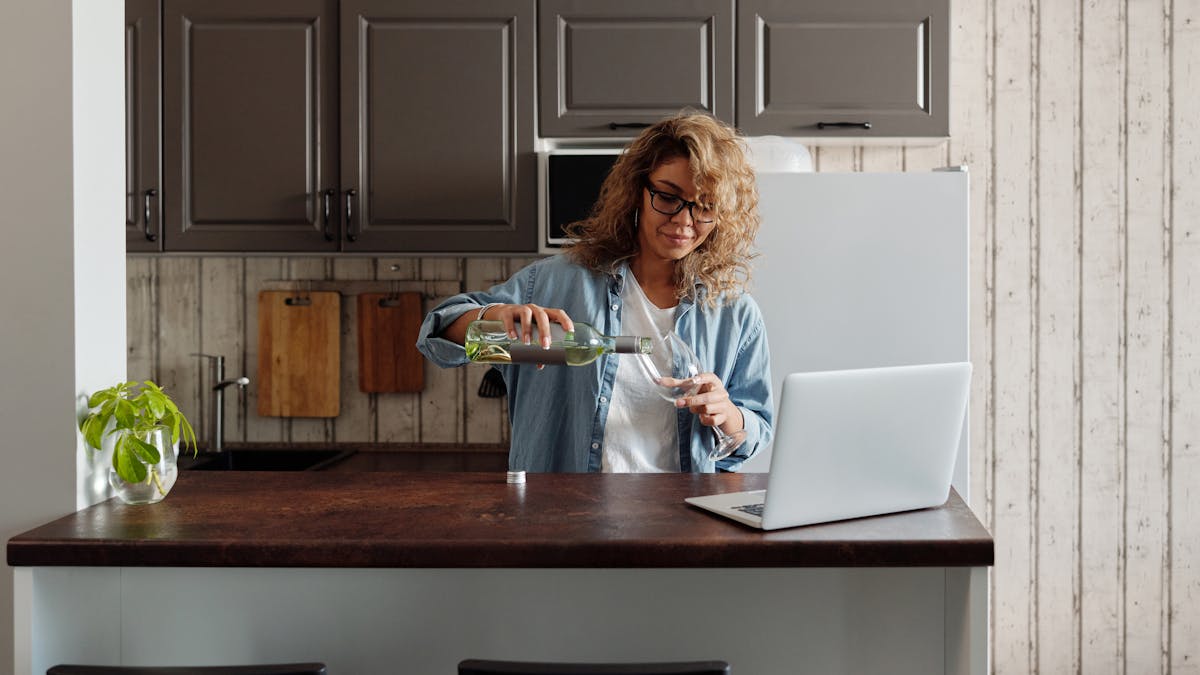
Many Irish parents believe they're being sophisticated. Responsible, even. A glass of wine at dinner, supervised. A beer at a family occasion. Removing the mystery. Teaching moderation.
This approach has a name. It's called the continental model. And the evidence against it is now overwhelming.
Children who are permitted to drink at home on special occasions continue drinking as teenagers, whether at home or at a friend's house. The supervised introduction doesn't create boundaries. It removes them. What parents intend as controlled exposure, children interpret as permission.
A study in the Drug & Alcohol Dependence journal found something that should give every well-meaning parent pause: children were more likely to drink if they lived with parents who consumed alcohol, but they were also less likely to drink if they were explicitly prohibited from joining in. Parental influence cuts both ways. It can enable or it can prevent. The variable isn't whether you drink. It's whether you let your child drink with you.
Fifty percent gave up
Half of Irish parents surveyed by the HSE said there was nothing they could do to prevent their children drinking underage. Half the parents in the country looked at the problem and decided they were powerless.
This is the most damaging belief in the entire conversation. Not because it reflects reality, but because it becomes self-fulfilling. A parent who believes they have no influence stops trying to exert influence. The child reads this as indifference. Or permission. The outcome is predictable.
What the evidence actually supports
The research is consistent. Not ambiguous. Not "on the one hand." Consistent.
Children who see a parent drunk are twice as likely to get drunk themselves. Children who are prohibited from drinking at home are less likely to drink elsewhere. Children whose parents set clear, explicit rules about alcohol consume less of it.
None of this requires perfection. It doesn't mean never drinking in front of your child. It means being deliberate about the signals you send. A parent who has a glass of wine at dinner and a parent who has a bottle are sending different messages. A parent who says "not until you're eighteen" and means it is sending a different message than one who says "just this once" at every family gathering.
The uncomfortable truth
Parents don't like hearing that they're the biggest factor in their child's drinking. It's easier to blame peers, or marketing, or the culture, or the sheer inevitability of Irish teenagers finding alcohol. And all of those things do play a role.
But the research keeps pointing in the same direction. The most powerful influence on whether an Irish teenager drinks is what happens inside their own home. The rules that are set. The rules that are enforced. The behaviour that's modelled every Friday evening and every bank holiday weekend.
That's not a comfortable conclusion. But it's a useful one. Because unlike advertising regulations or peer group dynamics, what happens in your own kitchen is something you can actually control.