The numbers that should stop you
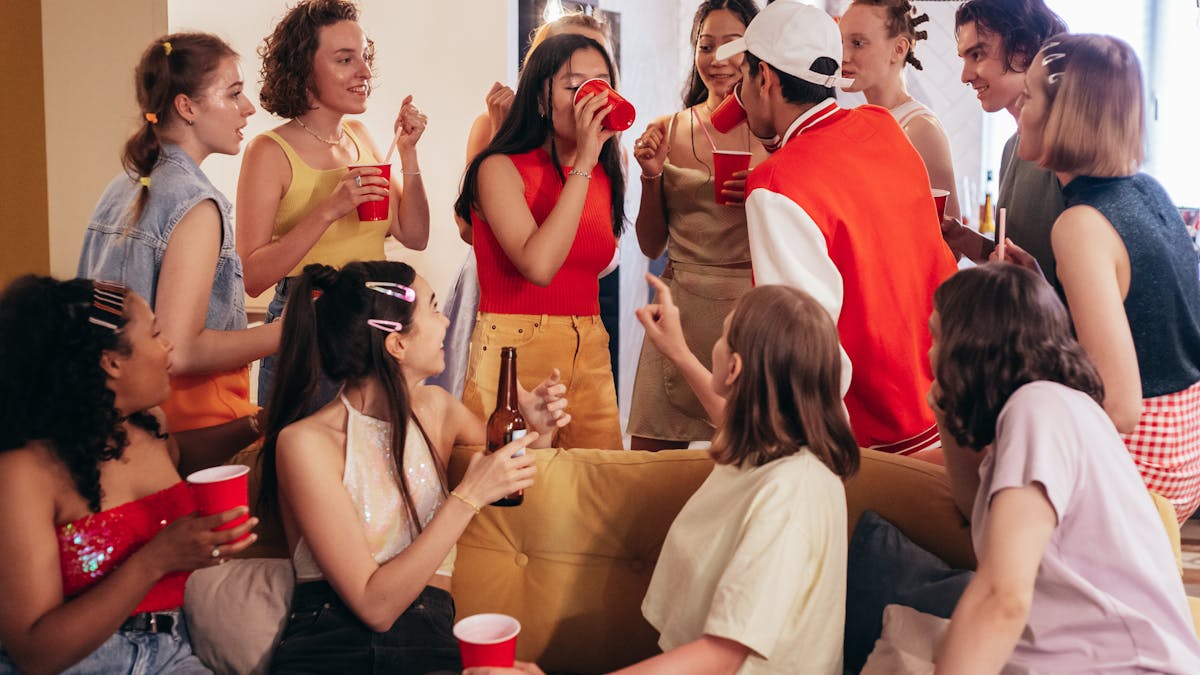
Twenty-four percent of Year 6 pupils in Ireland admit to binge drinking on a weekly basis. That's according to University College Dublin. One in four. Not sipping wine at Christmas dinner. Binge drinking. Weekly.
Sixteen percent of children below Leaving Cert age have admitted to hurting themselves or someone else while under the influence. These aren't adults making bad decisions. These are children.
The first sip matters more than you think
Most Irish kids have their first drink between the ages of 12 and 13. Plenty of parents shrug this off. A sip of beer at a family barbecue, a taste of champagne at New Year's. Harmless, right?
The physical harm from a tiny sip is negligible. But here's what the research actually says: children struggle to tell the difference between light drinking and heavy drinking. They don't have the framework to understand dose, risk, or consequence. A sip at twelve normalises the substance. It doesn't teach moderation. It teaches that alcohol is something adults do, and therefore something worth doing.
Research from Harvard Medical School found that underage drinking increases the risk of violent behaviour, attempted suicide, and risk-taking including unprotected sex. Not "may increase." Increases.
The home experiment that backfired
Irish law is clear on one thing: under 18s cannot consume alcohol in a pub, restaurant, or any public place. But there's no law covering drinking at a private residence. This gap has created a widespread parental theory: let them drink at home, supervised, and they'll learn to handle it. The continental approach. Wine with dinner. Remove the mystery.
Paul Conlon, CEO of addiction organisation Aiseiri, puts it bluntly. Parents and adults may be unwittingly leading young people into problematic drinking and addiction risk because of our acceptance of alcohol as part of the family.
The data backs him up. Ian O'Sullivan and Eimear Murphy, two students from County Cork, won the 51st BT Young Scientist & Technology Exhibition with a study on hazardous drinking in teenagers. Their finding: children allowed to drink at home on special occasions were three times more likely to become dangerous underage drinkers than children who were not allowed to drink at all.
Three times. Not slightly more likely. Three times.
The Institute of Alcohol Studies has replicated these findings. Children who drink at home, even supervised, face a greater risk of developing alcohol-related problems later in life. The continental model that Irish parents love to reference? It doesn't work the way we think it does.
The good news (yes, there is some)
Ireland's reputation for underage drinking is worse than the reality. Looking at 11-year-olds who drink at least once per week, Ireland sits near the bottom of European rankings. Just 2 percent of pre-teens regularly consume alcohol. Only Norway, Iceland, Germany, and Portugal report better figures, according to the World Health Organisation.
Central and Eastern European countries rank significantly higher. And the trend line is moving in the right direction: Irish teens are drinking considerably less than they were ten years ago.
So the picture isn't all bleak. But "better than Romania" is a low bar, and the binge drinking figures for older teens remain stubborn.
The parental shrug
Half of all parents surveyed by the Health Service Executive said there was nothing they could do to prevent or minimise underage drinking. Fifty percent. Threw their hands up entirely.
This might be the most dangerous statistic of all. Not because it's true, but because it isn't. Studies show that children who witness a parent behaving drunk are twice as likely to get drunk themselves. Which means the reverse also holds: parents who model responsible behaviour directly influence their children's choices.
The idea that underage drinking is inevitable, that it's baked into Irish culture and there's nothing to be done, is a story we tell ourselves. It's a comfortable story. It lets everyone off the hook. But the research says it's wrong.
What actually works
Not lectures. Not scare tactics. Not pretending alcohol doesn't exist.
What works is behaviour. Children watch what their parents do far more closely than they listen to what parents say. A parent who drinks moderately, who doesn't treat alcohol as the centrepiece of every social occasion, who sets clear rules about underage consumption, that parent has a measurable impact on outcomes.
The gap between "there's nothing I can do" and "my behaviour directly shapes my child's relationship with alcohol" is where the real work happens. It's not glamorous. It doesn't make for a good anecdote at the school gate. But it's what the evidence actually supports.