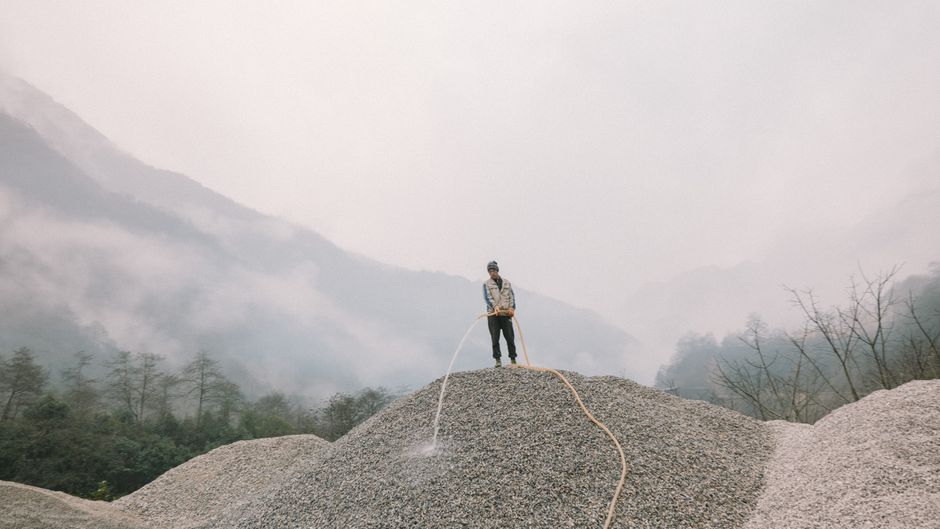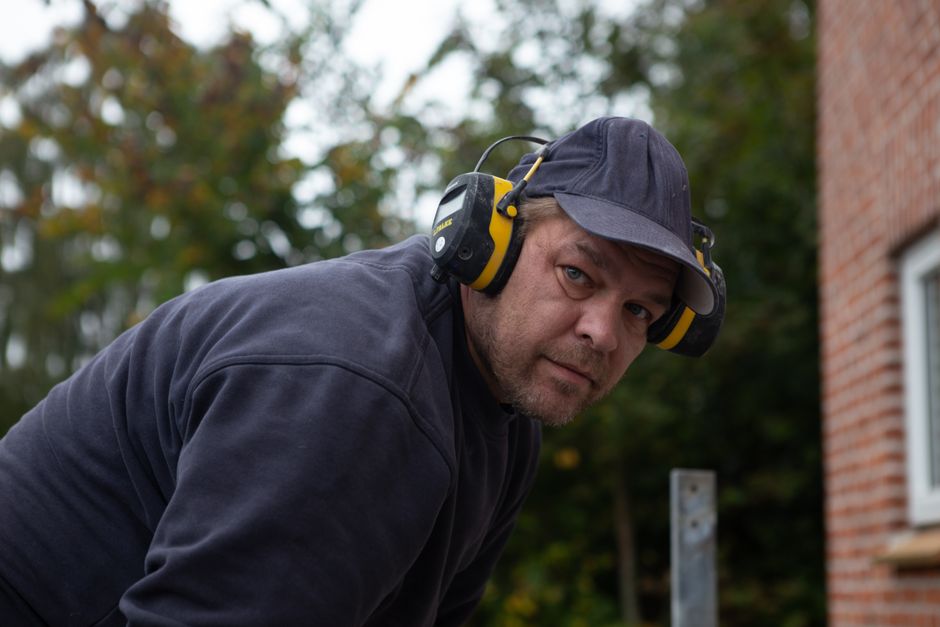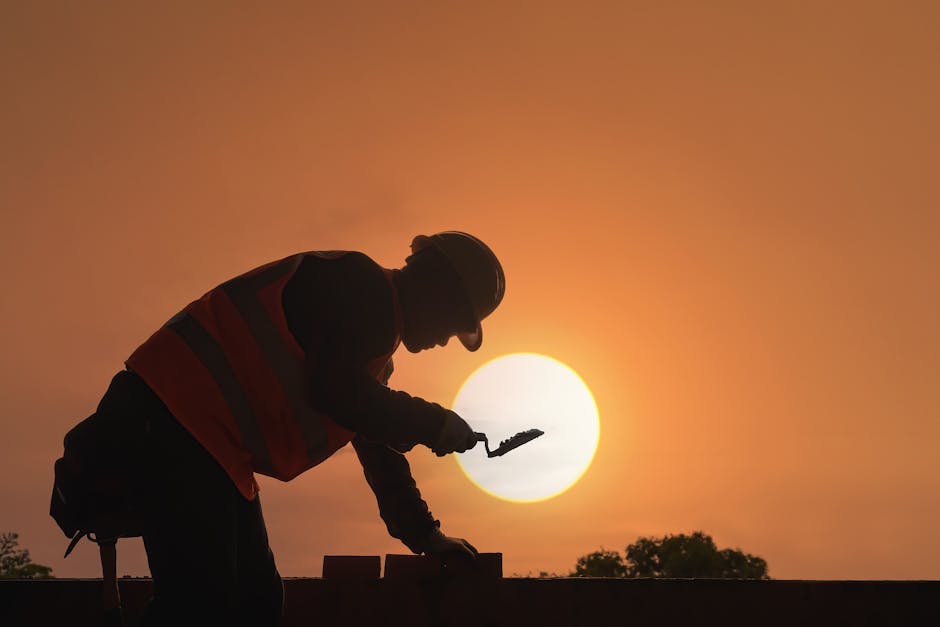
Skin cancer is the most common cancer in Ireland. Construction workers, groundskeepers, farmers, road crews and utilities staff are outside for eight hours a day, often for decades. The connection is not complicated, yet most workplaces treat sunscreen as a personal lifestyle choice rather than a control measure.
The HSA has run sun safety campaigns for years. The messaging is solid. The uptake at site level is, to put it generously, inconsistent. Workers who would never skip a hard hat are spending full summers in direct UV exposure with no SPF, no shade breaks, and no employer who has thought about it past sticking a poster in the canteen. That gap between campaign and culture is where the cancer risk lives.
Why Ireland's UV Risk Gets Underestimated
People hear "Irish weather" and assume UV is not really a problem. Wrong. UV radiation reaches dangerous levels in Ireland from April through September, and cloud cover does not block it reliably. You can burn on an overcast July day in Roscommon. The UV Index regularly hits 7 or above during summer months, which is classified as high risk. At that level, unprotected skin can start to damage in under 20 minutes.
Outdoor workers are not getting one or two exposures. They are accumulating UV damage across careers that can span 30 or 40 years. Melanoma does not announce itself at the time of the damage. It shows up later, sometimes much later, which is exactly why workplaces underestimate the risk. There is no immediate incident to log.
What Employers Are Actually Required to Do
The Safety, Health and Welfare at Work Act 2005 requires employers to identify hazards, assess risks and put controls in place. UV radiation is a physical hazard. It belongs in your risk assessment the same way noise or vibration does. Treating it as optional is a compliance failure, not a cultural preference.
The hierarchy of controls applies here like it does everywhere else. Eliminate where possible, substitute where you can, then administrative controls, then PPE. For UV that means:
Scheduling work so the most exposed tasks avoid the 11am to 3pm window when UV is strongest. This is an administrative control that costs nothing except planning.
Shade structures at rest and break areas. Not a tree if you can avoid it. A proper covered area so workers are not sitting in direct sun on their lunch break.
Clothing as the first line of defence. Long sleeves and a hat with a brim are more reliable than sunscreen because they do not wear off, get sweated through, or get forgotten. UPF-rated workwear exists and it is not expensive.
SPF 30 or higher on all exposed skin, reapplied every two hours. Not once in the morning. Every two hours. This needs to be employer-provided, on site, accessible. If workers have to supply their own, most will not.
Sunglasses with UV400 protection. Eye damage from UV, including cataracts and corneal damage, is a real occupational risk that barely gets mentioned.
Where Sites Go Wrong
The most common failure is treating this as an awareness issue rather than a systems issue. You cannot fix a physical hazard with a poster. You need to build protection into the work pattern the same way you build in PPE checks or toolbox talks.
Sites also tend to roll this out in June and pack it away in August. UV risk runs from April to September. A worker who starts every morning at 7am on a south-facing roof in May is accumulating damage long before the "sun safety campaign" kicks off.
Protecting outdoor workers year-round is exactly what the title says. Year-round. Not a summer event.
The other failure is not connecting sun safety to your health surveillance programme. Workers with fair skin, a family history of skin cancer, or decades of outdoor exposure should be getting regular skin checks. Some employers in the landscaping and horticultural sectors are starting to build this in, and it is the right move. Garden and groundswork employers who have looked at this seriously have a template worth following.
What a Toolbox Talk on This Should Actually Cover
Not "remember to wear sunscreen, lads." That is not a toolbox talk, that is a footnote.
A proper toolbox talk on UV covers: what UV Index means and how to check it, how long unprotected skin takes to burn at different UV levels, how to apply SPF correctly and why reapplication matters, what early signs of skin change to watch for, and who to report concerns to. It takes twelve minutes. It should happen at the start of the season and again mid-summer.
Workers who understand the actual mechanism, cumulative DNA damage that the body cannot always repair, are far more likely to take it seriously than workers who have been told sun is bad and here is some cream.
The Recordkeeping Problem
Occupational skin cancer is chronically under-reported as a work-related disease in Ireland. The latency between exposure and diagnosis is long enough that the link to work often gets missed or ignored. That means the true burden is higher than the figures suggest, and it means employers are not feeling the regulatory or financial pressure that would normally drive action.
This will change. As surveillance improves and the evidence base on cumulative occupational UV exposure strengthens, expect more scrutiny. The sectors that have done nothing will find that a long history of non-compliance is not a defence.
The Bottom Line
Outdoor work in Irish sun is a carcinogenic exposure. Not a perk, not a minor inconvenience, a documented cancer risk that builds across a career. Employers have a legal duty to control it, the tools to do so are cheap and available, and the failure rate is embarrassing.
Get it into the risk assessment. Build it into the work schedule. Provide the sunscreen. Then check that workers are actually using it.