Getting fined twice in twelve months for the same type of injury tells you everything you need to know. Not about unlucky timing. About a system that never actually changed.
When a packaging manufacturer in the food sector picks up a second prosecution for a crush injury at a piece of unguarded machinery, the instinct is to ask what went wrong the second time. The better question is what was never fixed after the first.
The Repeat Fine Pattern
Regulatory bodies track repeat offenders. The HSA in Ireland and the HSE in Britain both flag companies where the same hazard category produces a second notifiable incident within a short window. Fines escalate. Court attention sharpens. Directors who might have stayed out of the dock the first time around find themselves personally named the second time. The legal system interprets repetition as evidence of recklessness, not misfortune. That distinction costs real money and sometimes real liberty.
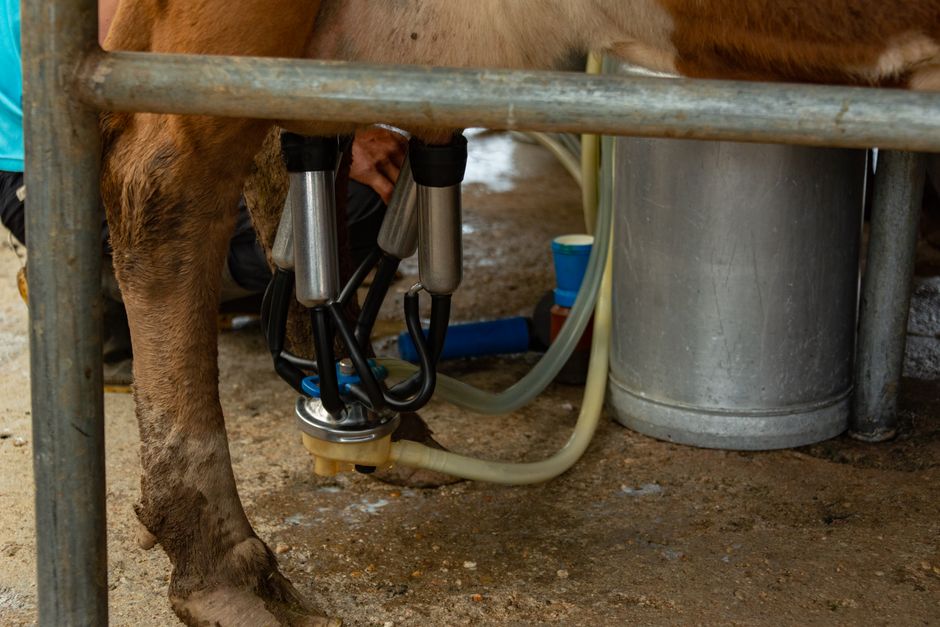
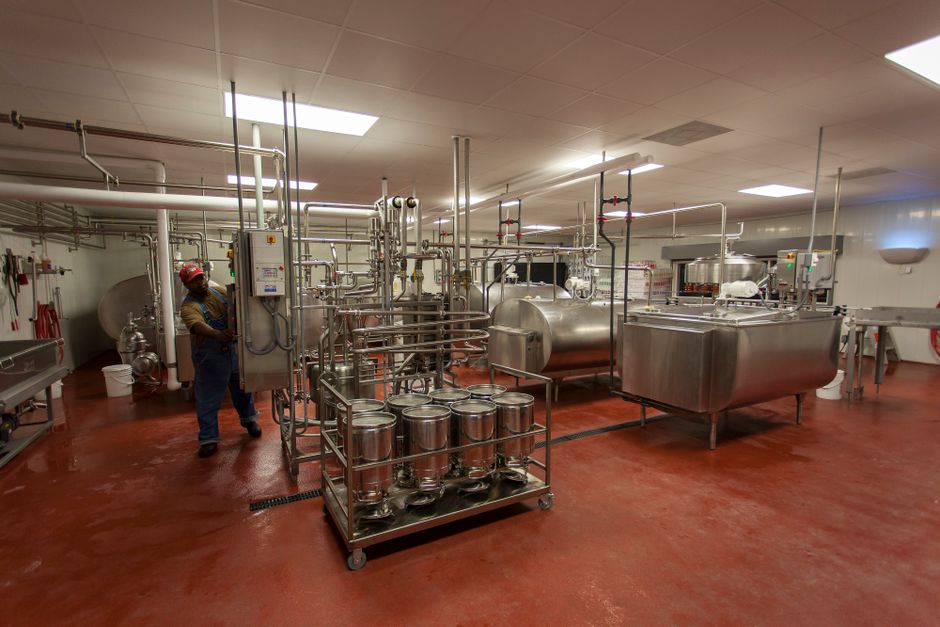
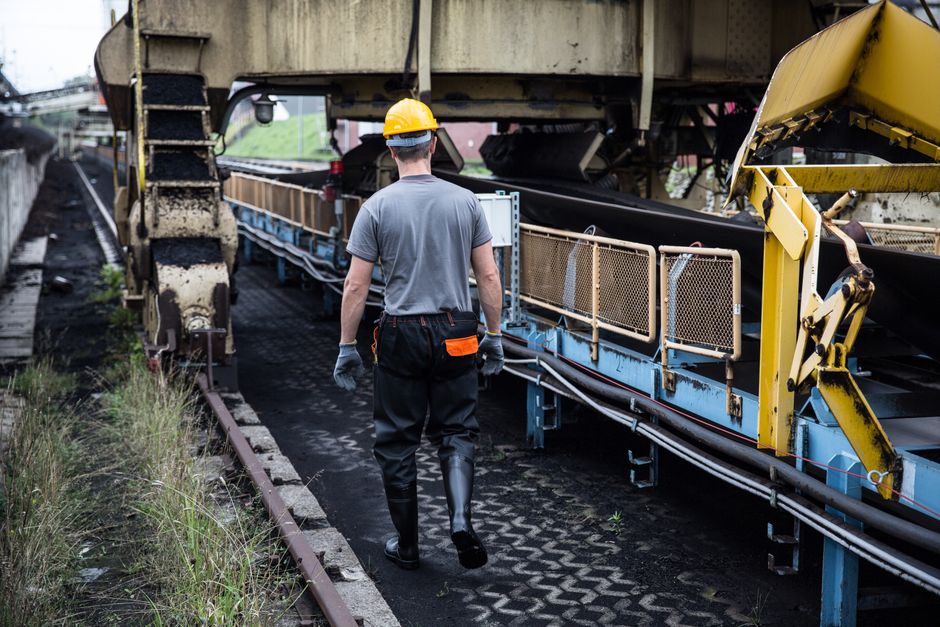
Food and packaging manufacturing sits in a particularly exposed position. Production floors run under pressure. Line speeds creep up. Guards get removed for cleaning and not replaced before the next shift starts. Nip points on conveyors, rollers, and wrapping equipment are well documented as injury sources. Conveyor belt tragedies in food processing are not exotic or unpredictable. They follow a pattern that any competent site audit should catch. The fact that they keep happening, and keep happening twice at the same site, is not a training problem. It is a governance problem.
What Actually Fails Between Incident One and Incident Two
After the first incident, the typical response looks like this. An internal investigation gets written. A toolbox talk gets delivered. Someone updates a risk assessment document. The corrective action log shows a closed item. Everyone moves on.
None of that touches the system.
The guard that was missing when the hand went in was missing because removing it was the path of least resistance during changeovers. That path still exists. The line speed that left no margin for a worker to react is still set at the same point. The supervision ratio that meant nobody noticed the guard was off still applies on night shift. The culture that made it feel normal to skip the lockout procedure because it takes four minutes and the supervisor wants the line back up in two is still the culture.
A toolbox talk does not change any of those things. It creates a paper trail that suggests the company responded. Courts are increasingly unimpressed by paper trails that produced a second hospitalisation.
The Machinery Regulations Are Not Complicated
The Safety, Health and Welfare at Work (General Application) Regulations 2007 and their subsequent amendments are explicit about work equipment. Guards must be fixed where possible. Where they need to be removable for maintenance or cleaning, interlocking systems must prevent the machine from operating with the guard absent. This is not a grey area.
When machinery maims, interlocking guards are not optional. They are the minimum required standard. A manufacturing site that has suffered one crush injury and has not audited every piece of relevant equipment against that standard before restarting production has not actually responded to the incident. It has responded to the paperwork.
The practical checklist after a crush injury is concrete. Every piece of machinery in the same category as the incident machine needs a physical inspection, not a document review. Guards present, intact, and functioning. Interlocks tested, not assumed. Lockout and tagout procedures verified against what workers actually do, not what the procedure card says they should do. Line speeds reviewed against safe working loads. Maintenance logs checked for any record of guards being removed and the timestamp for when they were replaced.
Why Training Alone Never Works
There is a persistent belief in manufacturing management that safety failures are attributable to workers not knowing or not caring. The training budget goes up after an incident. Refreshers get scheduled. Sometimes a consultant comes in to deliver a day's worth of content that everyone forgets by Thursday.
Workers at food packaging lines generally know the machine is dangerous. They have seen it happen to someone. The reason they do not follow the procedure is rarely ignorance. It is because the system around them makes the correct procedure slower, harder, or socially awkward. If stopping the line to replace a guard triggers a conversation with a supervisor who has been told to hit output targets, the worker is getting a very clear message about which behaviour the organisation actually rewards.
Training cannot fix that. Only management accountability and redesigned work processes can fix that.
Finger loss incidents keep repeating across Irish industry precisely because the response stays at the worker level when the failure is at the system level. The machinery is still the same. The pressure is still the same. A different hand goes in.
What a Real Systemic Fix Looks Like
It starts with the physical environment. Permanently fix every guard that does not need to be removed. Install interlocked guarding on every access point to dangerous parts. Do not rely on procedure to keep people safe when engineering can do it instead.
Then address the process. Changeover and cleaning procedures need to be redesigned so that the safe method is also the fast method, or at least not significantly slower. If the lockout procedure genuinely takes four minutes longer than skipping it, either the procedure needs redesigning or the line schedule needs to accommodate it. One of those two things has to give.
Then address accountability. Supervisors whose teams have consistent near-miss reporting and full guard compliance should be recognised for that. Supervisors who hit output targets by quietly allowing shortcuts should face consequences before an injury, not after. If the management system only responds to incidents rather than leading indicators, it will keep waiting for incidents to tell it what is wrong.
Finally, verify. An internal audit signed off by someone who reports to the production manager is not independent verification. An external machinery safety audit, or at minimum a cross-functional internal audit with someone from outside the production team, is the minimum credible check.
The Second Fine Is the One That Changes Companies
The pattern is depressingly consistent. A first fine prompts paperwork. A second fine prompts restructuring. Directors start attending safety meetings they previously delegated. Capital is suddenly available for guarding upgrades that were not in last year's budget. The systemic fixes that should have followed incident one happen after incident two.
The cost of waiting is measured in more than money. Someone's hand, or more, is the currency paid between fine one and fine two.
If your site has had a crush injury in the last three years and your response stayed at the level of training and documentation, the audit you need is not a document review. It is a physical walkthrough of every machine that can trap, catch, or compress a person, followed by engineering controls that do not depend on anyone making the right choice under pressure.
The second fine is not the warning. The first injury was.