A worker loses a finger every time a guard is missing, a procedure gets skipped, or a supervisor decides the job needs to move faster. That sentence is not a metaphor. It is the pattern that appears in HSA prosecution records, year after year, across farms, factories, and construction sites.
The incidents are not random. They cluster. The same failures show up in timber yards, food processing plants, agri-contractors, and metal fabrication shops. A PTO shaft without a guard. An auger with a bent cover that nobody fixed. A roller press with an interlock that was tied back because it slowed production. You read one incident report and you feel like you have read them all, because in the important ways, you have.
What makes this frustrating is that the engineering solutions exist. They are not expensive relative to the cost of a prosecution, a civil claim, or a person spending the rest of their life with eight fingers. The problem is not ignorance of the solutions. The problem is the gap between knowing and doing, and that gap is almost always filled with pressure, habit, and poor communication.
The Three Root Causes That Keep Appearing
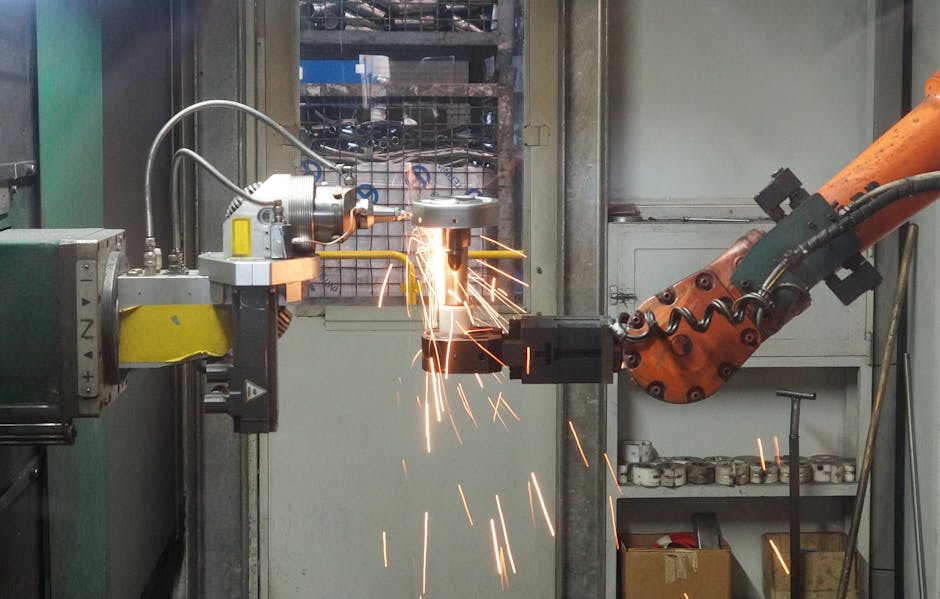
Missing or defeated guarding is the most common physical factor. Under the Safety, Health and Welfare at Work (General Application) Regulations 2007, employers must ensure dangerous parts of machinery are guarded to prevent contact. The regulation is clear. The enforcement record shows it is routinely ignored. Guards get removed for cleaning or maintenance and never replaced. They get bent or broken and left that way. In some cases they are deliberately defeated because they interfere with throughput. The logic is always the same: nothing went wrong yet, so it is probably fine.
Rushed or informal procedures come second. Safe systems of work exist on paper in a lot of workplaces. They do not always exist in practice. Workers who have done a job a hundred times start compressing steps. Lockout and tagout procedures get skipped because the machine "only needs a second" to clear a blockage. Tasks that require two people get done by one because the other person is busy. The danger zone on a machine does not care about your schedule.
Communication breakdown is the third factor, and the least visible. A worker on a temporary contract does not get the same induction as a permanent employee. A seasonal operator on a farm gets shown how to start a machine but not how to stop it safely in an emergency. A language barrier means a critical instruction about a guarding procedure does not land. When the site plan fails and communication breaks down, the machine does not compensate. It just keeps turning.
What the HSA Prosecution Record Actually Shows
The HSA has prosecuted employers for machinery-related amputations where the fine ultimately reached six figures when you factor in legal costs, compensation, and ancillary penalties. The underlying failures in those cases are almost always a combination of the three factors above, not one in isolation.
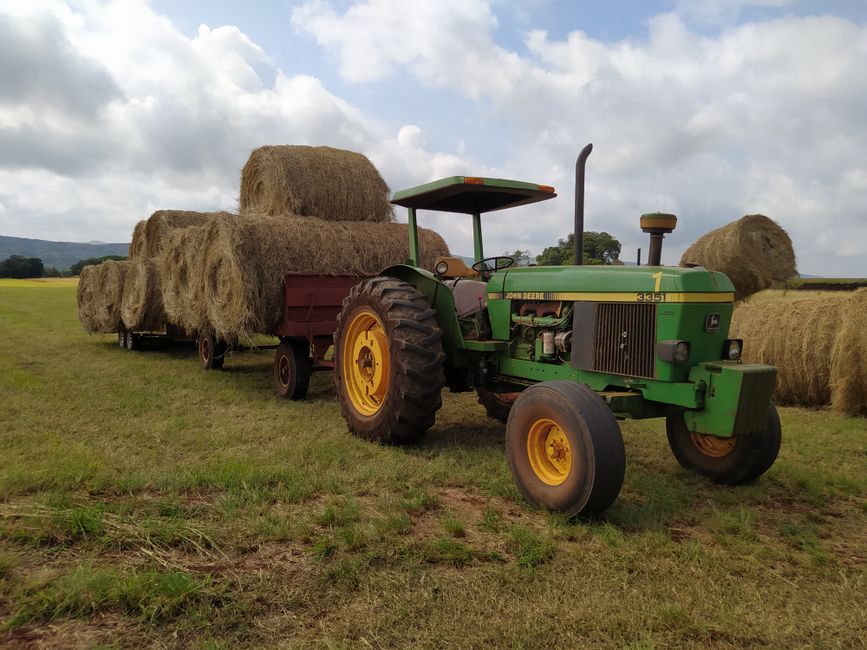
The sectors with the highest frequency are agriculture, food processing, woodworking, and construction plant operations. Farm machinery accounts for a disproportionate share of Ireland's serious injury statistics. PTOs, augers, bale wrappers, and silage equipment have specific guarding requirements that are frequently found non-compliant on inspection. The HSA's inspection campaigns consistently find the same deficiencies at the same types of operations. That is not bad luck. That is a system that is not learning.
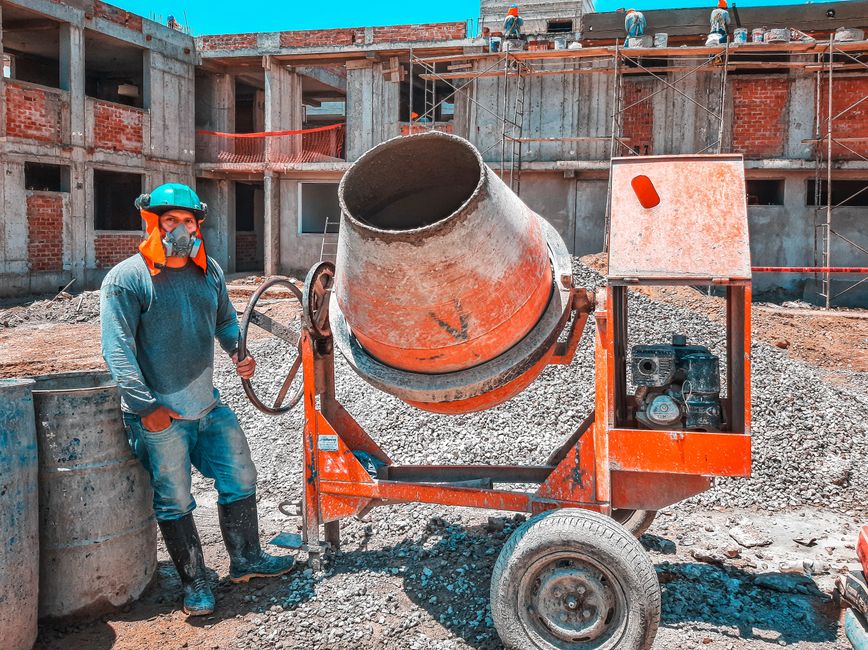
In construction, the risk profile shifts toward concrete mixers, angle grinders used without guarding, and plant machinery where operators enter danger zones during operation. The construction sector has made real progress on falls from height, but machinery-related hand and finger injuries have not seen the same reduction.
What Prevention Actually Looks Like
Guard every dangerous part, every day. This means a pre-use check is a real check, not a formality. If a guard is missing, damaged, or defeated, the machine does not run until it is fixed. That rule needs to be written, communicated, and enforced by supervisors who have the authority and expectation to stop work.
Write lockout and tagout procedures and train people to use them. Lockout/tagout is the single most effective intervention for preventing contact injuries during maintenance, cleaning, and blockage clearing. The procedure needs to be specific to each machine, posted at the point of use, and practised until it is habit. A laminated A4 sheet in a filing cabinet does not count.
Audit your guarding monthly, not annually. A lot of guarding failures develop over time. A guard gets bent slightly and nobody fixes it. A fastener goes missing and is not replaced. A monthly physical check of guarding on high-risk machines catches degradation before it becomes an incident. Assign the check to a named person. Record it. Review it.
Induct every operator, including temporary and seasonal workers. The risk does not reduce because someone is new to the site. It increases. A proper induction covers the specific machines that person will use, the danger zones on those machines, and what to do if something goes wrong. It is done before the person starts work, not on the second day when things are busy.
Review your first aid provision for hand injuries before an incident happens. Amputations require specific first aid responses, and the standard workplace kit is often inadequate. Knowing what to do in the first three minutes after a serious hand injury can affect whether a digit can be reattached.
Create a reporting culture for near misses. A glove caught in a roller is a near miss. A hand caught in a roller is an amputation. The physics are identical. The difference is timing. Workplaces that investigate near misses and fix the underlying cause stop incidents before they happen. Workplaces that do not investigate near misses just wait.
The Argument That Does Not Hold Up
The most common objection to proper guarding and procedure enforcement is that it slows production. It does, marginally, in the short term. An amputation stops production completely. It triggers an HSA investigation, a mandatory reporting process, a likely prohibition notice, and a prosecution process that can run for two years. It destroys the affected worker's capacity to do physical work. It costs far more than any efficiency gain from skipping a guard check ever could.
The regulation is not the enemy of productivity. The failure to follow it is.
Stop treating machinery safety as a compliance exercise done once a year for an audit. The machine does not know what day the inspector is coming. It just keeps turning.