A worker reaches across a steaming vat. A pipe joint fails. A lid comes off the wrong way. Seconds later, someone is on the floor with partial-thickness burns across their forearm, and a manufacturer is looking at a six-figure penalty it could have avoided for the price of a pipe guard.
Scalding is one of the most consistent injury types in food manufacturing and professional kitchens. It keeps happening not because it is complex to prevent, but because the prevention hierarchy gets ignored in favour of a laminated poster and a five-minute induction. The engineering fixes are well understood. The training gaps are visible to anyone who spends an hour on a production floor. And yet scalding incidents in food manufacturing follow a pattern that repeats itself across site after site, year after year.
The burns are real. The fines are real. The excuses are not good enough.
What Actually Causes a Scalding Incident
There are three failure modes. They usually appear together.
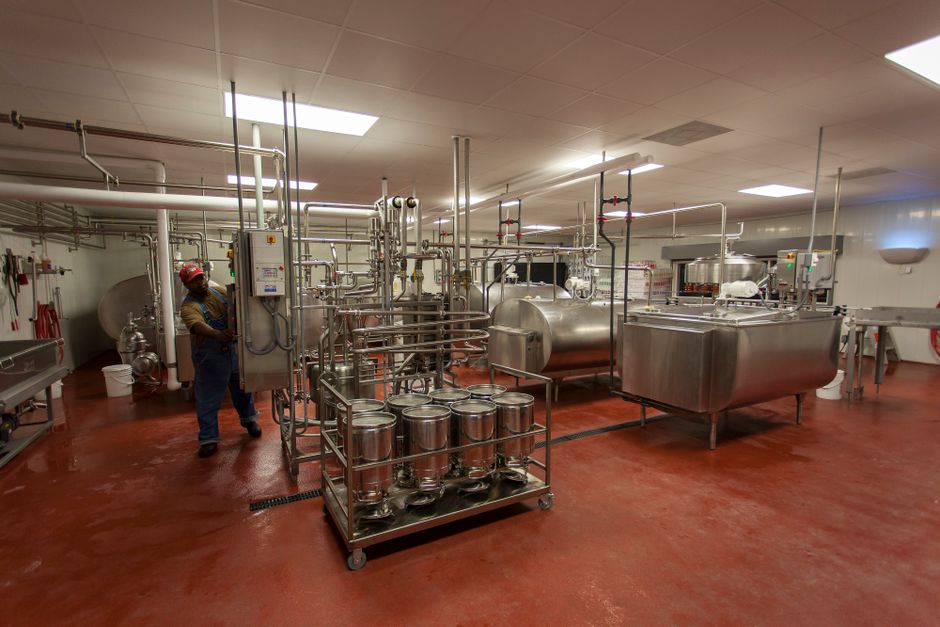
The first is exposed thermal hazard with no physical barrier. Steam lines without lagging, open kettles at chest height, valves that vent directly into a work zone. These are engineering decisions, or more accurately, the absence of engineering decisions. A steam pipe running through a walkway without insulation or a guard is not a maintenance issue. It is a design failure.
The second is process pressure on workers. In high-volume kitchens and food plants, speed is the real supervisor. A worker who has been told to clear a blockage fast, to top up a cooking vessel mid-cycle, or to move product before a tank has cooled is a worker being pushed toward contact with a thermal hazard. The task design creates the exposure.
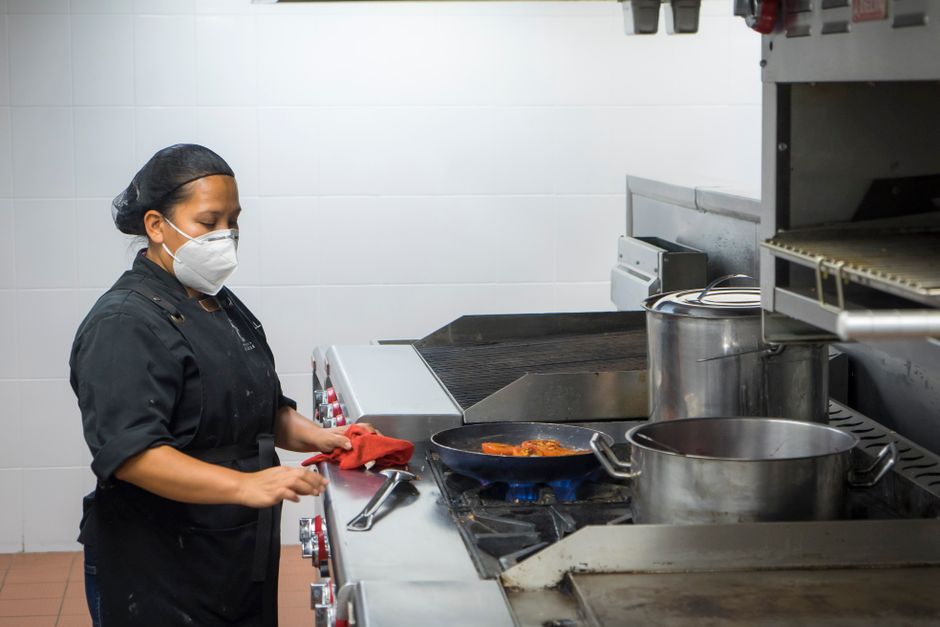
The third is inadequate PPE selection. Heat-resistant gloves that cover the wrist but not the forearm. Aprons that do not extend to mid-thigh. Standard gloves handed to a worker who is handling liquids at 90 degrees Celsius. PPE selected to tick a box, not to match the actual temperature and splatter profile of the task.
The Engineering Controls That Actually Work
Training does not stop steam burns. Engineering does.
Pipe insulation and lagging is the first line. Any steam pipe, hot water line, or process pipe carrying fluid above 60 degrees Celsius that workers can contact must be lagged. Not most of them. All of them. The threshold for skin damage at 60 degrees is under 10 seconds of contact. At 80 degrees, it is under one second.
Physical barriers and guards around open vessels are non-negotiable in any proper thermal risk assessment. Fixed guards on kettles, splash guards on vat edges, interlocked covers on pressure cookers. If a worker cannot accidentally contact the hot surface or liquid during normal task execution, the burn does not happen.
Thermostatic mixing valves and temperature controls on process lines prevent the temperature excursions that turn a routine task into an emergency. A vessel that should be at 70 degrees but runs to 95 because nobody calibrated the thermostat last quarter is a scald waiting to be reported.
Defined cool-down procedures with physical lockout are the piece most sites skip. A tank is hot. The process says wait 20 minutes. But production is behind, a supervisor is pressing, and the worker opens the lid at 15 minutes. Without a physical interlock or a locked cool-down protocol that requires a key or a second sign-off, the procedure exists only on paper.
The Training Gap Nobody Wants to Admit
Here is what passes for thermal hazard training in a lot of commercial kitchens and food plants: a verbal mention during induction that some things are hot, and a pointing gesture toward the PPE locker.
That is not training. That is liability transfer.
Effective thermal hazard training does four specific things.
It identifies the actual hazard points on the actual equipment the worker will use. Not a generic list of hot things. The specific valve, the specific steam outlet, the specific kettle lip that has caused near-misses in the past.
It covers the failure modes. What does a failing pipe joint look like? What sound does a pressure build-up make before it vents? Workers who can read the early warning signs have a chance to move before contact happens.
It gives workers explicit permission to stop the task. This is the one that organisations consistently get wrong. A worker who knows the tank is too hot but has no authority to stop and wait, and no process for escalating without feeling like they are causing a problem, will often proceed. The training needs to include the words: you are authorised to refuse this task if the thermal conditions are unsafe.
It covers correct PPE use for the specific task, not generic PPE awareness. Showing someone a heat-resistant glove is not the same as demonstrating how to put it on correctly, how far up the arm it should sit for a specific pour task, and how often it needs inspection.
What the Fines Are Actually Telling You
When a food manufacturer receives a penalty in the six-figure range for a worker scalding incident, the investigation almost always finds the same things. No adequate risk assessment for the specific task. No engineering controls beyond what came with the original equipment installation. Training records that show completion but no evidence of content. And a near-miss history that was never acted on.
Food processing safety failures that lead to prosecutions share a common thread: the hazard was known, the control was not implemented, and someone paid the price before the employer did.
The fine is the last thing that happens. The scald is the first.
A Practical Thermal Hazard Checklist
Run through this for any food production or commercial kitchen environment.
- Every pipe carrying fluid above 60 degrees Celsius: lagged and guarded where workers can contact it
- All open vessels at or above waist height: fixed splash guards fitted
- Cool-down procedures: physically enforced, not instruction-only
- PPE selection: matched to actual temperature and splash profile of each specific task, not generic heat resistance rating
- Near-miss log: reviewed monthly, with corrective action signed off by a manager
- Worker authority to stop: explicit, documented, and reinforced verbally by supervisors
- Equipment inspection: steam fittings, pressure valves, and thermostat calibration on a documented schedule
None of this is complicated. All of it requires a decision to do it.
The Turn
The food industry has the knowledge to prevent scalds almost entirely. The friction is not technical. It is the assumption that training is sufficient without engineering, that PPE replaces process design, and that near-misses are just lucky days rather than evidence that the failure sequence is already in motion.
Scalding does not require a perfect storm. It requires a hot surface, a task that puts a worker near it, and the absence of a control that would have kept them apart.
Fix the surface. Fix the task design. Then train the worker on what remains.