A tree surgeon drops from a branch. A groundworker stops moving beside a fence line. You are ten metres away and your instinct is to run straight to them. That instinct could kill you.
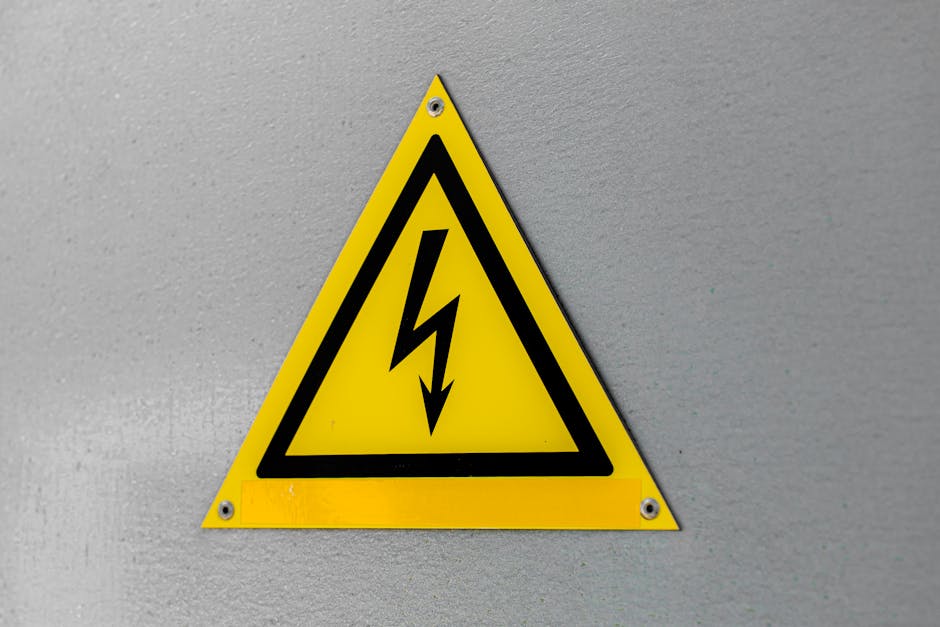
Electric shock casualties in outdoor settings create a specific, brutal problem: the casualty may still be in contact with a live source. Anyone who grabs them becomes the next casualty. This is not a rare edge case. It is the mechanism behind a significant number of electrocution fatalities recorded by the HSA over the past decade, and it is entirely preventable if the people on site know the protocol before the incident happens.
The reality for outdoor workers is that overhead power lines and tree work create proximity to live conductors that most other trades never face. A chainsaw nick, a branch contact, a thrown guide rope that lands across the wrong line. The entry point of current can be invisible. Burns on the surface tell you almost nothing about what happened internally. A person who looks conscious and relatively unharmed may have serious internal tissue damage and a heart rhythm that is about to deteriorate.
Step One: Do Not Touch Them
This instruction sounds obvious. It is ignored constantly under stress.
Before you move toward the casualty, you need to know the source is isolated. If they are still in contact with a live conductor, or if the conductor is within a few metres of them on wet ground, contact kills. Call out loudly to the casualty. Watch for chest movement. Do not approach until you are certain the supply is off or you have been told by ESB Networks that the line is dead.
Call 112 or 999 immediately. Give location first. Say there is a suspected electrocution. The dispatcher will tell you what to do while emergency services respond.
If you cannot confirm the source is isolated, the single safest action is to keep bystanders back and wait. That is not inaction. That is preventing a second casualty.
Isolating the Source
If the electricity supply is from a piece of equipment or a temporary site supply, locate the isolator and switch it off. Do not pull the casualty away from it first. Turn off the power, then approach.
For overhead lines, there is no field isolation option available to you. ESB Networks controls those. Call 112, confirm overhead line involvement, and wait. The emergency dispatcher coordinates with ESB in these situations. The response time is faster than most people expect.
If you are on a site with a supervisor responsible for electrical safety, that person should already know the isolation procedure for every supply on site. If they do not, that is a training and planning failure that needs addressing well before anyone gets hurt.
Once the Scene Is Safe
Approach the casualty. Check for responsiveness. Shout their name, tap their shoulders firmly.
If they are unresponsive and not breathing normally, start CPR immediately. Electric shock can cause the heart to stop or go into a rhythm that cannot sustain circulation. Ventricular fibrillation is the specific risk here, and it is time-sensitive. Every minute without defibrillation reduces survival odds significantly.
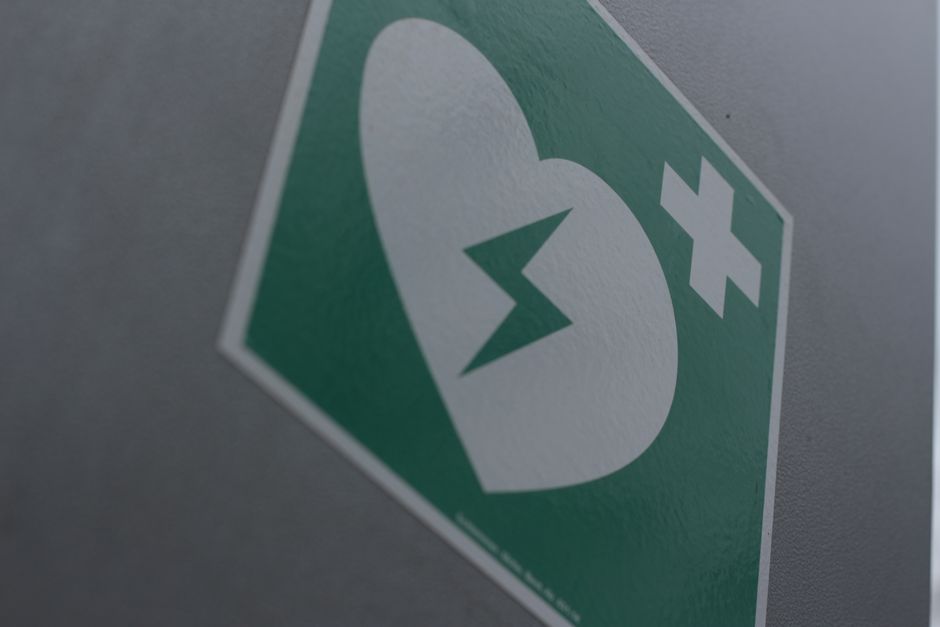
If there is an AED on site or within close reach, send someone for it the moment you start CPR. Do not stop compressions to get it yourself.
Compression rate: 100 to 120 per minute. Depth: at least 5cm for an adult. Full chest recoil between compressions. If you are trained in rescue breaths, 30 compressions to 2 breaths. If you are not trained or not comfortable, continuous chest compressions alone are effective.
If They Are Breathing and Responsive
Do not assume they are fine.
Electric current passing through the body causes damage that does not show on the surface. Internal burns along the current's path, cardiac arrhythmias that can develop minutes or hours after the initial shock, rhabdomyolysis from muscle destruction. Every person who has received a significant electric shock needs hospital assessment. No exceptions.
Keep them still. Keep them warm. Monitor their breathing and responsiveness continuously. Do not give them water or food. Do not leave them alone.
If they lose consciousness at any point, place them in the recovery position if they are breathing. If breathing stops, start CPR.
Entry and Exit Wounds
Electric current enters at one point and exits at another. There will often be burn marks at both sites. These burns look deceptively minor from the outside, like a small scorch mark. The real damage is the tissue between those two points.
Do not cover the burns with anything that sticks. Loose, non-fluffy material is fine if available. The burns themselves are not the immediate priority. Airway, breathing, and circulation come first.
The Psychological Reality
Watching a colleague take a shock is deeply distressing. The adrenaline response pushes people toward immediate physical action. Knowing in advance that the first step is to stop and assess rather than run in is what saves the second person on scene.
This is exactly why first aid training for outdoor workers needs scenario-based practice, not just classroom theory. Reading the steps once is not the same as having the sequence embedded through repetition. The severe bleeding response follows a similar logic: what feels like hesitation is often correct clinical sequencing.
What Goes in the Site Plan
Every outdoor team working near overhead lines or any electrical infrastructure needs a written emergency procedure specific to electrical incidents. It should name the nearest defibrillator, include ESB Networks emergency contact (1850 372 999), and confirm who is responsible for isolation at each work location.
Crew members should know this plan before they set foot on site. Not in a toolbox talk that nobody remembers. In a format they have rehearsed.
The plan does not prevent the incident. It determines whether one person gets hurt or two.
Know the source before you touch the casualty. Everything else follows from that.