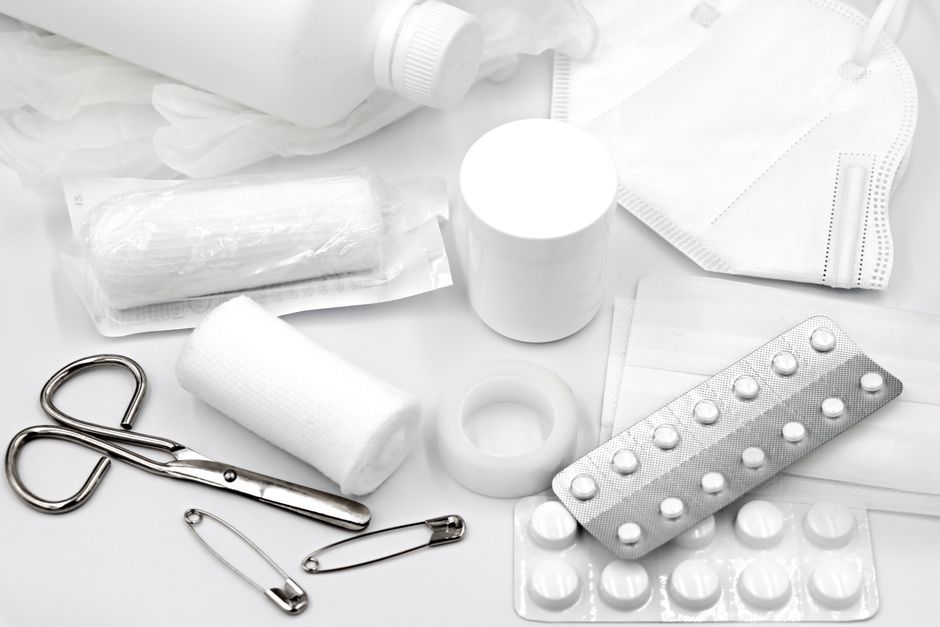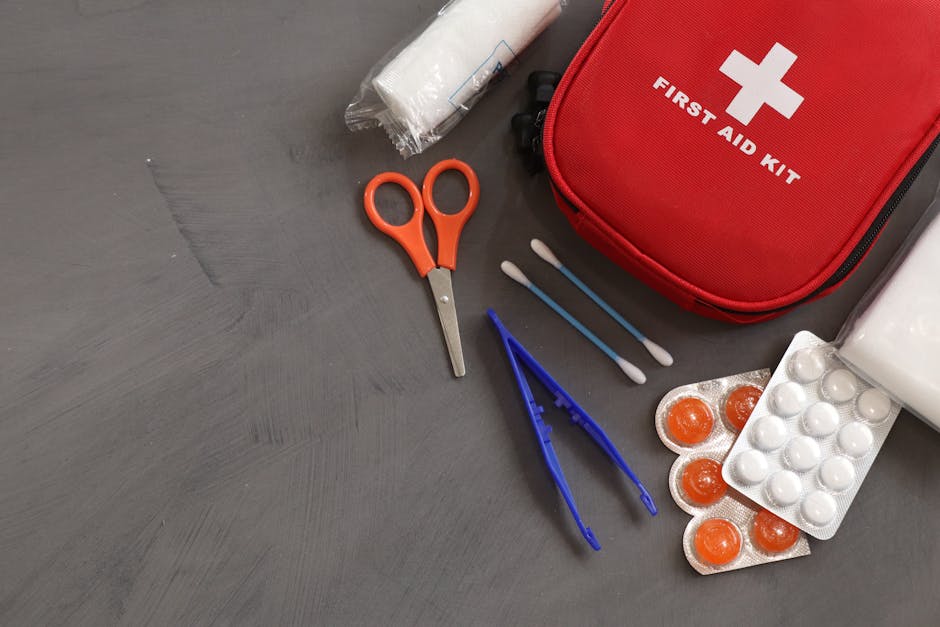
Open the first-aid kit in most Irish workplaces and you'll find plasters, a triangular bandage, and some out-of-date antiseptic wipes. That kit was designed for a different era, and it shows every time a worker loses part of a hand to a machine.
Hand injuries are the most common serious workplace injury in manufacturing, construction, agriculture, and food processing. The Health and Safety Authority records them year after year in the same sectors. Presses, slicers, grinders, conveyors, circular saws. The mechanism changes. The outcome is depressingly consistent. Soft tissue damage, degloving, partial or full amputation, and a first-aider standing over the casualty with a box of supplies that was never built for this.
The regulation says you need a first-aid kit. It does not say much about what specifically goes in one beyond the General Application Regulations 2007, which list broad categories rather than quantities suited to the actual risks on your site. So workplaces tick the compliance box and restock whatever the supplier ships. That is how you end up with forty plasters and no haemostatic dressing anywhere on the premises.
What a Serious Hand Injury Actually Looks Like
A laceration from a grinder does not behave like a kitchen knife cut. The wound is irregular, contaminated with metal particles, and bleeding fast. A crush injury from a press can destroy bone and soft tissue while leaving the skin partially intact, which means it looks less dramatic than it is. An amputation at the finger or hand level produces arterial bleeding that a standard dressing will not control.
The first three to five minutes after a machinery hand injury determine whether the worker keeps their hand. That is not an exaggeration. Severe bleeding will not wait for the ambulance, and most Irish workplaces are more than eight minutes from a hospital with a specialist hand surgery unit.
The Gaps in the Standard Kit
No haemostatic dressing. Gauze impregnated with a clotting agent, such as kaolin-based Combat Gauze or chitosan-based alternatives, can control bleeding from wounds that standard dressings cannot manage. They are widely available, not expensive, and absent from most workplace kits. Every site running machinery should have at least two.
No tourniquet. The word still makes safety officers nervous, as if applying one is a drastic last resort. It is not. For arterial bleeding from a hand or wrist, a properly applied tourniquet is the correct first response. A CAT tourniquet costs around twenty euro. Not having one because it feels extreme is a decision you make before the incident, not during it.
No trauma dressing. Also called a pressure dressing or Israeli bandage. These allow a single first-aider to apply and maintain firm, even pressure on a wound without holding it manually. They free up hands and maintain pressure better than improvised methods. Standard kits carry wound dressings that are smaller and less effective for significant trauma.
No clean container for amputated parts. If a fingertip or segment is recovered, it needs to go to hospital with the casualty in a way that gives surgeons a chance to reattach it. Wrap it in clean damp gauze, seal it in a plastic bag, and place that bag in cold water. Not ice. Not dry ice. Not someone's pocket. A sealed bag and a cold pack. Most kits have none of this.
No foil blanket. Trauma causes rapid heat loss. A casualty in shock loses body heat faster than you'd expect, even indoors. A foil blanket costs less than two euro and takes up almost no space.
What Your Risk Assessment Should Be Driving
If you run machinery with cutting, pressing, shearing, or grinding elements, your first-aid kit should be specified against that risk. This is not optional under Irish law. The General Application Regulations require that first-aid provision reflects the hazards identified in your risk assessment. A standard off-the-shelf kit does not automatically satisfy that requirement.
Crush injuries and amputations require a specific response protocol, not just better supplies. Your first-aiders need to know what haemostatic dressings are and how to pack a wound. They need to know the correct tourniquet placement point for wrist and forearm injuries. They need to know the amputated-part protocol before the day they need it.
Run a drill. Not a full evacuation exercise, just a tabletop scenario. One person is caught in the press. They have a partial amputation at the wrist. Go. Watch what happens when your first-aider opens the kit and discovers there is nothing in it for this situation.
Training Closes the Gap the Kit Cannot
Equipment without competence is theatre. A haemostatic dressing used incorrectly can delay proper treatment. A tourniquet applied at the wrong point or wrong tension does not work. The supplies matter, but the training matters more.
Stop the Bleed training, which originated in the US trauma response community and is now widely available in Ireland, covers exactly this ground. It is typically a two-hour course. It teaches wound packing, tourniquet application, and pressure technique. It is not advanced medical training. It is the minimum any first-aider in a machinery environment should have on top of their standard certificate.
The machinery does not wait for you to be ready. Restock the kit, revise the training, and do it before the next incident rather than because of it.