A chainsaw does not need to touch a live wire to kill someone. The electricity will cross the gap first.
That is the physical reality that a tree surgeon in the Irish midlands discovered when a branch he was felling swung into an 11,000-volt overhead distribution line during a site clearance job. He survived. The arc flash burned his hands and forearms, threw him from his working position, and put him in hospital for three weeks. The HSA investigation that followed found no safe system of work, no confirmed line voltage, no contact with ESB Networks before work started, and no exclusion zone. What it did find was a contractor who had worked under similar lines dozens of times without incident, and who had simply stopped seeing the hazard.
That last detail is the one that should make every site manager uncomfortable. The danger was not hidden. The lines were visible. The problem was familiarity.
Why Tree Work and Overhead Lines Are a Particularly Bad Combination
Arboricultural work introduces variables that do not exist in standard construction. Trees move. Branches do not fall where you intend. Cordage redirects loads unpredictably. A crown that looked clear of the lines from the ground can put a climber within reach of a conductor once they are 8 metres up and leaning out to make a cut.
ESB Networks operates distribution lines across Ireland at voltages ranging from 400V low-voltage domestic supply up to 38kV on rural medium-voltage networks. The 11kV lines that catch people out most often are the ones strung between timber poles on rural roads and field boundaries. They look low-tech. They look manageable. They look like something you can work around.
You cannot work around them without a confirmed safe distance or a confirmed dead line. That is not opinion. It is what the Electricity Regulation Act and the Safety, Health and Welfare at Work (General Application) Regulations both require. The minimum safe working distance from an uninsulated 11kV line for any part of a person, tool, or falling material is 3 metres. For the 38kV lines you sometimes find at field margins, it is 5 metres. Arc flash does not respect the gap between your chainsaw tip and the conductor. The electricity moves to meet you.
What a Proper Pre-Work Survey Actually Looks Like
Before any arboricultural work starts within proximity of overhead lines, someone with authority on the job needs to contact ESB Networks directly. Not assume. Not estimate. Contact them. ESB Networks has a Safe Excavation and Working Near Lines procedure and will provide line details, voltage confirmation, and in some cases will arrange for lines to be made dead or sheathed for the duration of the work.
That conversation needs to happen before the risk assessment is written, not after. A risk assessment that says "overhead lines present, caution required" without confirmed voltage and confirmed clearance distances is not a risk assessment. It is a document that will look very poor in a courtroom.
The site survey should map every overhead conductor within falling distance of any tree being worked on. Falling distance means the full height of the tree plus a safety margin. A 15-metre ash does not just fall 15 metres. It can slide, roll, or be redirected by tension. Plan for the worst case.
The Exclusion Zone Problem
The HSA investigation referenced above found no physical exclusion zone. This is common. Contractors establish notional distances in their heads and in their paperwork, then do not mark them on the ground. Nobody puts up barriers. Nobody briefs the groundworker who is moving timber that the drop zone boundary exists.
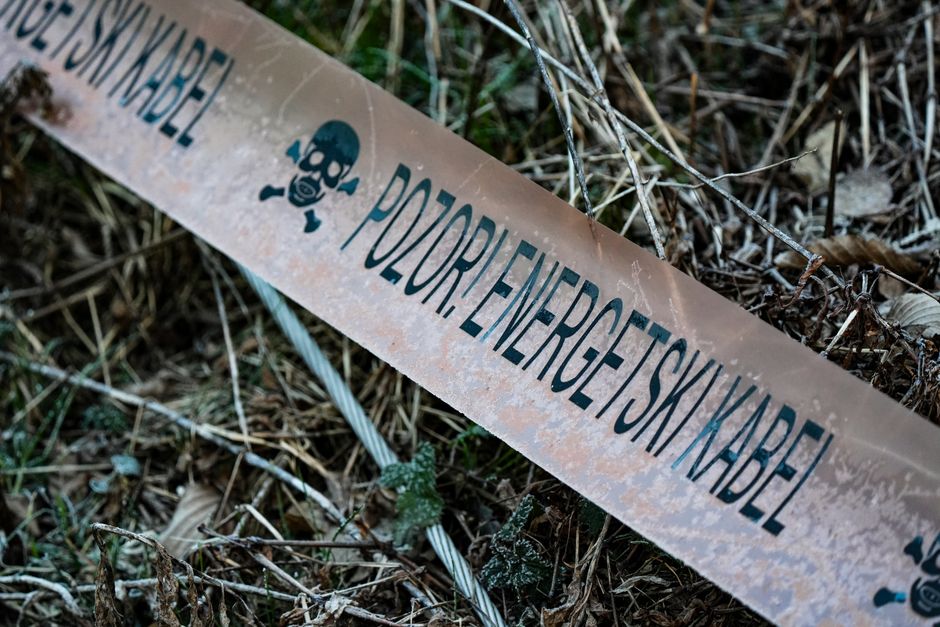
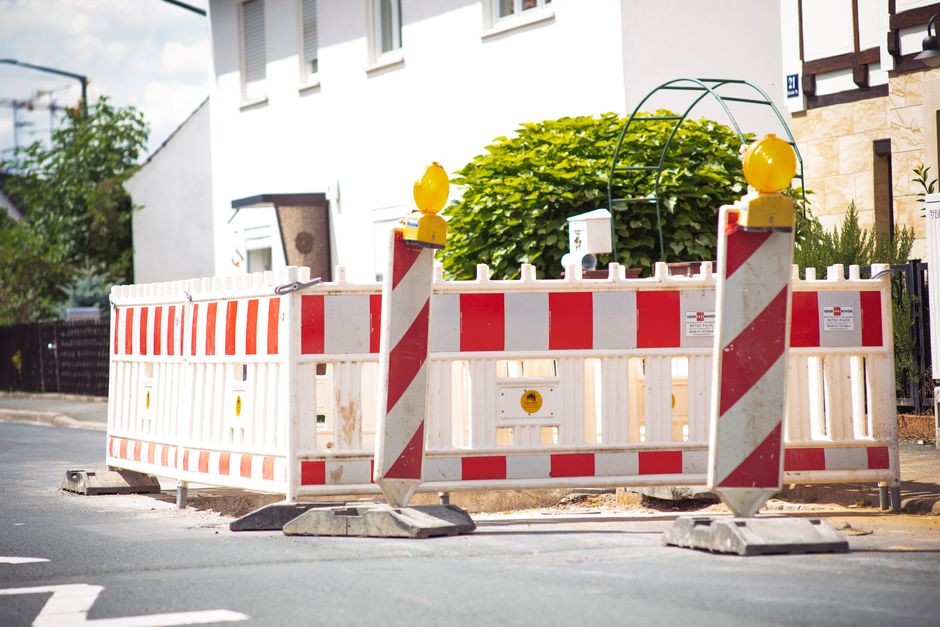
Exclusion zones for overhead line work need to be physical. Tape, barriers, cones, a banksman where necessary. The zone applies to people, equipment, and debris. A branch bouncing off the ground and rolling into a conductor still conducts. A rope snagged on a live line transfers voltage to whoever is holding the other end.
Where a line cannot be made dead and cannot be sheathed, and the required clearance cannot be maintained, the work stops. That is the hierarchy of control in practice. It is not a last resort. It is the correct decision.
Competence Is Not the Same as Experience
The tree surgeon involved had years of experience. He held an arboricultural qualification. He was not reckless in any deliberate sense. What he lacked was a formal safe system of work for that specific job, at that specific location, with those specific lines overhead.
Experience tells you what usually happens. A safe system of work tells you what to do when it does not. The role of the project supervisor on any construction or site clearance project includes ensuring that method statements and risk assessments are specific to the work, not recycled from the last job. Generic documents do not protect anyone. They do not protect the worker and they do not protect the employer when the HSA comes looking.
Contractors taking on site clearance work that includes tree removal near overhead lines should be asking for proof of specific training in overhead line awareness, not just general chainsaw or arboricultural certification. LEEA and ESB Networks both offer relevant training. It is not expensive. It is substantially cheaper than the alternative.
The Costs Nobody Budgets For
The tree surgeon in this case lost three weeks in hospital and an extended period of rehabilitation. His employer faced an HSA prosecution. The investigation, the legal process, the reputational damage, and the compensation claim collectively cost multiples of what a pre-work survey and a half-day line sheathing operation would have run.
Machinery and equipment incidents that become criminal negligence cases follow a pattern that overhead line incidents mirror almost exactly. Foreseeable risk. No control measure. Serious injury or worse. The courts are not sympathetic to "we've done it this way before without a problem."
Without a problem so far is not a safe system of work. It is a countdown.
Before the next site clearance tender lands on your desk, build ESB Networks contact, line confirmation, and physical exclusion zones into your standard operating procedure. Not as an add-on. As a condition of starting work.
The line will not move. The planning has to.