A worker loses two fingers to an unguarded circular saw on a Dublin residential build. The method statement said the guard was to be in place. Nobody told the man using it.
That gap, between what the plan says and what actually happens on the ground, is where most construction injuries live.
The HSA's Answer: Good Tool, Real Limits
The Health and Safety Authority's Safe Plan of Action framework is a genuine attempt to close that gap. It gives sites a structured way to identify hazards before work starts, assign responsibilities, and communicate controls to the people doing the job. On paper, it works. It covers task planning, hazard identification, control measures, and the critical step that most sites skip: confirming the worker actually understood what they were told.
The problem is not the tool. The problem is how sites treat it. Too many foremen hand over a laminated card, get a nod, and call it done. A nod is not understanding. A signature on a toolbox talk sheet is not communication. And when an inspector from the HSA arrives after an incident, the paperwork looks fine right up until you ask the injured worker what controls were in place. Often, they cannot tell you.
The Construction Regulations 2013 are clear on the obligations here. The project supervisor for the construction stage carries specific duties around coordination and communication of safety information. That role exists precisely because fragmented information flow on multi-contractor sites kills people. What the regulations cannot do is make a foreman with fifteen things on his mind stop and actually check that a subcontractor's crew understood the morning briefing.
Where Communication Actually Breaks Down
Language and literacy. Construction in Ireland draws workers from dozens of countries. A toolbox talk delivered in rapid Hiberno-English to a crew with varying language skills is not a safety briefing. It is a legal formality. The HSA has flagged this repeatedly in inspection reports, but sites still default to the path of least resistance. Translated materials, visual aids, and buddy systems where a bilingual worker confirms understanding are available. They are not expensive. They are used far less than they should be.
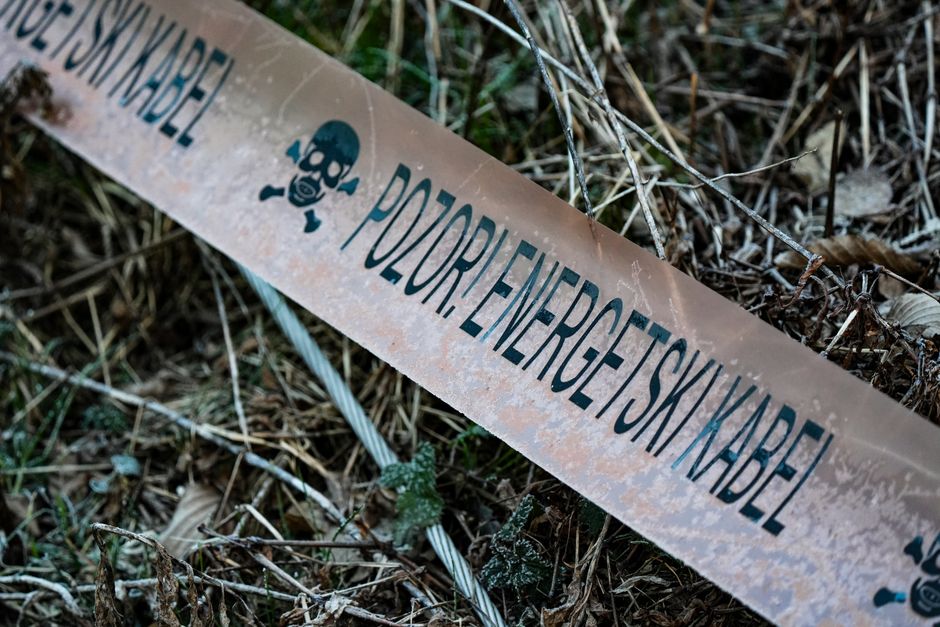
Shift handovers. A morning crew sets up a work area, places barriers, and notes a live electrical cable running under the floor. The afternoon crew arrives, the foreman who knew about the cable is gone, and nobody wrote it down anywhere a new crew would find it. This is not a hypothetical. Variations of this scenario appear in HSA investigation reports year after year. The Safe Plan of Action covers task-specific hazards, but handover communication between crews remains a structural weakness on almost every large site.
Subcontractor chains. Main contractors hold the safety file. They brief their direct teams. Then three layers of subcontracting later, a specialist installing fixings at height gets a verbal instruction from a gang foreman who got a verbal instruction from someone who half-read an email. Critical controls dissolve with each retelling. The fines that follow serious machinery incidents often trace back to exactly this kind of dilution.
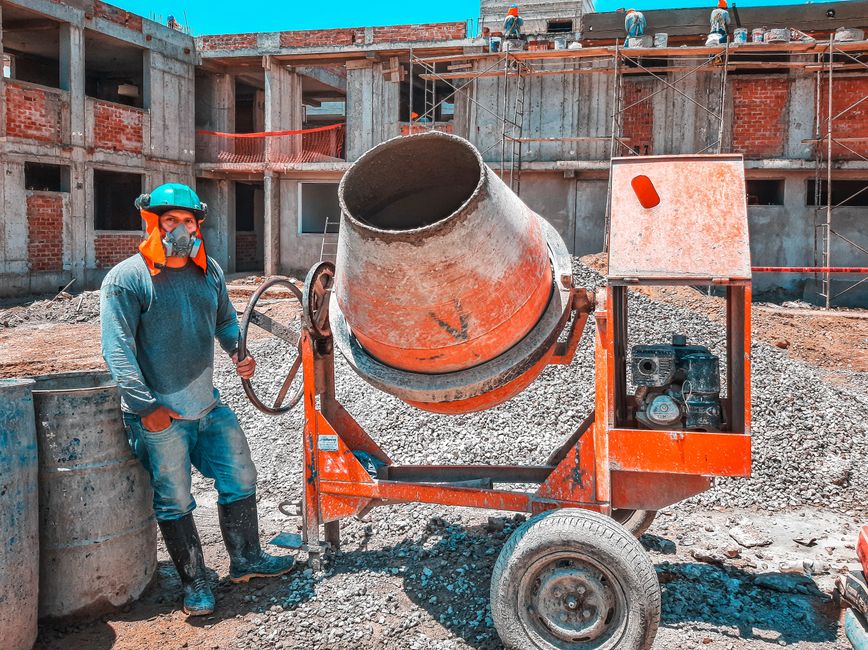
Assumption of prior knowledge. Experienced workers are the ones most likely to skip the briefing. They have done this job a hundred times. This is also the reasoning behind a significant proportion of hand and crush injuries on Irish sites. Familiarity is not safety. The task you have done safely ninety-nine times can still kill you on the hundredth, especially if something about the setup changed and nobody flagged it.
What the Case Studies Actually Show
The HSA publishes prosecution outcomes. Reading them carefully is instructive because the patterns repeat with depressing consistency.
A groundworks contractor on a Cork commercial project was fined after a worker suffered a crush injury when an excavator reversed into him. The safe system of work existed. The exclusion zone was documented. Nobody enforced it, and the banksman who should have been directing the reversing machine was doing something else entirely. The paperwork was in order. The worker spent three months in rehabilitation.
A Leinster roofing contractor faced prosecution after a fall through a fragile roof. The pre-task briefing had identified the fragile roof as a hazard. The control measure listed was "avoid walking on fragile sections." There were no physical barriers. There was no marked safe route. "Avoid it" is not a control measure. It is a wish. Falls remain the single most persistent cause of construction fatalities in Ireland, and the reason they persist is that sites mistake documentation for protection.
In both cases, the Safe Plan of Action framework had been used. In both cases, the critical link between plan and execution was missing.
What Actually Works
Stop treating the daily briefing as a checkbox. Make it a two-way exchange. Ask workers to describe the hazards back to you. Ask what they will do if conditions change. That takes four extra minutes and catches the gaps a nod will not.
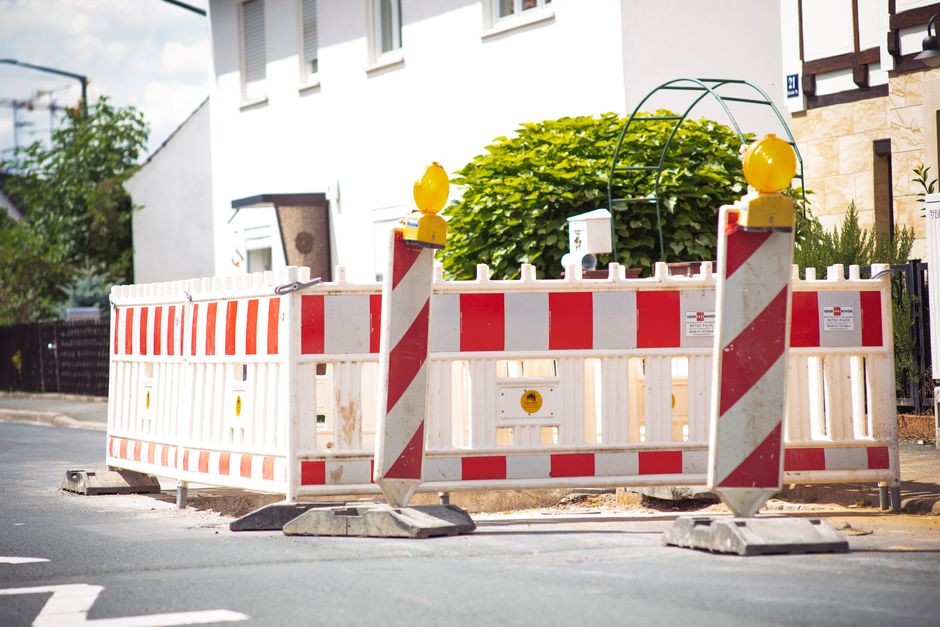
Get physical controls in place before work starts, not listed on a sheet. Barriers, signage, exclusion zones. Things workers can see and trip over rather than try to remember.
Build handover into the structure of every shift. A written note is not enough on its own, but no note at all is a guarantee that information will be lost. The departing foreman should walk the incoming foreman through active hazards. This takes ten minutes and has prevented more injuries than most safety courses.
On multi-subcontractor sites, the main contractor needs to audit communication, not just paperwork. Send someone to stand in on a subcontractor toolbox talk. Ask workers random questions. Find out what they actually know.
Address the language issue directly. It is not impolite to check understanding. It is a legal and moral obligation. Translated hazard cards, visual method statements, and designated interpreters on larger sites are tools that work.
The Honest Assessment
The Safe Plan of Action framework is the right structure. The HSA's approach to pre-task planning reflects what the evidence says works. The failure point is not the guidance. It is the execution gap between a competent safety manager writing a good plan and a busy worker on a cold morning who never quite got the message.
Sites that close that gap do not do it with better paperwork. They do it with managers who treat communication as a craft, not an administrative requirement.
The fingers that worker lost in Dublin were not lost because a plan did not exist. They were lost because no one checked if the plan had arrived.