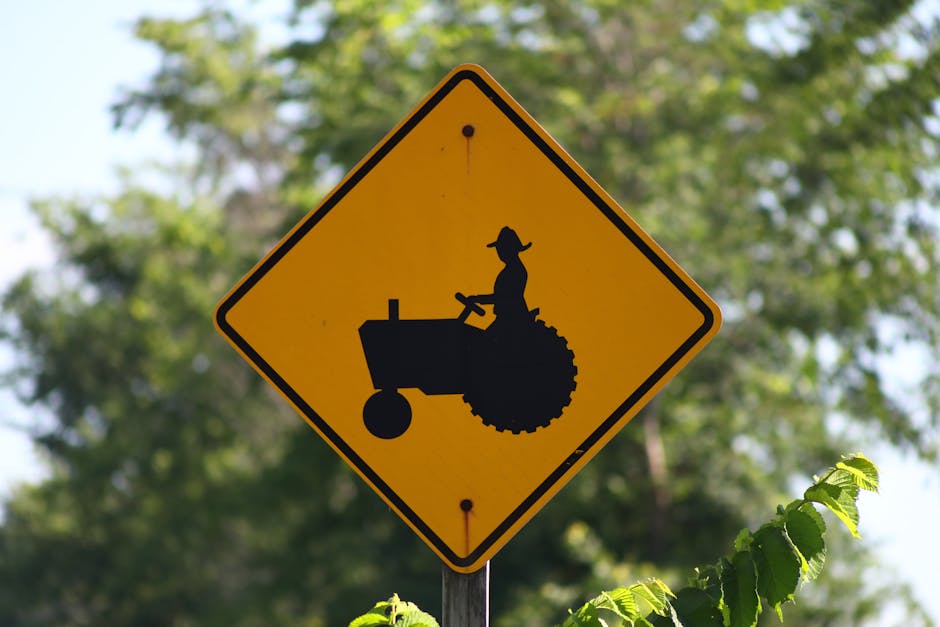
The HSA's national farm safety campaign is active. Inspectors are visiting farms across Ireland right now, and they are not dropping in for a cup of tea.
If you run a farm, work on one, or manage one on behalf of a family, the time to prepare is before the inspector's car pulls into your yard. The HSA does not score points for catching people out, but the statistics that drive these campaigns are bleak enough that they show up anyway. Farm fatalities in Ireland follow a pattern that is entirely predictable, which is exactly why the regulator keeps coming back to the same risk areas year after year.
Here is what they are actually looking for.
Tractors and PTO Shafts
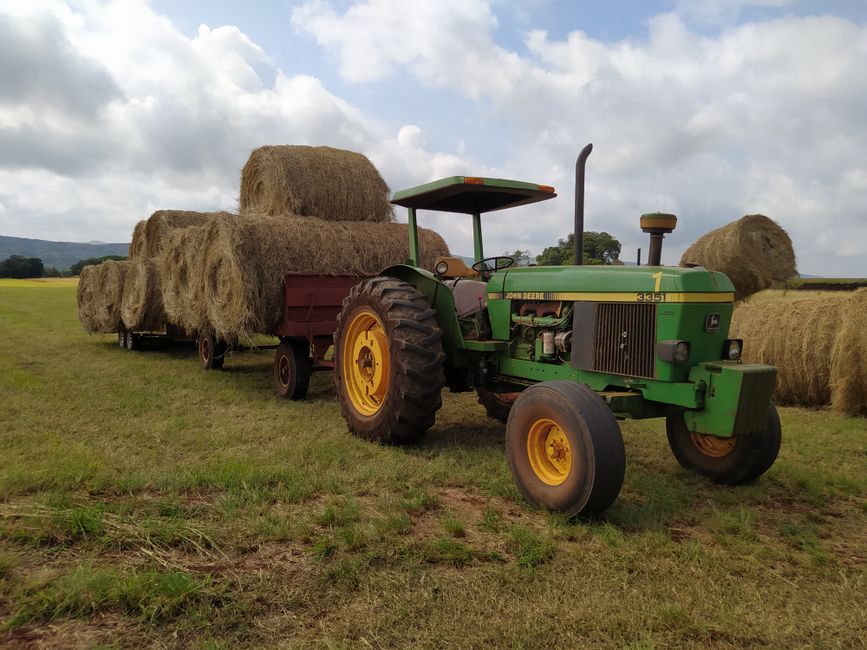
The power take-off shaft is responsible for a disproportionate share of serious injuries on Irish farms. An unguarded or damaged PTO shaft can snag clothing in under a second. There is no reaction time. Inspectors will check that the shaft guard is in place, undamaged, and rotating freely. If the guard is cracked, missing, or held on with baling twine, you have a problem.
Tractor cabs are also on the list. A cab that meets rollover protection standards is not optional. Seatbelts must be present and functional. Working from an open tractor without a rollbar on uneven ground is a finding that will end the conversation quickly.
Slurry and Confined Spaces
Slurry storage kills quickly and without warning. Hydrogen sulphide builds up in tanks and pits, and there is no smell once concentrations reach lethal levels. Inspectors will want to see that agitation of slurry never happens with livestock or people in adjacent enclosed spaces, and that anyone working near slurry has a system in place rather than just a habit.
If you have anyone who enters a tank, pit, silo, or any other confined space on your farm, you need a written permit-to-work system, a standby person outside, and rescue equipment ready before entry begins. The inspector will ask. If you cannot show the paperwork, the assumption is the procedure does not exist.
Farmyard Layout and Vehicle Movement
Segregating pedestrians from machinery is the kind of thing that sounds obvious until someone walks behind a reversing loader. Inspectors assess whether there is a defined system for keeping people away from moving vehicles in the yard. Mirrors, signage, defined walkways, and clear stopping procedures all count.
Children on farms are a specific concern. A farmyard is not a safe play area. Inspectors notice whether children have unrestricted access to machinery, open pits, or storage areas. If your answer is "they know not to go there," that is not a control measure.
Machinery Guarding and Maintenance
Moving parts on farm machinery must be guarded. This applies to older equipment as much as to new. The age of the machine does not reduce the duty to guard it. Inspectors will check feeders, balers, mowers, and any other equipment in regular use for exposed rotating components.
Maintenance records matter too. A machine with obvious defects that is still in operation is a serious finding. Corrosion on farm equipment is not cosmetic. Structural failure of a component under load is predictable if the warning signs are ignored.
Chemical Storage and Handling
Agri-chemicals, fertilisers, and pesticides must be stored correctly. That means a locked, ventilated store, appropriate labelling, and safety data sheets accessible to anyone who uses them. Inspectors will check whether staff who apply pesticides hold a valid pesticide licence where one is required.
Fuels and oils need to be stored in appropriate containers with bunded storage to prevent contamination of water courses. An uncovered diesel tank sitting on bare ground beside a stream is both an environmental issue and an immediate inspection problem.
Safe Electricity and Overhead Lines
Overhead power lines on farmland are a consistent hazard, particularly during hedge cutting, silage operations, or any work involving telescopic machinery. The safe working distance from a 38kV line is 3 metres. Many people do not know what voltage their nearest line carries and have never checked.
Electrical distribution boards in farm buildings need to be in good condition, protected from moisture and vermin, and fitted with appropriate circuit protection. Extension leads run permanently across yard surfaces are a reliable way to attract attention from an inspector.
Formal Safety Statement
Every farm that employs workers, including family members who are paid, must have a written Safety Statement. This is not a form you download and file once. It needs to reflect the actual hazards on your specific farm, the controls you have in place, and be reviewed when something changes.
Inspectors will read a Safety Statement. If it mentions hazards that do not exist on your farm and omits ones that clearly do, they can see that. A generic document does the opposite of what you want it to do.
What Happens if an Inspector Finds Something
If the issue is minor, you will get an Improvement Notice with a deadline. If the risk is immediate and serious, the inspector can issue a Prohibition Notice on the spot. That stops the activity until the risk is controlled. Prosecutions follow when notices are ignored or when incidents occur on farms with documented compliance failures. The consequences are not abstract, and the costs go well beyond any fine.
Preparing for an inspection is not about impressing a visitor. It is about running a farm where the people on it come home at the end of the day.
Walk the yard this week. Check the PTO guards. Read your Safety Statement. The inspector's visit is a prompt, not the reason.