The HSA's updated Code of Practice for Farming Operations landed without much fanfare. Farms that haven't looked at their paperwork since the last version are already behind.
Irish agriculture kills more workers per capita than almost any other sector in the economy. Roughly 16 to 20 people die on Irish farms every year. The HSA has seen the numbers, studied the incidents, and updated the code accordingly. The changes reflect what is actually going wrong, not what looks tidy on a compliance checklist. If your farm safety statement and risk assessment were written years ago and left to gather dust in a drawer, they will not hold up to scrutiny under the new code.
This matters beyond a fine. An inadequate risk assessment after a serious incident hands prosecutors a ready-made argument that you knew the risks existed and chose not to address them properly. The paper trail you create now determines what happens in court later.
What the Updated Code Actually Changes
The revised code tightens the standard for what counts as a suitable and sufficient risk assessment. Vague language no longer passes. Stating that "tractors are operated safely" tells an inspector nothing. The assessment needs to identify specific hazards, the people at risk, and the control measures in place. It needs to be reviewed when circumstances change, not on a rolling five-year cycle.
The code places far greater emphasis on hazards specific to the farm as it actually operates today. A farm that has taken on a contractor for silage season, added a new slurry tank, or started employing seasonal workers since the last assessment was written has a risk profile that the old document does not reflect. That gap is exactly what inspectors look for.
Children on farms receive specific attention in the updated code. Supervised or not, their presence on the yard creates documented obligations. Designated safe zones, restricted access to machinery and livestock areas, and written records of those controls are now explicitly required rather than implied.
Machinery: The Section Most Farms Get Wrong
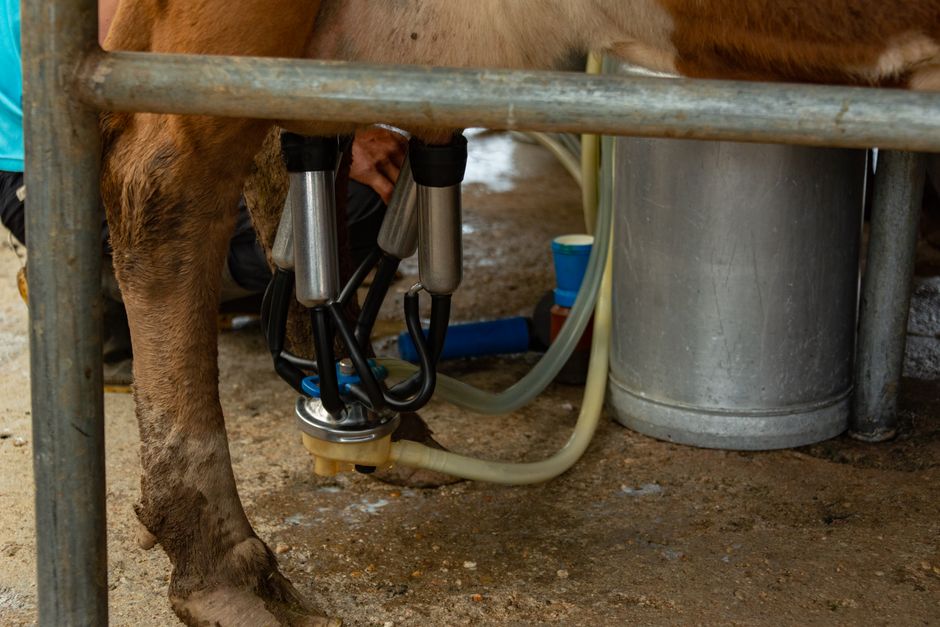
Machinery hazards account for a significant portion of farm fatalities, and the code reflects that. Power take-off shafts, telehandlers, and quad bikes all receive dedicated treatment. The assessment must name the specific machines on your holding, identify the tasks where contact injury is possible, and record the guards and controls that prevent it.
From farm machinery to factory floors, the pattern of finger loss and crush injuries repeats because the hazard is normalised. The updated code pushes back against that. Written records of guard inspections are no longer optional good practice. They are evidence that your system of work is functioning.
Telehandlers carrying loads near public roads or yard entrances now require specific risk controls documented in writing. If you use a telehandler for tasks beyond its rated use, that needs to be in the assessment too.
Slurry and Confined Spaces
Slurry gas remains one of the fastest ways to lose multiple family members in a single incident. Hydrogen sulphide kills in seconds at sufficient concentration. The code requires farms to document when slurry tanks are being agitated, who is informed, what exclusion zones are in place, and what emergency procedures exist.
Confined space entry, even for routine tasks, must be covered by a written permit-to-work system or a documented procedure that functions as one. Many farms still have no written procedure at all for entering a tank, pit, or underground store. Under the updated code, that is a direct compliance failure.
Working Alone and Seasonal Workers
Lone working on farms is practically unavoidable. The updated code requires that you assess the specific risks that arise when a person is working without anyone nearby to respond to an incident. A communication procedure, a check-in schedule, or a personal alarm system are all acceptable controls. No procedure at all is not.
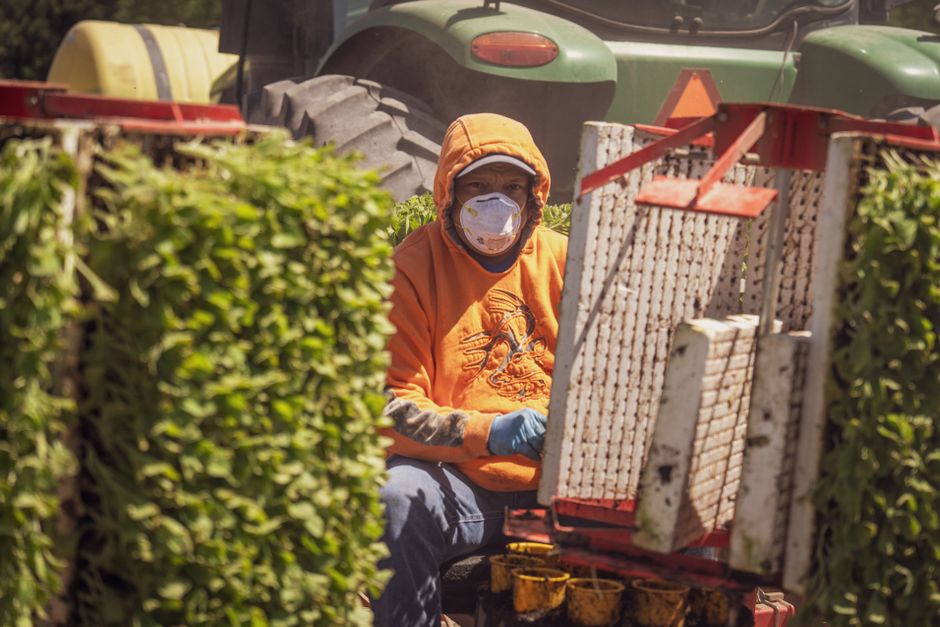
Seasonal and contract workers present a separate challenge. They arrive unfamiliar with the layout, the livestock behaviour, and the quirks of the machinery. The code now requires that you document how you bring them into the farm's safety arrangements. A verbal walk-around does not count. A written induction record does.
What an Inspector Will Actually Check
HSA inspectors arriving under the spring and autumn farm campaigns are not looking to catch you out on technicalities. They are checking whether you have genuinely thought about what can go wrong on your specific holding and taken steps to prevent it. The documentation needs to reflect the farm that exists today, not the farm that existed when the statement was first written.
They will want to see the safety statement and risk assessment. They will ask whether it has been reviewed recently. They will look at whether the control measures described in the document are visible in practice. Guards that are listed as being in place but are missing from the machine create an immediate problem. Farm safety inspections follow a predictable pattern, and preparation is not difficult once you know what is being checked.
They will also ask about training records. Who has been trained on what, and when. Family members working on the farm are not exempt from this requirement.
The Steps to Take Now
Sit down with the existing safety statement and go through it against current operations. Mark anything that no longer reflects reality. New machinery, new workers, structural changes, new animals, changes to working hours. Each one is a gap that needs to be closed in writing.
Get the hazard identification right. Walk the farm with the specific categories the code identifies: machinery, livestock, slurry and confined spaces, chemicals, working at height, electricity, and lone working. For each one, write down what the hazard is, who is at risk, and what you are doing about it. Specific controls only.
Date the revision and sign it. An undated update is nearly as useless as none at all.
If you employ anyone, including casual or family workers, document their induction and their training. If you have taken on contractors, document how their activities interact with your farm's hazards.
The updated code does not ask for anything that a genuinely safe operation would not already be doing. The problem is that most farms have not written it down. That gap between actual practice and documented evidence is where compliance fails, and where prosecutions are built.