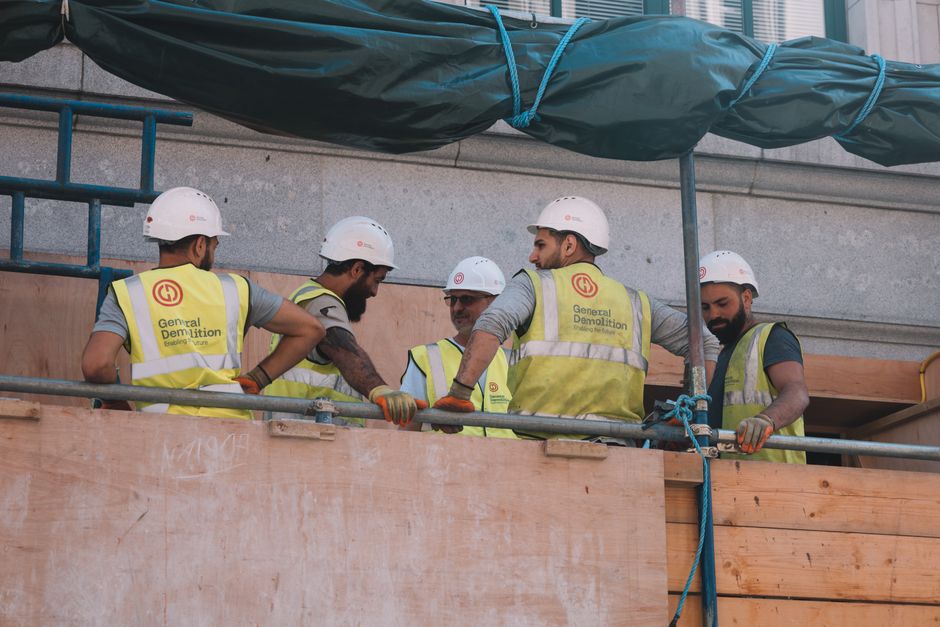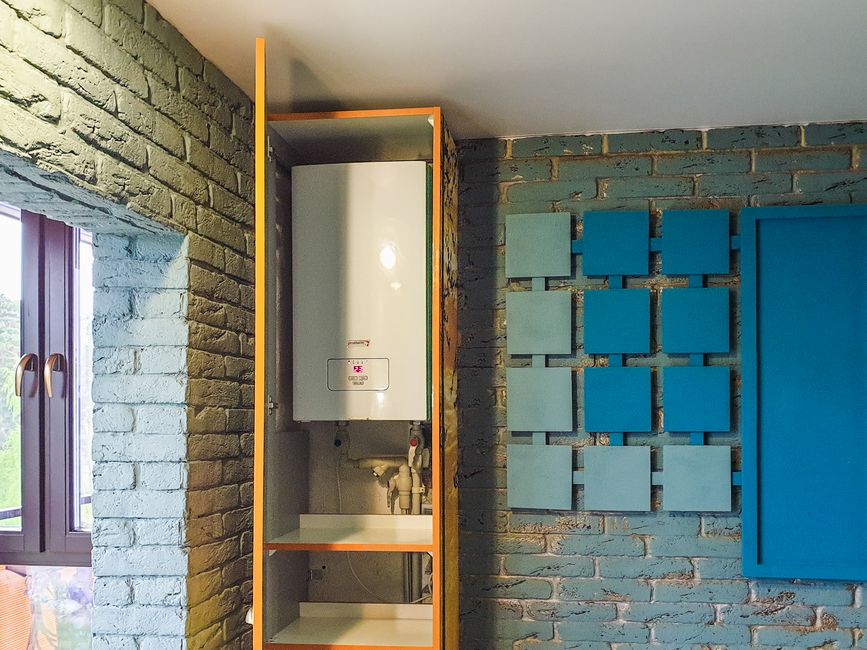
A man in Ireland was prosecuted for fitting a boiler without registration. The boiler worked. The family had no idea anything was wrong. That is exactly the problem.
Gas safety failures are quiet until they are not. Carbon monoxide has no smell. A flue fitted at the wrong angle does not announce itself. A gas connection that holds pressure during an informal test can still leak under sustained use. By the time you know something is wrong, the window for acting is often gone.
The case exposed something that homeowners repeat constantly: they assumed the tradesperson was qualified because he seemed competent, arrived promptly, and charged a reasonable rate. None of those things are qualifications. Competence in one trade does not transfer to gas work. Showing up on time is not a licence. A low quote is not a safety certificate.
What the Law Actually Requires in Ireland
Anyone carrying out gas work on natural gas or LPG installations in Ireland must be registered with Bord Gáis Networks as a Registered Gas Installer, known as an RGI. This is not optional, not a recommendation, and not something that can be substituted with general plumbing experience or years on the tools.
The RGI register is public. You can check it. The Commission for Regulation of Utilities oversees the framework, and Bord Gáis Networks maintains the installer database. If your installer is not on that list, they are not legally permitted to touch your boiler, your gas hob, or any other gas appliance in your home.
This applies to new installations, replacements, repairs, and gas safety checks. All of it. Fully qualified plumbers who are not RGI registered cannot do this work legally. The scope of your other qualifications is irrelevant when it comes to gas.
How to Check Before Anyone Arrives
Do this before you book, not after the work is done.
Go to the Bord Gáis Networks website and search the RGI register using the installer's name or company. The database is searchable and free to use. If they are not listed, do not hire them for gas work. That is the entire process.
When you contact a tradesperson, ask directly: "Are you RGI registered and can I see your card?" A registered installer carries a photo ID card issued by Bord Gáis Networks. It includes their registration number and the categories they are certified to work in, because registration covers specific appliance types. A boiler installer needs certification for that specific category, not just a general gas registration.
If they hesitate, make excuses, or tell you their mate can sign off on it, end the conversation.
What Happens After the Work Is Done
A registered installer must issue you a Certificate of Conformance after completing any gas installation or significant repair. This document confirms the work meets Irish standard I.S. 813, which governs domestic gas installations. Keep it. If you sell your house, your solicitor will want it. If there is an insurance claim, your insurer will want it.
You should also receive a commissioning report for a new boiler installation. This confirms the boiler was set up correctly, tested, and running within manufacturer specifications. No certificate means no proof the work was done properly. Chasing it after the fact from an unregistered installer is not a situation you want to be in.
Annual gas safety checks are separate from installation. They should be carried out by an RGI registered engineer. Some boiler manufacturers require annual servicing to maintain warranty. That servicing must be logged and documented.
Carbon Monoxide Detectors Are Not a Substitute for Proper Installation
Fit one anyway. Every home with a gas appliance should have a carbon monoxide detector that meets EN 50291 standard. Position it in the same room as your boiler and in any bedroom near a gas appliance. Test it monthly. Replace it every seven years.
But understand what a detector is and what it is not. It is a last line of defence. It tells you gas combustion has already gone wrong and the byproduct is already in your air. The first aid protocol after carbon monoxide exposure involves getting people out fast and calling emergency services. It does not involve going back in to check the boiler. You do not investigate. You evacuate.
A properly installed boiler, fitted by a qualified RGI engineer, serviced annually, and checked after any fault or unusual noise, is the prevention. The detector is what you hope you never need.
The Fake Qualifications Problem
Unregistered tradespeople sometimes present paperwork that looks official. A FETAC certificate in plumbing, a manufacturer's training completion card, a gas awareness course certificate. None of these replace RGI registration. If it does not show up on the Bord Gáis Networks register, it does not count for gas work in your home.
Falsified certificates appear across multiple industries in Ireland, and gas work is not immune. The check is always the same: verify the register, see the card, get the certificate after.
What to Do If You Think Work Was Done Illegally
If you suspect gas work in your home was carried out by an unregistered person, stop using the appliance. Call a registered RGI engineer to inspect and certify the installation before you switch it back on. Report the original installer to Bord Gáis Networks. You can also report to the Commission for Regulation of Utilities.
You are not dobbing someone in. Unregistered gas work kills people. The report is the right thing to do.
The tradesperson who fitted that boiler illegally did not set out to hurt anyone. That is irrelevant. Good intentions do not seal a flue joint. Good intentions do not replace a safety inspection. The registration system exists because gas work done badly kills quietly and completely. Check the register. Every time.