Met Éireann issued more heat alerts in the last three summers than in the previous decade combined. Irish employers, by and large, had no idea what to do about it.
The instinct is to wait for a law that sets a number. A maximum temperature, a trigger point, a threshold that tells you when to act. That law does not exist in Ireland. What does exist is a general duty under the Safety, Health and Welfare at Work Act 2005 to provide a safe place of work, which absolutely covers thermal environment, and an HSA that will hold you to it when something goes wrong. The absence of a specific number is not a loophole. It is an invitation to use your judgment, and then be judged on it.
What the Law Actually Says
The 2005 Act requires employers to identify hazards, assess risks, and implement controls. Heat is a hazard. On a 28°C day in a warehouse with a metal roof and no ventilation, it becomes a serious one. The General Application Regulations 2007 add more specific weight: the temperature in indoor workplaces must be "reasonable," taking into account the nature of the work and the physical effort involved.
Reasonable is doing a lot of heavy lifting in that sentence. For someone sitting at a desk, 25°C is uncomfortable. For someone moving stock in a logistics facility, 25°C with humidity is a heat stress risk. The assessment has to reflect the actual work, not a generic office assumption.
The HSA has published guidance that points to 13°C as the minimum for sedentary work and suggests 29°C is where thermal discomfort becomes a genuine hazard for most indoor workers. That 29°C figure is not a legal limit. It is the point at which an inspector will ask you what controls you have in place, and you need a good answer.
Who Is Most at Risk
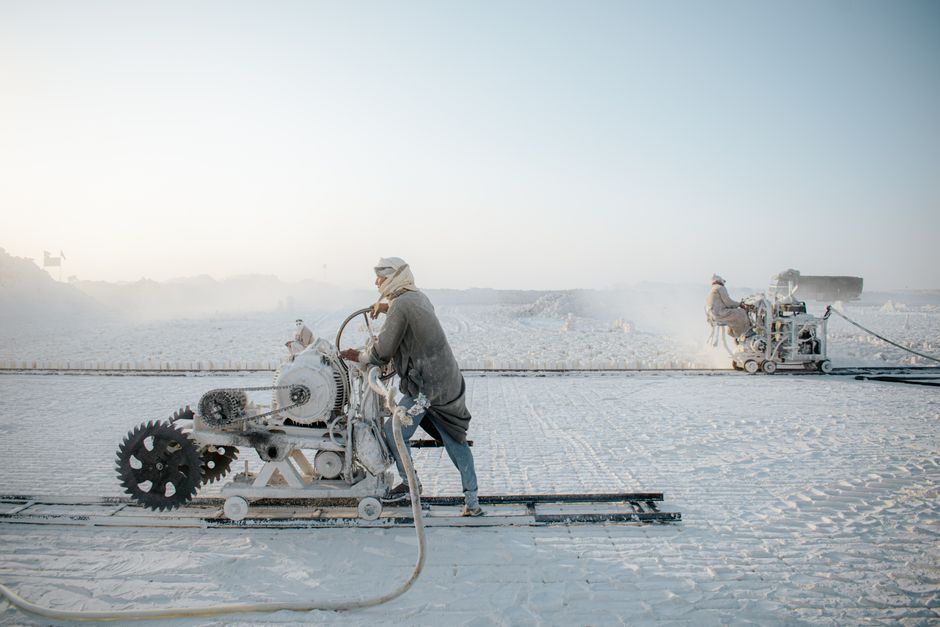
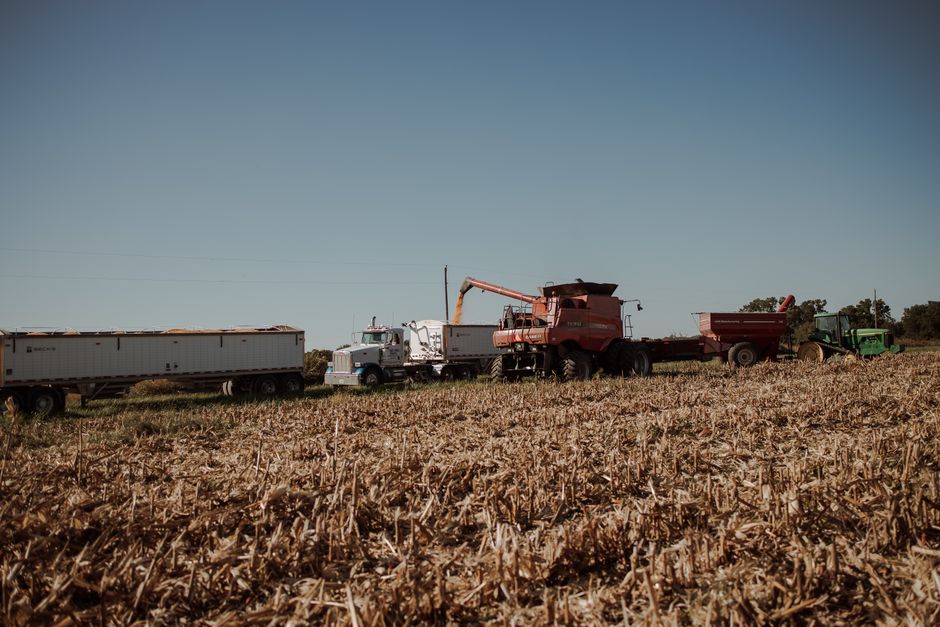
Outdoor workers are the obvious group. Construction, agriculture, landscaping, road maintenance. These workers have no building to retreat into and often no choice about when the work happens. Protecting outdoor workers from sun exposure is a year-round obligation, but it becomes acute between June and August.
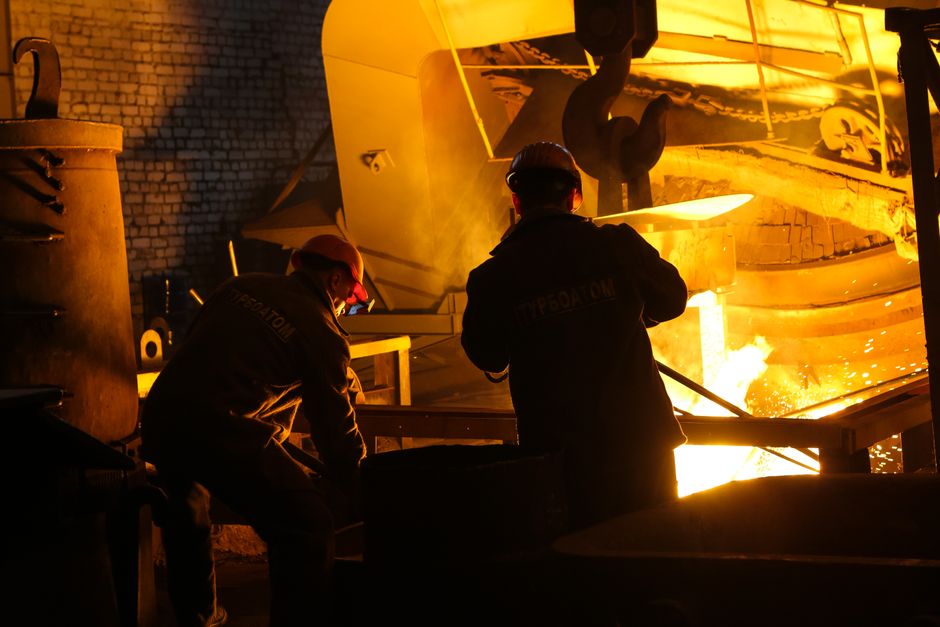
Indoor risk is less obvious but equally real. Commercial kitchens, laundries, bakeries, manufacturing facilities, and distribution centres can hit dangerous temperatures when ambient air is already warm. A kitchen that operates at 35°C in February because of the equipment inside it can reach 42°C in July. That is not a dramatic scenario. That is a Tuesday in a busy restaurant during a heatwave.
New workers and returning workers are disproportionately vulnerable. The body takes around 10 to 14 days to acclimatise to working in heat. Someone who was in an office for three weeks and comes back to a physical role during a heatwave is at significantly higher risk than a colleague who has been on site throughout.
Workers on certain medications, those with cardiovascular conditions, and anyone carrying additional weight face elevated risk. Your risk assessment needs to account for the workforce you have, not a theoretical average person.
What Heat Stress Actually Looks Like
Heat exhaustion comes before heat stroke. The signs are heavy sweating, weakness, cold or pale skin, a fast but weak pulse, nausea, and fainting. This is the warning. A worker showing these signs needs to be moved to a cool place, given water, and monitored.
Heat stroke is the emergency. Core body temperature above 40°C. Hot, red, dry or damp skin. Fast and strong pulse. Confusion. This is a 999 call. Do not wait to see if they improve. Heat stroke kills.
Supervisors need to know the difference. Telling workers to "push through" when they are showing heat exhaustion signs is not a management style. It is negligence.
The Controls That Actually Work
Scheduling. The single most effective control for outdoor work. Move physically demanding tasks to early morning or evening. Stop non-essential outdoor work during peak heat hours, typically 11am to 3pm during a heat alert.
Shade and rest areas. Not a cold room, necessarily. Just somewhere out of direct sun with airflow. Every outdoor site during summer should have one. This is not an amenity, it is a control measure.
Water. A litre of water per hour in hot conditions. That is the guidance. Not a water cooler at the far end of the building that people feel awkward walking to. Water available at or near the work location.
Acclimatisation schedules. New workers, returning workers, and anyone moving to a hotter environment should start with reduced hours or lighter work for the first two weeks. Write this into your onboarding process before summer hits.
Modified PPE. Full PPE in extreme heat creates its own problem. Where ppe cannot be reduced, look at lighter materials, moisture-wicking fabrics, and cooling vests. Some tasks may need to be rescheduled entirely rather than attempted in full protective gear in 30°C heat.
Monitoring. Know what the forecast is. Subscribe to Met Éireann alerts. Have a tiered response plan so that when a Status Orange heat alert is issued, your supervisors know what that means for site operations without waiting for instructions from above.
Your Safety Statement Needs to Reflect This
If your Safety Statement does not mention thermal environment, heat stress risk, or summer working conditions, it is out of date. The HSA can and does inspect for this. A document that covers manual handling, chemicals, and machinery but says nothing about a hazard that killed workers across Europe last summer is not a credible risk management document.
Update the risk assessment. Name the tasks and roles at highest risk. Name the controls. Assign responsibility for monitoring weather alerts. Make sure supervisors know what authority they have to stop work or modify schedules when conditions deteriorate.
The Turn
Irish employers spent decades not worrying about heat because the climate did not demand it. That calculation has changed. Summers are hotter, alerts are more frequent, and the HSA's enforcement appetite has grown alongside the evidence base. A worker hospitalised with heat stroke on your site is a serious incident. It will be investigated. Your Safety Statement, your training records, and your site supervisor's decisions that day will all be examined.
The law gives you flexibility on how you manage heat risk. It gives you no flexibility on whether you manage it.