Ireland gets about 1,500 hours of sunlight a year. That is enough to give an outdoor worker a cumulative UV dose that causes real damage, and most of them have no idea it is happening in October.
The HSA runs its sun safety campaign in summer. Fair enough. UV index peaks in June and July, and catching workers at that moment makes sense. But the campaign creates an unintended side effect: outdoor workers mentally file sun protection under "summer job," right next to the paddling pool and the factor 50 they bought at the airport. Come September, the sunscreen goes in a drawer. The risk does not.
Melanoma is the fastest-rising cancer in Ireland. The Irish Cancer Society links a significant share of cases to occupational UV exposure. Farmers, roofers, groundskeepers, road crews, and construction workers are not getting this risk through a one-off bad sunburn. They are getting it through decades of daily, low-drama exposure that nobody is tracking, measuring, or managing consistently.
UV Does Not Clock Off in September
The UV index in Ireland drops below 3 in the winter months, which is generally considered low risk. But from March through October, levels regularly hit 5 or above, which is moderate to high. That is eight months of meaningful exposure, not two.
A farmer doing spring fieldwork in April is getting UV exposure at similar levels to someone on a July building site. A groundskeeper mowing in early October is not in the clear. The calendar is not the hazard. The sun angle and cloud cover are, and Irish cloud cover does not block UV the way people assume. Up to 80% of UV radiation passes through cloud. The overcast day is not a day off.
What the Law Actually Requires
Under the Safety, Health and Welfare at Work Act 2005, employers have a duty to identify and manage all workplace hazards, including UV radiation. This is not discretionary. Natural UV is a recognised carcinogen. If your workers are outside for significant parts of their working day, UV exposure belongs in your risk assessment. Full stop.
The HSA's general guidance points toward a hierarchy of controls. Engineering controls first, then administrative, then PPE. For UV, that translates to: schedule heavy outdoor work before 11am and after 3pm where possible, rotate workers to limit individual exposure, provide shade at rest areas and meal breaks, and supply appropriate PPE including wide-brimmed hard hats, long-sleeved UV-protective clothing, and SPF 30 or higher sunscreen.
Farm safety inspections increasingly look at how employers are managing skin cancer risk alongside the more obvious hazards. UV is on the list. If you cannot show it is in your risk assessment, that is a gap.
The Groups Getting Least Protection
Seasonal agricultural workers are the most underserved population in this space. They arrive for busy periods, often from overseas, receive minimal induction, and work extremely long hours in the field during peak UV months. Employers frequently do not provide sunscreen as standard PPE, or if they do, there is no system for re-application. Sunscreen applied once at 7am and not topped up is essentially decorative by midday.
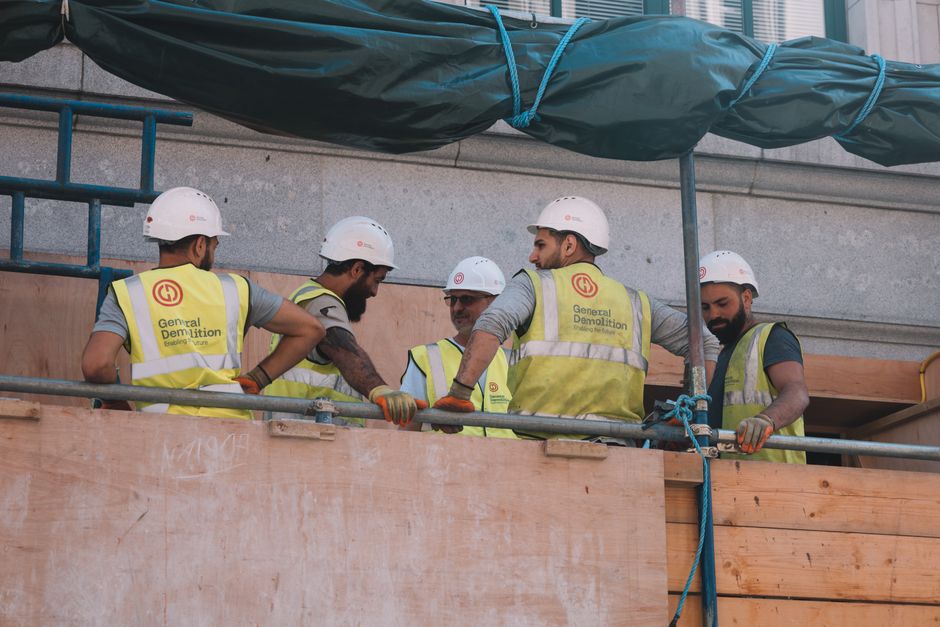
Construction crews face a compounded problem. Noise and vibration get significant attention on site. Dust, falls, and machinery risk get documented and drilled. UV sits in an odd category because it feels like a lifestyle issue rather than a site hazard, and that perception lets it slide through risk assessment reviews without proper scrutiny.
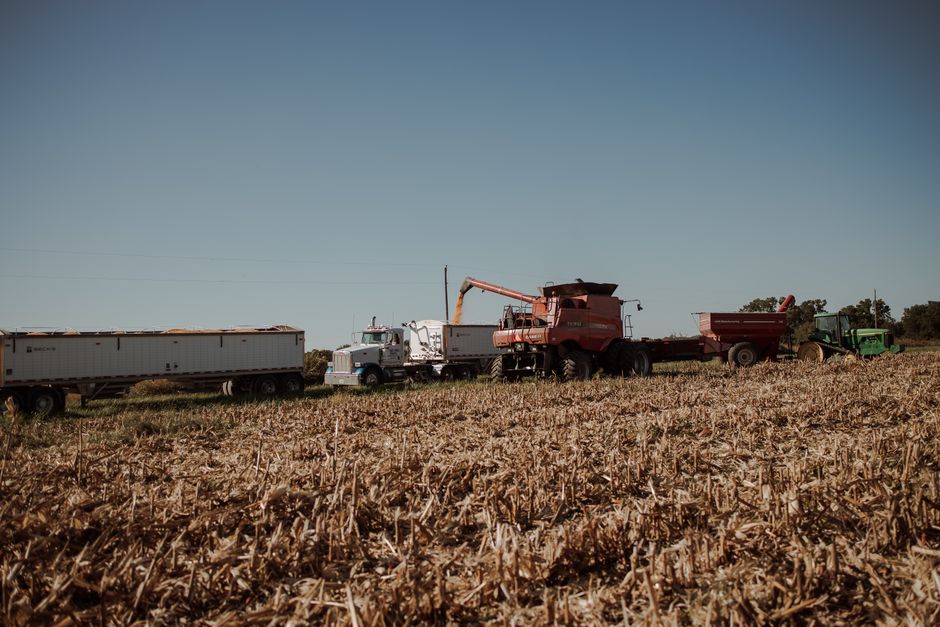
Farmers are a distinct case. Many are self-employed or running family operations, which means they fall outside the direct employer-employee framework that drives enforcement. They are also the group with decades of accumulated exposure and statistically the highest rates of non-melanoma skin cancers. Squamous cell carcinoma and basal cell carcinoma are not the dramatic diagnosis of melanoma, but they disfigure, they recur, and they kill if ignored.
What a Year-Round Programme Actually Looks Like
A genuine UV protection programme is not complicated. It does not require a consultant or a laminated poster featuring a cartoon sun.
Risk assessment update. Add UV as a formal hazard. Record exposure levels by role and season. Note the months of meaningful risk, which is March to October as a baseline. Document your controls.
Scheduling. Rotate workers where you can. Break up the long exposure blocks. This is more achievable on some sites than others, but the question needs to be asked.
Shade. Provide it at rest areas. This is a structural decision, not a suggestion to find a tree.
Clothing. UV-protective workwear is widely available and not expensive. Long-sleeved shirts with a UPF rating are a control measure, not optional comfort gear.
Sunscreen as site supply. Provide it. Put it somewhere workers can access it without asking. SPF 30 minimum, water-resistant, and re-applied every two hours during outdoor work. Factor this into your site budget the same way you factor in gloves or high-vis.
Skin surveillance. Encourage workers to know what their skin looks like and to flag changes. A GP referral for a suspicious lesion costs nothing compared to a late-stage skin cancer treatment pathway. Many occupational health schemes include annual skin checks, and if yours does not, ask why.
The Turn
Sun safety campaigns work best when they kickstart a habit rather than replace one. The HSA campaign is a prompt, not a complete programme. If your UV protection stops when the campaign ends, you have done the minimum and called it done.
Outdoor workers in Ireland spend the better part of eight months a year under meaningful UV exposure. The risk is manageable, the controls are cheap, and the consequences of ignoring it are permanent. Sort your risk assessment, supply the sunscreen, and stop treating April like it is December.