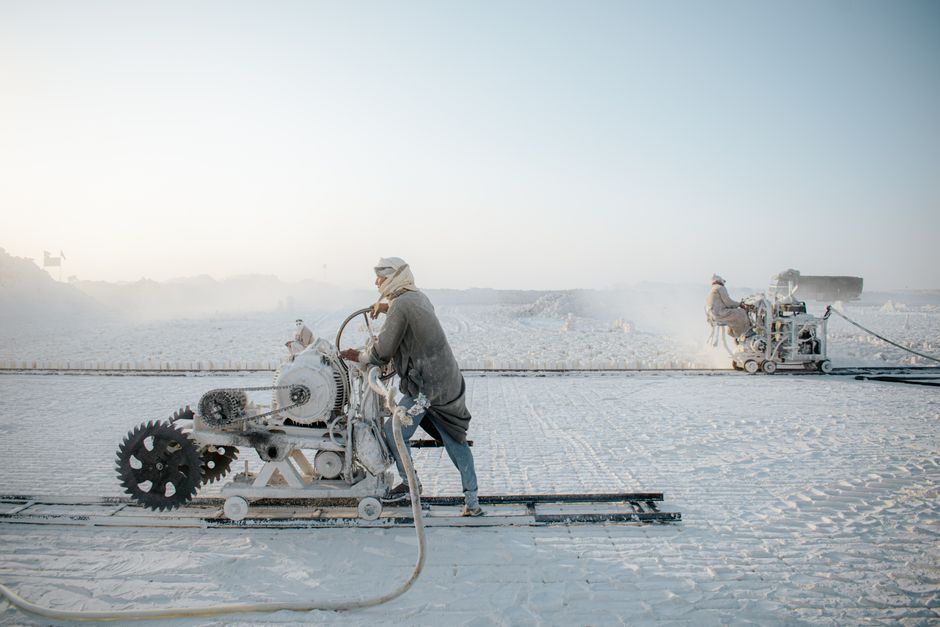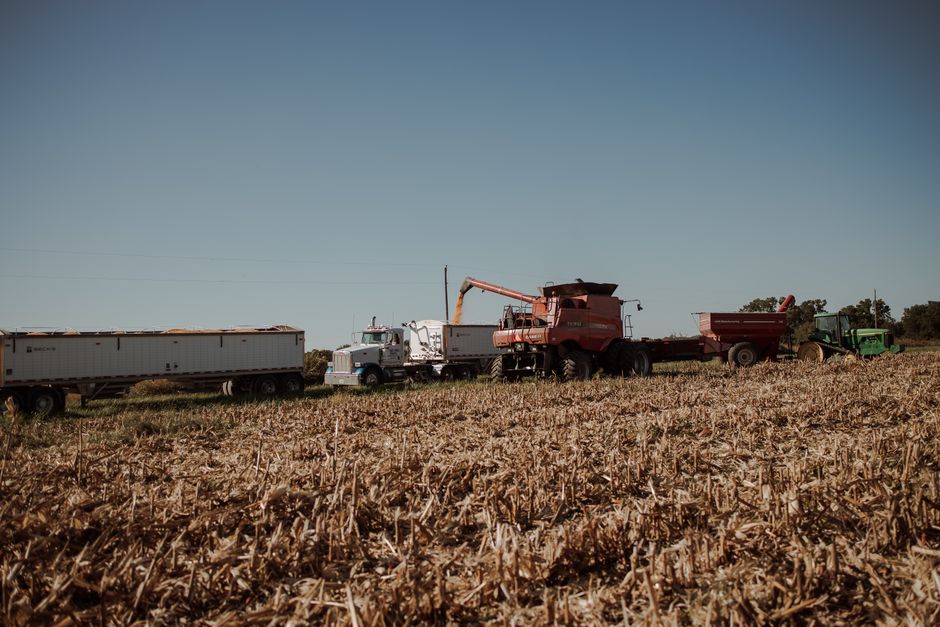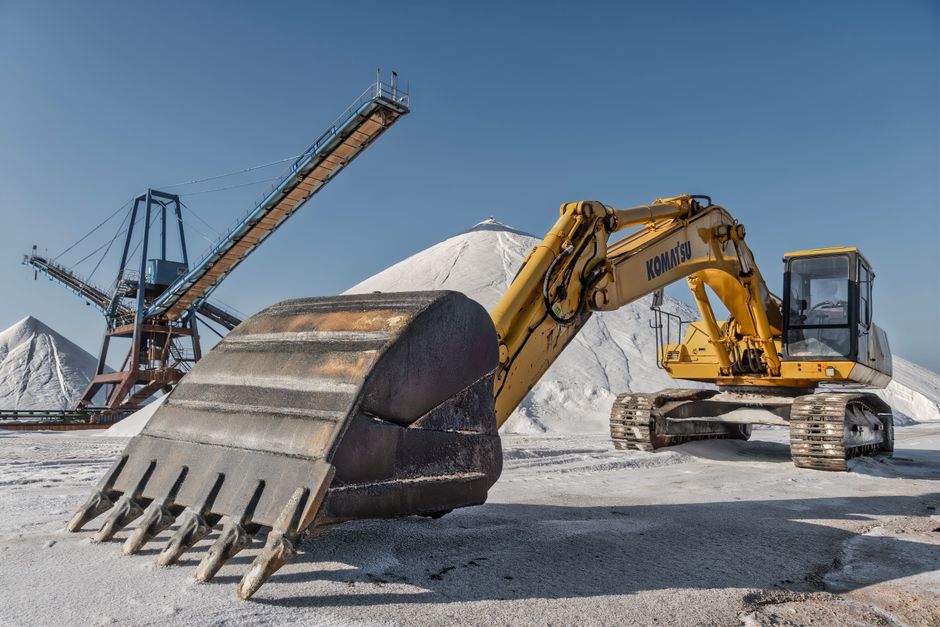
The Health and Safety Authority and the Health and Safety Executive Northern Ireland have launched a coordinated all-island inspection campaign targeting quarries and concrete block manufacturers. Both regulators, same hazards, same enforcement period. That is not a coincidence.
The sectors they are targeting sit at the sharper end of occupational risk. Quarrying consistently ranks among the most dangerous industries in Ireland by fatality rate. Concrete block manufacturing is quieter in terms of headlines but carries the same core hazards: dust, vehicles, unguarded machinery, and workers who have been doing the same job for twenty years and stopped seeing the danger. The campaign is about forcing a fresh set of eyes onto sites where familiarity has replaced caution.
But here is the part that gets missed in the trade press coverage. The hazards being scrutinised in quarries are not exotic. They are the same hazards that appear in small block yards, precast operations, construction depots, and anywhere else stone or concrete gets cut, crushed, or moved. If you run a medium-sized construction firm with a concrete saw, a block-cutting station, and a couple of telehandlers moving around a congested yard, this campaign is a mirror held up to your operation.
What Inspectors Are Actually Looking For
The HSA has been clear that the campaign will focus on five core areas: silica dust exposure, vehicle and pedestrian interaction, machinery guarding, noise, and health surveillance. That list covers the majority of serious incidents across the wider extractives and construction materials sector.
Silica dust is the headline item. Crystalline silica is released whenever quarried stone, concrete, or similar materials are cut, drilled, or crushed. A worker who has been breathing it for a decade may feel fine today. The damage is already done. Silicosis has no cure. The exposure limits under Irish and EU law are 0.1 mg/m³ as an eight-hour time-weighted average, and enforcement is moving toward zero tolerance. Inspectors will be looking for dust suppression systems, RPE that actually fits, and health surveillance records showing lung function testing is happening, not just promised.
Vehicle and pedestrian separation is the second focus, and it kills people faster and more visibly than dust. Quarry sites are dynamic environments where haul trucks, wheeled loaders, telehandlers, and workers on foot share the same ground. Segregation plans that worked when the site was first laid out often get eroded over years as operations expand, shortcuts get worn into the ground, and nobody updates the traffic management plan. Inspectors will want to see a current, enforced plan, not a laminated document from 2019 in a site office drawer.
Machinery guarding at crushing, screening, and conveyor points is the third area. The principle here is simple. If a body part can reach a nip point, drive shaft, or rotating component, there must be a guard that stops it getting there. What inspectors repeatedly find is guards that have been removed for maintenance and never refitted, guards that have been improvised out of timber because the original was damaged, and emergency stops that require a call to the manufacturer to locate.
The Noise Problem Nobody Has Fixed
Noise on quarry and processing sites is chronic and cumulative. Crushers, screens, block-making machinery, and reversing alarms combine to create environments where 85 dB and above is the norm across a full shift. The legal obligation under the Safety, Health and Welfare at Work (General Application) Regulations is to assess, reduce at source where possible, and provide hearing protection where residual noise exceeds the lower action value of 80 dB. The HSA campaign will be checking whether hearing protection is issued, fitted, and actually worn, and whether audiometric testing is being carried out for workers in high-noise zones.
The audit of health surveillance records across both jurisdictions will likely reveal the same pattern that every inspection campaign in this sector finds. Companies have bought the PPE. They have written the procedure. Fewer than half are doing the annual health checks that would tell them whether the controls are working.
Why Small Operations Are Exposed
The joint campaign focuses on registered quarries and concrete block plants, but the regulatory standards it enforces apply to any workplace where the same hazards exist. A small block-making operation running two or three people, a cut-and-fill contractor working with granite, a precast yard supplying a local builder: none of these sit outside the General Application Regulations or the Chemical Agents Code of Practice.
What small operations tend to lack is not goodwill. It is a structured workplace risk assessment that treats silica dust as a quantified hazard rather than a general note about "dusty conditions." The HSA has made clear it expects dust to be monitored, not estimated. That means air sampling records, evidence of control measures at source (water suppression, LEV, enclosed cabs), and RPE that has been face-fit tested for the person wearing it.
What a Credible Response Looks Like
You do not have to wait for an inspector to arrive. A site that cannot demonstrate the following four things is exposed, legally and practically.
A current traffic management plan with physical segregation, not painted lines that haul trucks have worn off. A dust control procedure with records showing suppression systems are checked and working. Machinery guarding records confirming guards are in place after every maintenance intervention. Health surveillance records showing that workers in high-noise and high-dust areas have had lung function and audiometric testing in the past 12 months.
The fifth item is harder to document but equally scrutinised: a genuine culture of reporting. Near misses in quarry environments tend to be normalised because the site has always been noisy, dusty, and busy with vehicles. An incident log with nothing in it is not evidence of a safe site. It is evidence of underreporting.
The Pattern Behind the Campaign
Coordinated cross-border campaigns do not happen without data suggesting a widespread problem. The HSA and HSENI have both seen the same types of incidents recurring in this sector over the past decade, and the post-incident investigations tend to find the same failures: no segregation plan, no current dust assessment, machinery guarding missing or bypassed, health surveillance not conducted.
The campaign is, in effect, the regulators saying they have run out of patience with voluntary improvement. Enforcement action is the planned outcome, not the last resort. Improvement notices, prohibition notices, and prosecutions are all on the table where inspectors find serious non-compliance.
The quarrying sector has always operated with a culture of self-reliance. That is genuinely admirable in many ways. It becomes a liability when it tips into assuming that because nobody has been seriously hurt yet, the risk is being managed. The machinery incidents that end up in court almost always follow years of conditions that everyone on site had stopped noticing.
Fix the dust. Separate the vehicles. Guard the machinery. Do the health checks. The inspectors are coming, and they already know what they are going to find.