Whitemountain Quarries was fined €1.2 million after a worker was struck and killed by reversing plant machinery at a roadworks site. That figure is not a typo. It is the largest penalty the Health and Safety Authority has secured in the history of the state, and it came from failures that inspectors describe as entirely preventable.
The construction and road maintenance sector has known for years that vehicles and pedestrians sharing the same space is lethal. The statistics, the guidance, the improvement notices, the near-miss reports. All of it existed before this incident. The company had access to the same information every other contractor does. The fine tells you something important: the HSA has stopped treating repeat industry failures as an administrative inconvenience.
This case sets a benchmark. If you operate plant machinery near workers on foot at roadworks, utilities, or civil engineering sites, the Whitemountain prosecution is now the reference point every inspector will have in their head when they walk onto your site.
What the HSA Actually Found
The core failure was a separation of persons problem. Plant machinery operating in reverse without adequate controls to prevent contact with workers on foot. This is not an exotic hazard requiring specialist knowledge. It is covered explicitly in the Safety, Health and Welfare at Work Act 2005 and in the specific guidance for roadworks traffic management.
Inspectors found that the system of work had not adequately addressed the interface between moving vehicles and pedestrians. There was no effective physical segregation. Banksmen arrangements, if they existed at all, were not functioning as a reliable control. The risk assessment either had not identified the hazard clearly or had identified it and not implemented meaningful controls.
The prosecution was brought under Section 8 of the 2005 Act, which places a general duty on employers to manage and conduct work activities to ensure, so far as is reasonably practicable, the safety of employees and others. Courts have consistently interpreted "reasonably practicable" as a high bar. Saying you had a safety statement is not enough. Saying nobody complained before is not a defence.
The Three Things Inspectors Check at Roadworks Sites
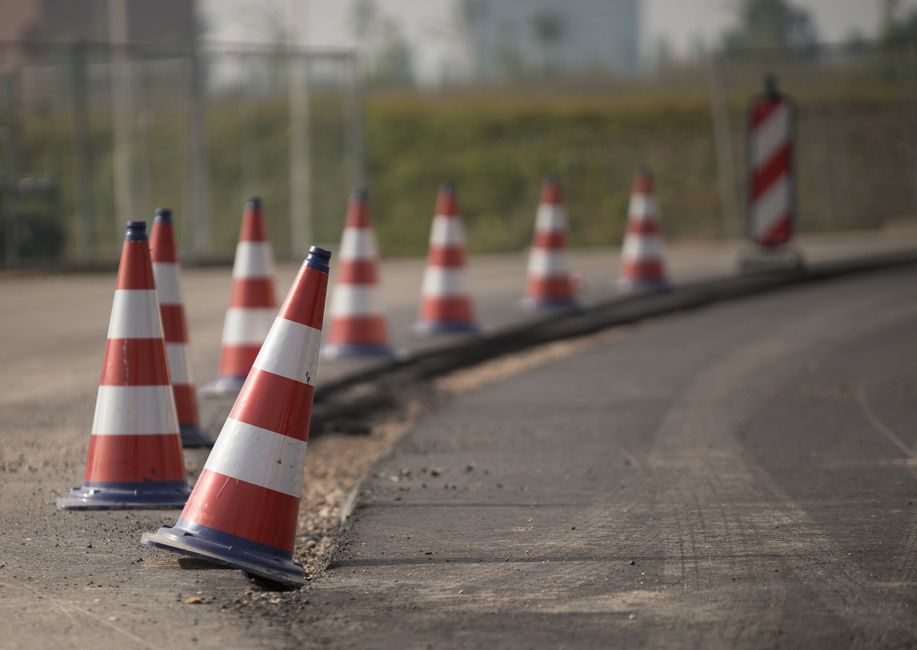
Traffic management plans with real teeth. A document that describes a segregation arrangement is not the same as a segregation arrangement that actually exists on the ground. Inspectors walk the site and compare what the plan says with what they can see. If your banksman is also doing other tasks, if your barriers have been moved to allow plant through and not replaced, if your exclusion zones exist only on paper, you have a problem.
Competency of personnel managing plant movements. Who is directing the reversing vehicle? Do they have specific training for that role? Are they in communication with the operator? These are not trick questions. They are the first things an inspector asks after a reversing incident, and the answers tend to be uncomfortable.
Evidence that the risk assessment was live. A risk assessment written during the tender phase and not revisited when site conditions changed is nearly useless as a defence. Roadworks sites change daily. Ground conditions shift. Traffic volumes change. New subcontractors arrive with different vehicles and different habits. Your risk assessment needs to reflect the site that exists today, not the site you imagined when you priced the job.
The Machinery Side of the Problem
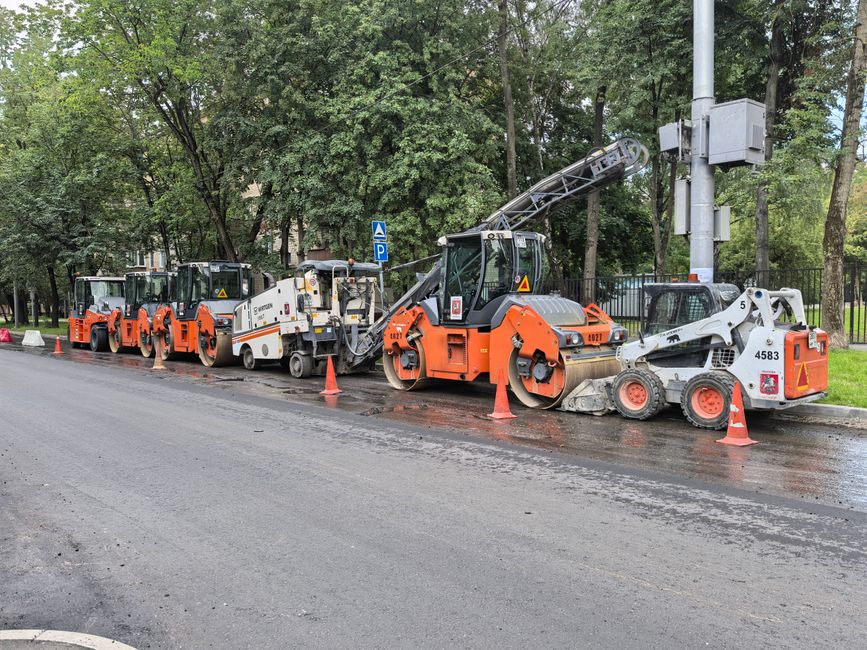
Reversing plant at roadworks covers a wide range of equipment. Road rollers, dumpers, milling machines, excavators working in tight corridors. All of them have significant blind spots. All of them are disproportionately lethal in reverse. If you want to understand the pattern behind machinery incidents and the engineering failures that lead to convictions, the Whitemountain case fits a very recognisable template.
Proximity warning systems, cameras, and audible alarms are controls, not solutions. A camera that nobody watches because the operator is focused on the work in front is not a functioning control. Technology only works when the system of work is designed around it. The design of the system is the employer's responsibility.
What "Duty of Care" Means in Practice at €1.2M Scale
Duty of care is not a sentiment. It is a legal obligation that travels up the management chain. The prosecution of Whitemountain Quarries was against the company, not just a site supervisor or a machine operator. That is deliberate. The HSA's position is that safety failures at this scale reflect organisational decisions, not individual moments of inattention.
The courts have been clear that the size of the fine should reflect both the seriousness of the harm and the capacity of the organisation to pay. Whitemountain is a substantial commercial operation. The €1.2 million fine was calibrated to that reality. A smaller contractor facing a similar conviction would face a proportionally significant penalty relative to their turnover.
For directors and senior managers, this matters because personal liability under the 2005 Act runs parallel to company liability. A company conviction for an offence committed with the consent or connivance of a director can result in that director being convicted separately.
What You Need to Do Before the Next Inspection
Audit your traffic management plans against the physical reality of your current sites. Walk the route a reversing vehicle takes. Stand where a worker on foot might stand. Ask whether you would be comfortable explaining that arrangement to a Circuit Court judge.
Review your banksman and traffic marshal arrangements. Check that the people doing those roles have received documented training and that the training covers the specific plant types operating on your site. Generic manual handling training does not count.
Confirm that your risk assessments have been reviewed within the last 30 days on active roadworks sites. If the site has changed and the assessment has not, update it today. Date it, sign it, make sure the relevant supervisors have seen it.
Check that all plant operating on your sites has functioning proximity warning and camera systems. Verify the systems are operational, not just present. There is a meaningful difference.
Document everything. Not because documentation protects you if something goes catastrophically wrong, but because the absence of documentation is treated by the HSA as evidence that the controls did not exist.
The Whitemountain conviction is not a warning shot. It is the new standard. The question is whether your site is ready to be inspected tomorrow.