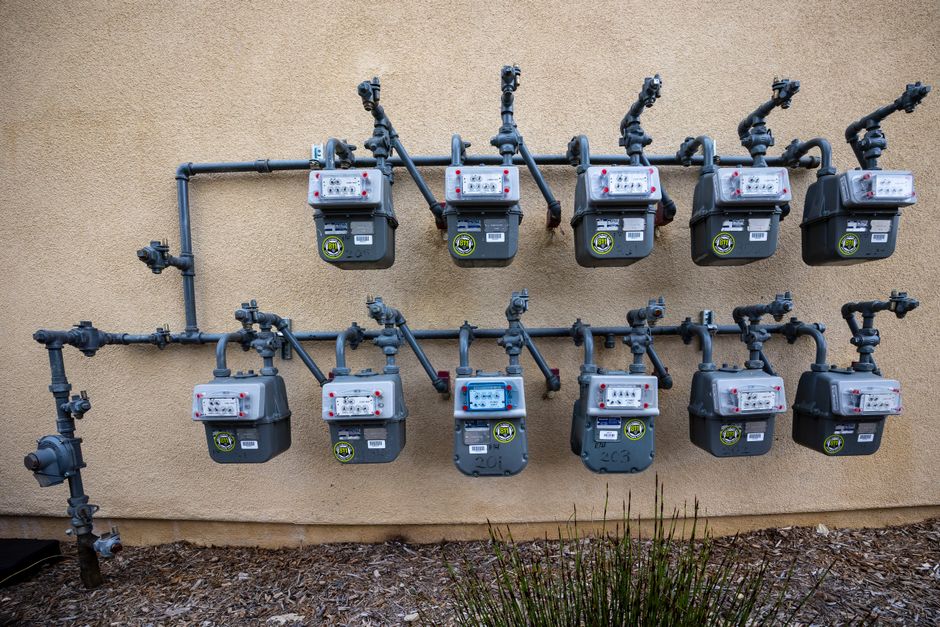
Carbon monoxide has no smell. No colour. No warning. And the person who just connected your boiler may have no qualifications either.
Seventeen prosecutions for unregistered gas work have been recorded in Ireland this year. That figure represents cases where someone was caught, investigated, and brought before a court. It says nothing about the work that passed undetected, the boilers humming away in houses with joints that will never hold, or the flues venting into roof spaces instead of open air. Illegal gas work is not a niche problem. It is happening in suburbs, on housing estates, in the kind of rental properties where nobody asks too many questions.
Why Unregistered Gas Work Is So Dangerous
Gas installation and servicing in Ireland is regulated under the Energy (Miscellaneous Provisions) Act 2012. Only registered Gas Networks Ireland (GNI) approved contractors are legally allowed to work on gas installations. This is not a box-ticking exercise. It exists because a bad electrical job might trip a fuse. A bad gas job kills a family.
The failure modes are specific. Incorrect pipe joints cause slow leaks. Poor flue connections allow carbon monoxide to build up in living spaces. Undersized pipe runs cause incomplete combustion. None of these announce themselves. A family goes to bed and does not wake up. Coroners record it. Statistics absorb it. The man who did the work has already been paid.
The economic logic for rogue traders is obvious. A registered contractor carries insurance, pays for ongoing training, submits commissioning certificates, and operates under threat of losing their registration. An unregistered one carries none of that overhead. They can undercut on price and the customer, who has no way of knowing the difference, takes the cheaper quote.
What Registration Actually Means
In Ireland, gas installers must be registered with Registered Gas Installers of Ireland (RGII). This is the body appointed by the Commission for Regulation of Utilities to maintain a register of competent gas installers. Every registered installer has a unique registration number. Every job they complete should generate a certificate of completion. You should receive that certificate. If you do not, something is wrong.
RGII registration means the installer has passed assessed competency checks, carries appropriate insurance, and works to the current Irish Standard IS 813 for domestic gas installations. IS 813 is not optional guidance. It is the technical standard that defines what a safe installation looks like, covering everything from pipe sizing to ventilation requirements to commissioning procedures.
A certificate of completion is a legal document. Keep it. You will need it if you ever sell the house, claim on a home insurance policy after a gas incident, or want to prove to a coroner's inquest that the work was done properly.
How to Check Before You Hire Anyone
The RGII maintains a public register at rgii.ie. You search by name, company, or registration number. It takes thirty seconds. Do it before you agree to anything.
Ask any tradesperson you are considering to give you their RGII registration number before they quote. A legitimate installer will produce it without hesitation. Watch for these specific deflections: "I've been doing this for twenty years," "I'm registered with Gas Networks," "I have all the certs back at the office." None of those are RGII registration numbers.
Check the following before any work starts:
Their RGII registration is current. Registrations expire. Check the date on the register, not just whether the name appears.
They will issue a certificate of completion. Ask this directly, before they start. If they hesitate, or say it is not necessary for a small job, walk away.
They carry public liability insurance. Ask to see evidence of it. A reputable contractor will have no problem with this.
Their quote is not suspiciously cheap. If a boiler service quote is forty percent lower than everyone else's, ask yourself what has been removed from the job to get there.
They are not being paid cash only. Cash only is not automatically illegal, but combined with other warning signs it tells you something.
The Red Flags in Plain Sight
Rogue traders rely on customers not knowing what normal looks like. Here is what normal looks like.
A legitimate gas installer will arrive with the appropriate tools for commissioning, not just for fitting. They will check gas pressure, test for leaks, verify flue integrity, and record readings. They will ask you to sign the commissioning record. They will leave you with paperwork.
A rogue trader often skips commissioning entirely. They fit the appliance, light it, and leave. No pressure checks. No flue assessment. No paperwork. If the installer is gone in twenty minutes and hands you no documentation, the job is not finished. It may not be safe.
Watch for work done on a Sunday afternoon by someone a neighbour recommended, with no company name on a van, no written quote, and payment expected before they leave. That combination has appeared in prosecution files more than once.
What Landlords Need to Understand
Landlords carry specific legal obligations around gas safety in rental properties. Under Irish tenancy law, landlords must ensure that gas appliances, fittings, and flues are maintained in safe working order. That means annual servicing by a registered installer, with documentation retained. It does not mean asking a handyman to have a look.
If a tenant is harmed because of unregistered or substandard gas work in a rented property, the landlord faces civil liability, possible criminal prosecution under health and safety legislation, and involvement by the Health and Safety Authority. Unqualified gas engineers continuing to take on boiler work is not an abstract risk in the rental sector. It is a documented pattern.
The Residential Tenancies Board does not audit gas safety records, which means landlords who cut corners on this rarely face consequences until something goes wrong. By then, the consequences are not a fine. They are a coroner's report.
What to Do if You Suspect Illegal Work Has Been Done
If you have moved into a property and have no gas safety certificate for the installed appliances, treat the installation as unverified. Have it inspected by an RGII-registered engineer before you rely on it.
If you suspect someone is actively carrying out unregistered gas work, you can report it to RGII directly through their website, or contact Gas Networks Ireland. Reports are taken seriously. The seventeen prosecutions this year came from somewhere.
If you smell gas at any point, leave the building, do not use any electrical switches, and call the GNI emergency line on 1800 20 50 50. That number operates around the clock.
The entire system of registration, inspection, and certification exists because gas, handled poorly, does not give second chances. A rogue trader saves you a hundred euros. The risk they leave behind is not something that can be priced.
Check the register. Ask for the certificate. Keep the paperwork. That is the whole job.