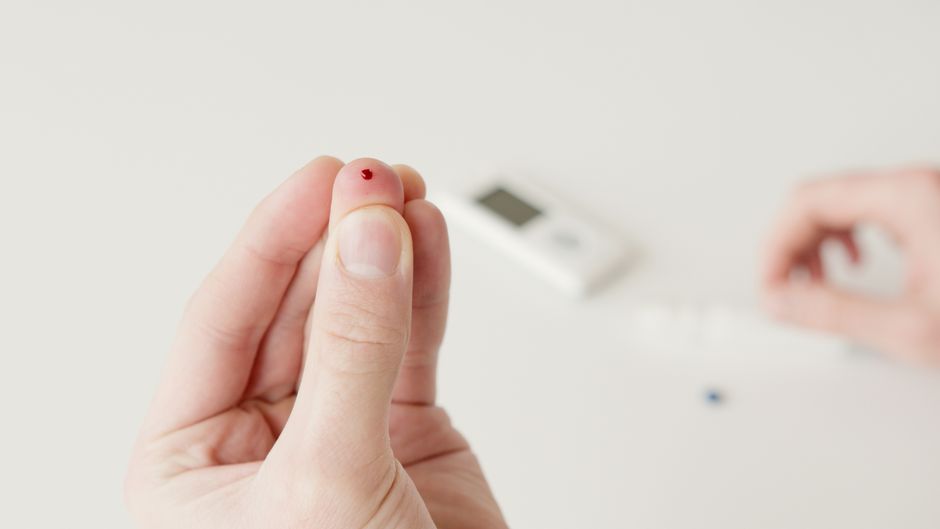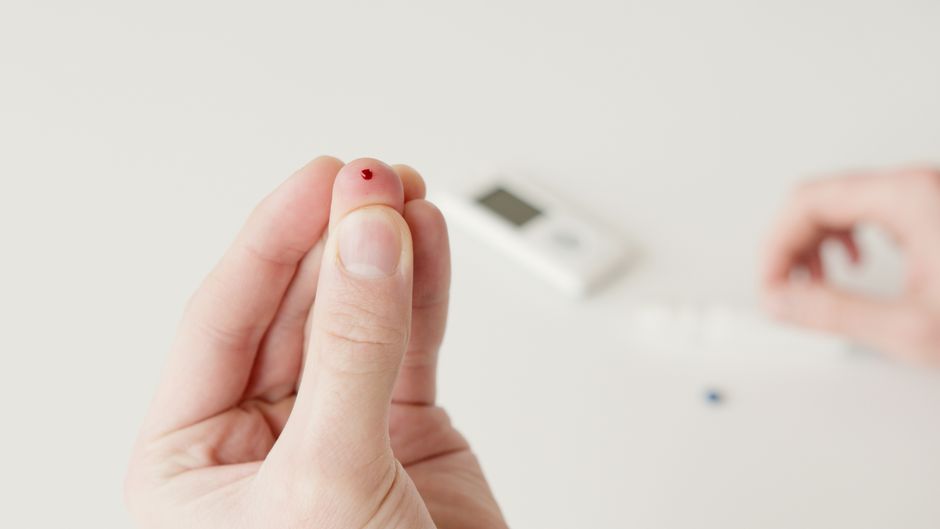
Around 225,000 people in Ireland have been diagnosed with type 2 diabetes. A meaningful number of them go through workplace health screening every year and walk away with no mention of flu vaccination.
That is not a minor administrative oversight. It is a structural failure in how occupational health programmes think about chronic disease.
Why Diabetes Changes the Flu Calculation Entirely
Flu is not a bad cold. For most healthy adults, it means a week off work and a lot of misery. For someone living with diabetes, it can spiral into something far more serious.
The reasons are physiological. Diabetes disrupts immune function. Elevated blood glucose creates an environment where viral replication is faster and the inflammatory response is harder to regulate. When the flu hits, blood sugar becomes unstable and difficult to control, which makes recovery slower and complications more likely.
The HSE classifies people with diabetes as a high-risk group for seasonal flu. They are entitled to a free flu vaccine. This is not new guidance. It has been in place for years.
And yet occupational health screenings routinely measure blood pressure, check BMI, run cholesterol panels, and hand out leaflets about hydration without ever asking: are you vaccinated?
What Routine Screening Actually Covers
Workplace health screening in Ireland varies enormously. Some employers run comprehensive programmes through occupational health physicians. Others buy an off-the-shelf package from a corporate wellness provider, which typically involves a nurse-led check at a pop-up station in the canteen.
What most of them share is a focus on the measurable and the immediate. Resting heart rate. Vision. Grip strength. The kind of metrics that produce a satisfying printout.
What they tend to miss is the intersection of chronic conditions and seasonal risk. A worker's HbA1c result might appear in their file from their GP, but that information does not flow to the occupational health screen. The person running the check does not know. They ask the standard questions and move on.
This is a wider pattern in occupational health provision in Ireland. Wellness programmes measure what is easy to measure and call it done.
The Respiratory Complication Risk Nobody Mentions
Diabetes does not just affect blood sugar. It affects the lungs.
Research consistently shows that people with type 2 diabetes have reduced lung function compared to those without the condition. The mechanisms are linked to chronic low-grade inflammation, microangiopathy affecting lung tissue, and changes in respiratory muscle strength. This means that when a person with diabetes contracts influenza, the respiratory reserve available to fight it is already compromised.
The flu can progress to pneumonia faster. Recovery takes longer. Hospital admission rates among people with diabetes who contract flu are substantially higher than in the general population.
Pneumonia and influenza together remain a leading cause of preventable hospitalisation in Ireland. The vaccine is not perfect, but in high-risk groups it cuts serious outcomes significantly. The CDC estimates flu vaccination reduces flu-related hospitalisations among adults with diabetes by around 79%. That is not a marginal benefit.
Why Occupational Health Screening Is the Right Intervention Point
A GP appointment is the obvious place to catch this. But GP access in Ireland is inconsistent. Many workers, particularly younger adults with well-managed type 2 diabetes, may see their GP once a year for a prescription review and nothing more.
The workplace is where these people spend most of their waking hours. It is where they are reachable. It is where, in many cases, they are already agreeing to a health check.
An occupational health screen that asks about chronic health conditions, identifies diabetes or other high-risk factors, and then actively signposts flu vaccination is not adding significant complexity. It is adding a question and a conversation.
That conversation matters more than it sounds. The HSE's free vaccination programme for high-risk groups is chronically underused. Uptake among people with chronic conditions consistently falls short of the targets set by the National Immunisation Advisory Committee. Part of the reason is that people simply do not know they are eligible, or they know in the abstract but nobody has ever looked them in the eye and told them to go and get it.
What a Better Screening Programme Looks Like
The fix here is not expensive or complicated.
An occupational health programme that is actually fit for purpose should include a chronic disease flag. If a worker discloses diabetes, cardiovascular disease, chronic respiratory conditions, or immunosuppression, the screen should trigger a vaccination status check as a standard step.
The check does not need to be clinical. It can be a single question: have you had your flu vaccine this year? If not, here is how to access it free of charge through the HSE.
That is it. No prescription required. No specialist referral. Just a programme designed to treat workers as whole people with health histories, not just blood pressure cuffs waiting to happen.
Employers running occupational health programmes should be asking their providers directly: does our screening include a chronic disease vaccination prompt? If the answer is no, or a blank look, that is a gap worth closing before flu season hits.
The Bigger Picture
Ireland has a National Influenza Vaccination Programme specifically designed to protect high-risk groups. It exists because the evidence for vaccination in those groups is strong. Diabetes is on the list. The vaccine is free.
The barrier is not cost or access. It is awareness, and the failure of the systems that touch these workers to make the connection.
Workplace health screening sits at exactly the right point to close that gap. It currently does not. That is worth fixing, and the fix does not require a policy overhaul. It requires someone to ask the question.
If your workplace runs annual health checks, ask the provider what happens when a chronic condition is flagged. The answer will tell you a lot about whether your programme is protecting people or just producing paperwork.