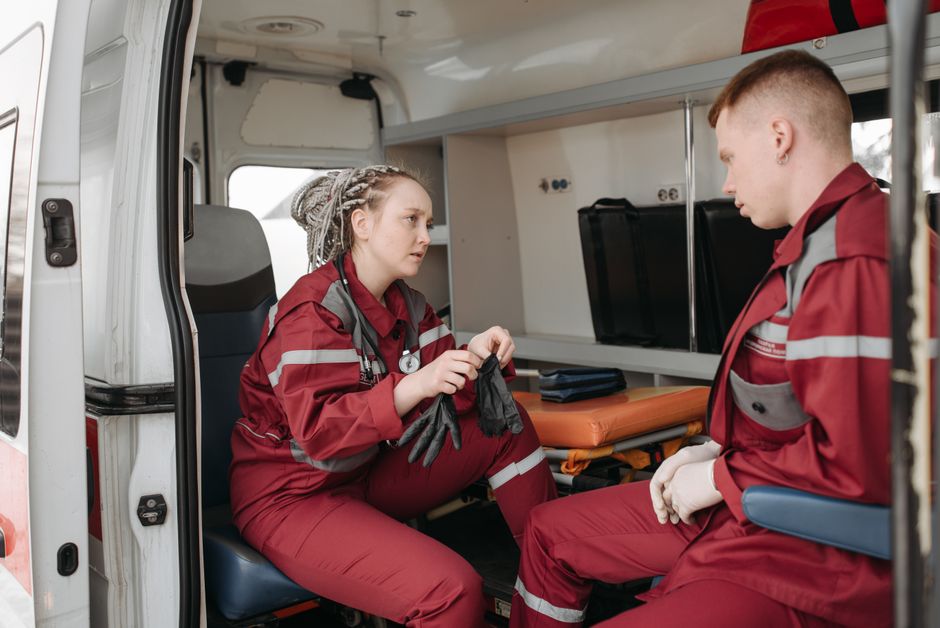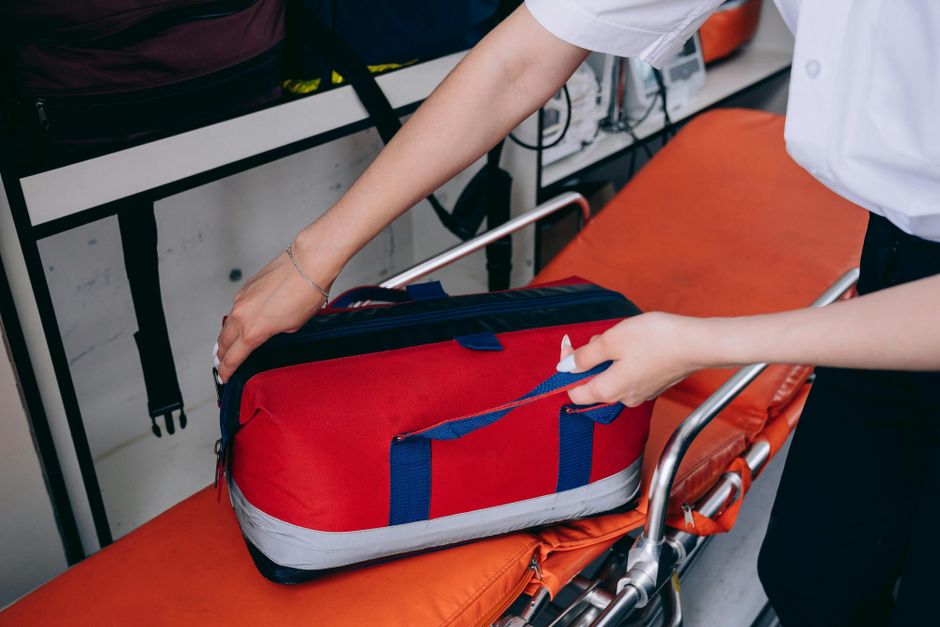
When the ambulance is 45 minutes out, the person bleeding on the ground does not have 45 minutes. That gap is yours to fill.
Rural construction sites and quarries operate in a different world from urban worksites. Not because the hazards are different, though quarry work brings its own category of serious injury, but because when something goes wrong, professional emergency response is a long drive away. Average rural ambulance response times in Ireland regularly exceed 30 minutes in remote areas. In some parts of the west and midlands, 45 to 60 minutes is realistic. A person with a severe arterial bleed can be dead in under five minutes without intervention. The numbers do not care about your proximity to the nearest town.
The legal baseline, the standard first aid kit specified under the Safety, Health and Welfare at Work (General Application) Regulations, is exactly that: a baseline. It was designed assuming help arrives quickly. On a Connaught bog road in January, that assumption falls apart. The kit requirement does not change based on your remoteness. Your judgment about what goes beyond the minimum absolutely should.
What Standard Kits Leave Out
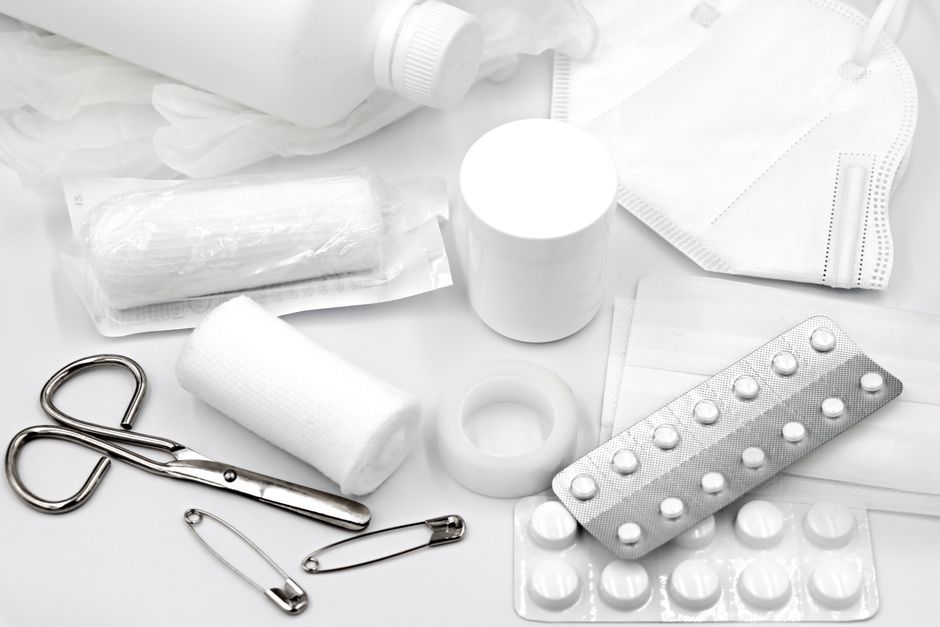
A compliant first aid kit for a site of 25 workers contains bandages, dressings, adhesive plasters, disposable gloves, and a face shield. That is appropriate when A&E is 10 minutes away. It is inadequate when you are managing a crush injury or a traumatic amputation at a quarry face.
Crush injuries and amputations demand more. Tourniquets, haemostatic gauze, and wound packing materials are not optional extras for remote sites. They are the difference between a colleague surviving the ambulance wait and not. CAT (Combat Application Tourniquet) or similar devices, applied within the first minute of a major limb bleed, have a documented survival impact backed by military and civilian trauma data. They cost around 30 euro each. They are not in your standard kit.
Beyond bleeding control, remote sites need:
Tourniquets and haemostatic dressings. Celox or QuikClot gauze for wounds where a tourniquet cannot be applied, junctional wounds to the groin or armpit for example.
Chest seals. Quarry blasting incidents, falls from height, and machinery impacts all carry risk of penetrating chest trauma. A vented chest seal buys time. They are small, cheap, and almost never stocked on Irish sites.
Trauma shears. You cannot assess an injury through a hi-vis vest and three layers of fleece. Heavy-duty shears that cut through clothing and boots take 30 seconds to use and are regularly absent from kits.
Rigid cervical collars. Falls and vehicle incidents carry spinal injury risk. Moving an unconscious casualty without cervical protection because you had no collar is a decision that turns a survivable injury into a fatality.
Foil emergency blankets, multiple. Hypothermia accelerates shock. Ireland in October is not warm, and a field in Roscommon is not a waiting room.
Blood glucose testing kit. Remote sites frequently employ workers with diabetes. A hypoglycaemic episode looks alarming, is easy to treat if you know what it is, and becomes a serious emergency if you do not.
Automated External Defibrillator (AED). Cardiac events happen on site. Quarry work involves physical exertion and vibration exposure over years. An AED with trained users collapses the survival cliff that comes with every minute of untreated cardiac arrest.
The Training Gap Is Bigger Than the Kit Gap
Stocking a trauma kit without trained people to use it is expensive decoration. This is where remote site safety plans routinely fail.
Standard occupational first aid training in Ireland covers CPR, wound management, and basic airway. It does not cover tourniquet application under pressure, haemostatic gauze packing, or chest seal placement. Those skills require specific trauma-focused training. Stop the Bleed courses are available in Ireland and take three hours. Severe bleeding management is a teachable skill. It is not being taught at the rate it should be.
On any remote site with more than a handful of workers, you need at minimum two people trained beyond standard first aid. One person can be incapacitated. One person may be the casualty. Redundancy is not bureaucracy, it is arithmetic.
Refresher training matters too. A first aider who qualified three years ago and has not practiced since will freeze when confronted with something genuinely serious. Muscle memory degrades. Scenario-based refreshers, running through a mock crush injury or a bleed-out drill, rebuild it.
Site-Specific Planning That Actually Works
The kit and the training sit inside a larger system. That system either functions or it does not.
Every remote site needs a written emergency response plan that includes the GPS coordinates of the site entrance. Eircode covers most of the country but not all temporary access roads. Giving an ambulance dispatcher a grid reference rather than a vague description of a turn after a crossroads saves minutes. Minutes matter.
Designate someone each day as the emergency coordinator. That person knows where the kit is, knows the local ambulance dispatch number (112 or 999), knows the site layout, and knows which route gets emergency vehicles to the work face fastest. Rotate the role. Brief it at the morning toolbox talk.
Mobile signal on rural sites is frequently poor or absent. Satellite communicators are no longer prohibitively expensive. A Garmin inReach or similar device costs a few hundred euro and can summon help from anywhere. Weigh that against the cost of a fatality, financial and human.
If your site is near water, that system needs to include drowning response. If you are cutting materials that carry chemical exposure risk, it needs to include chemical burn management protocols. The plan should reflect the actual hazards, not a generic template lifted from a desk-based office risk assessment.
The Turn
There is a version of remote site first aid that satisfies the inspector and fails the casualty. Signed training certificates, compliant kit, box ticked. And then something serious happens and nobody knows where the kit is or what to do with half of what is in it. That outcome is predictable and preventable.
The ambulance is coming. Your job is to keep someone alive until it gets there. Everything above is how you do that.