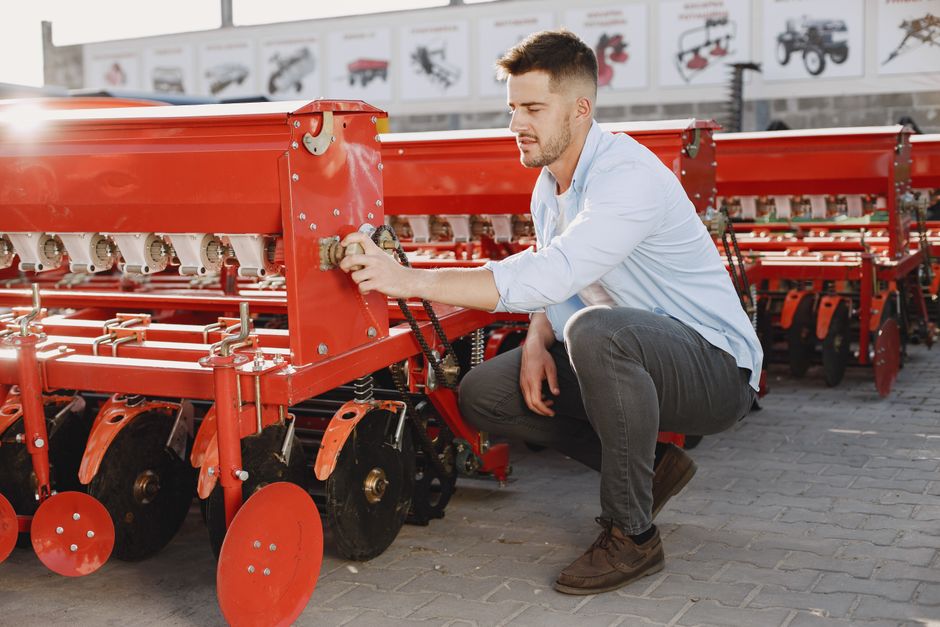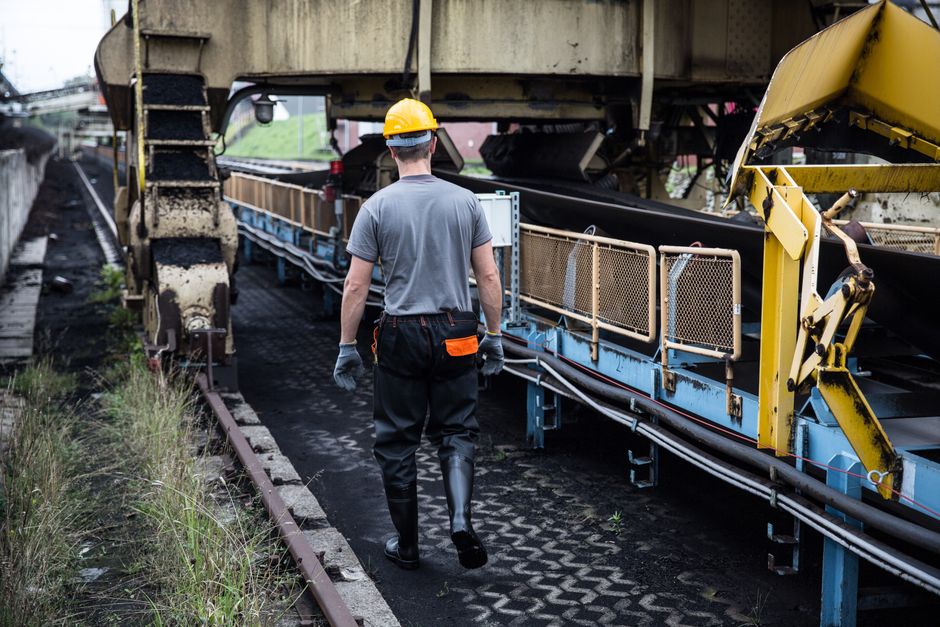
A conveyor belt. A pillar drill. A meat processing line. The machine changes. The injury does not. Neither does the fine.
The pattern across HSE and HSA prosecution records is impossible to ignore. Employers are paying six-figure penalties for guarding failures that a competent risk assessment would have caught in under an hour. The injuries are severe. Degloving, amputation, crush injuries to hands and fingers. And in almost every case, a guard either did not exist, had been removed, or was never adequate in the first place.
This is not a small-employer problem. Large food manufacturers, engineering firms, and processing plants are appearing in court alongside sole traders. What they share is not size. It is a failure to treat moving parts as the specific, documented hazard they are.
What the Convictions Actually Show
Look at cases from the past three years and a clear pattern emerges. The majority of successful HSE prosecutions for machinery injuries involve one or more of these failures: no fixed guard on a nip point, an interlock that had been defeated or bypassed, a risk assessment that named the machine but did not identify the specific hazard, and no system of work for clearing blockages near running parts.
That last one deserves attention. Conveyor belt injuries in food processing environments account for a disproportionate share of serious incidents. Workers reach into a running machine to clear a jam. Nobody told them to isolate it first. Or somebody did tell them, but there was no lockout procedure posted at the machine, no lock, no training record. In court, that absence costs somewhere between £80,000 and £400,000 depending on severity and jurisdiction.
Pillar drills and bench grinders show up repeatedly in light engineering and education sector cases. The drill chuck rotates at speed. There is no guard over the chuck or the drill bit. A sleeve, a glove cuff, a loose piece of stock catches and pulls a hand in. These are not freak incidents. They are textbook nip-point injuries on machines that have been used in workshops for decades and should have fixed guards as standard.
Where Risk Assessments Fail
The risk assessment document exists. That is not the problem. The problem is what it says, or does not say.
A generic statement like "pillar drill, risk: medium, control: PPE and training" fails on every level. It does not identify the nip point between the rotating chuck and the fixed table. It does not specify that loose clothing must not be worn. It does not require a fixed guard or explain why one is absent. And it almost certainly predates the last time someone was injured on that exact machine.
Courts look at risk assessments and ask a simple question: did this document identify the actual mechanism of injury that occurred? If the answer is no, the employer has already lost half the argument.
A useful machinery risk assessment names the specific danger zone, the specific operation that creates exposure, who is exposed and when, what the hierarchy of control demands, and what was actually installed. It references the machine's CE marking or declaration of conformity. It records inspection dates for guards and interlocks. It is reviewed after every near miss, not annually as a box-ticking exercise.
The Guard Removal Problem
Guards get removed for reasons that seem reasonable in the moment. The guard makes a job slower. The guard vibrates and makes noise. The guard was damaged and nobody ordered a replacement. The machine runs fine without it, as far as anyone can tell, until it does not.
Machinery repeat offenders appear in enforcement records more often than the public realises. Companies that receive improvement notices for guarding failures, fix them temporarily, then let standards slip again. The second prosecution is always more expensive than the first.
The fix here is not complicated. Fixed guards should require a tool to remove. Interlocked guards should cut power before the guard is open far enough to reach the danger zone. Any guard removal for maintenance or adjustment should trigger an isolation procedure, documented and followed. If someone can defeat your interlock with a cable tie and five seconds of effort, it is not a functioning safety device. It is theatre.
What a Competent Pre-Use Check Looks Like
A daily machinery check for guarding does not need to be long. It needs to be specific.
Check that all fixed guards are in place and secure. Check that interlocked guards operate correctly, meaning the machine stops when the guard opens. Check that emergency stop buttons are accessible and functional. Check that no temporary repairs have been made to guards, such as tape, wire, or improvised brackets. Record the check. Sign it.
That last step matters in court. A signed daily check sheet showing that the guard was present on the morning of an incident does not eliminate liability, but it shifts the conversation. It shows a system existed. The investigation then focuses on whether the system was adequate, not whether any system existed at all.
The Specific Machines That Keep Appearing in Court
Beyond conveyors and pillar drills, enforcement records show recurring problems with:
Band saws where blade guards are fixed too high, exposing several centimetres of blade below the cutting line. The guard is present. It is in the wrong position.
Horizontal milling machines where operators reach across the rotating cutter to position stock. No physical barrier prevents access to the cutter during operation.
Packaging machines where the in-feed nip point between rollers has no guard at all, because the original design assumed the operator would never put their hand near it during normal operation. That assumption is wrong in every production environment under time pressure.
Agricultural machinery brought into workshop settings, which frequently has no guarding at PTO shafts or drive belts because it was designed for outdoor use where entanglement with a fixed structure is less likely. In a workshop, the risk profile changes completely.
The Turn
Machinery guarding regulation in Ireland and the UK is not ambiguous. The Safety, Health and Welfare at Work (General Application) Regulations 2007 require that dangerous parts of machinery are guarded. The Provision and Use of Work Equipment Regulations in Britain say the same thing. The employers in the dock did not misread the law. They made a production decision, consciously or through neglect, that moving parts were an acceptable background risk.
The convictions do not change that culture on their own. What changes it is a risk assessment that forces someone to stand in front of the machine, name every point where a hand could be pulled in, and document what is physically stopping that from happening. Not a policy document. Not a training record. A guard, correctly fitted, inspected, and maintained.
The fine comes after someone is hurt. The guard should come before.