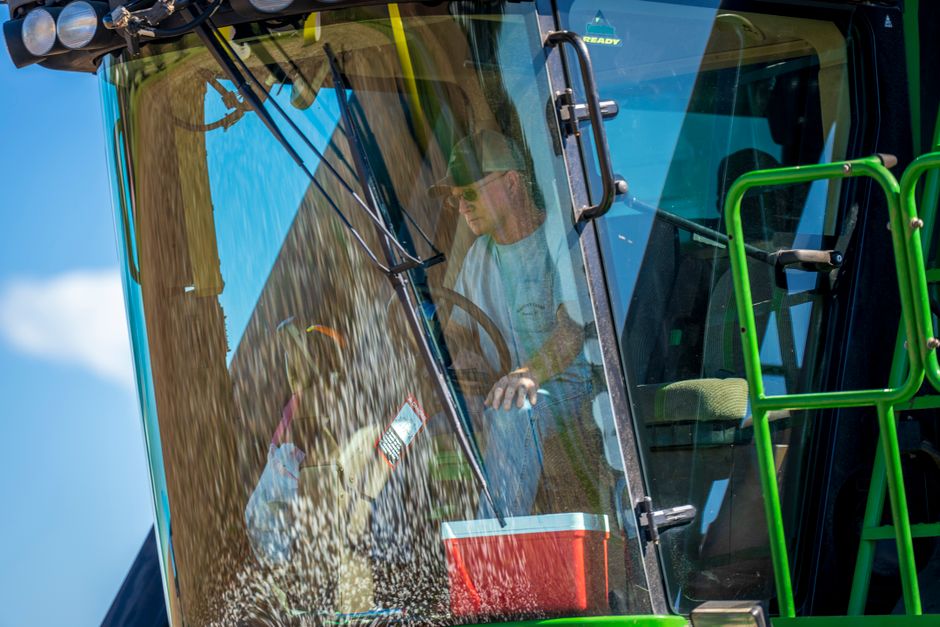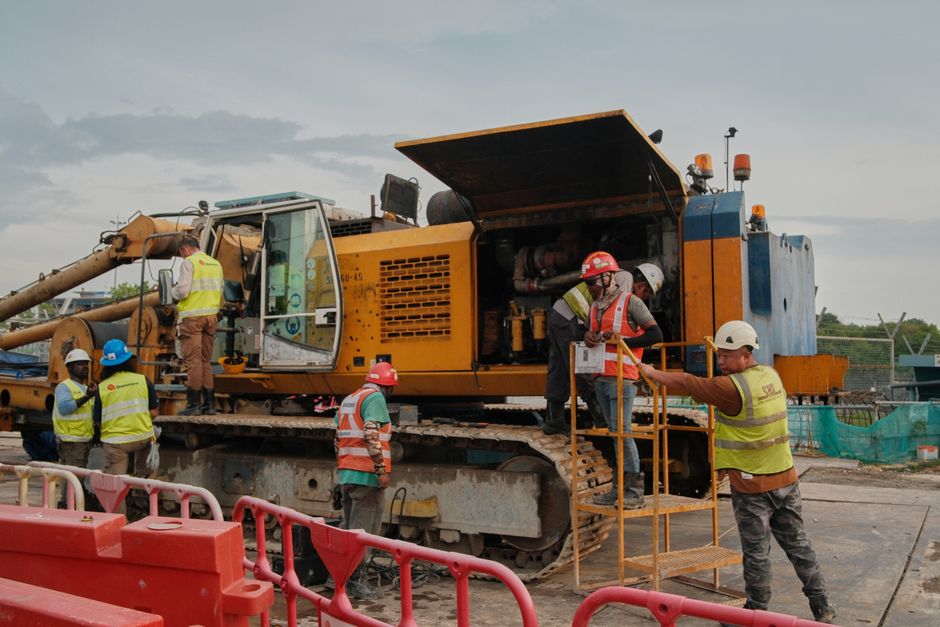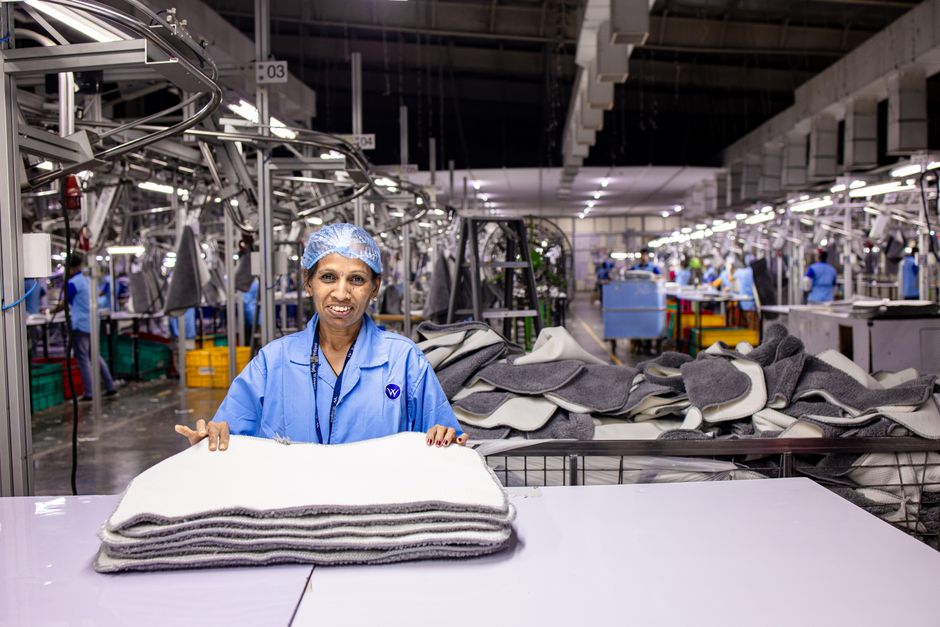
A metal fabrication worker reaches into a press brake to reposition a component. The machine cycles. He loses most of his thumb. The whole sequence takes less than a second. The legal and financial fallout takes years.
This is not a freak accident. It is the entirely predictable result of a pre-shift safety routine that existed on paper and nowhere else. The injury, the prosecution, the £48,000 in fines and costs: all of it traces back to decisions made, or not made, before anyone touched a machine that morning.
What the Numbers Actually Mean
The £48,000 figure comes from a UK prosecution involving a small fabrication firm. The injured worker had been with the company for eleven months. He had received manual handling training. The machine had guarding. None of that helped him, because the guarding had been partially disabled to speed up a previous job, nobody had checked it before the shift started, and no one had flagged the change in the risk assessment.
The fine was £25,000. Legal costs added another £15,000. Civil liability settlement brought the total past £48,000. The business had six employees. Do the maths on what that does to a company's year.
What the numbers do not capture is the worker's outcome. Partial thumb amputation means reduced grip, nerve damage, and in many fabrication roles, the end of that career. The psychological impact of a traumatic workplace injury runs long and deep, and the mental health cost of workplace injuries rarely appears on any invoice.
Where Fabrication Firms Get Pre-Shift Checks Wrong
The most common failure is not ignorance. It is delegation without accountability. Someone is nominally responsible for pre-shift checks. In practice, they do a visual sweep, sign the sheet, and get on with the work.
In fabrication environments, this matters more than in most sectors. Press brakes, guillotines, rollers, and angle grinders all require specific guard positions and interlocks to function safely. A guard that was moved yesterday to accommodate a custom job is not going to announce itself this morning. Only a physical check of each guard position, interlock, and emergency stop will catch it.
Three specific failures appear repeatedly in post-incident reports:
Guards checked for presence, not position. The guard is there. It is just not where it needs to be for the current workpiece. These are not the same thing. A pre-shift check that only confirms a guard exists is not a pre-shift check.
No link between shift checks and the job card. The morning check happens in isolation from what is actually being produced that day. If the job requires a different setup than yesterday, the risk profile changes. The check needs to reflect that.
Verbal handovers replacing written ones. Night shift tells day shift about a machine adjustment in passing. By the time the afternoon shift starts, nobody remembers. Anything that changes a machine's guard configuration needs to be in writing before the next operator touches it.
Manual Handling in Fabrication Is Not Just About Lifting
Manual handling training in most fabrication firms focuses on lifting technique, load weights, and back injury prevention. That is the easy part of manual handling training. The harder part is the interaction between workers and machinery during handling tasks.
In press brake work, the hazardous moment is often not the press stroke itself. It is the repositioning of the component between strokes, the reaching in to adjust alignment, the habit of holding a part steady while the operator's attention is on the control panel. These micro-movements become automatic over time. Automatic movements bypass conscious risk assessment entirely.
Training that covers lifting but ignores machine interaction during handling tasks misses the injury mechanism that actually gets people hurt in fabrication. The HSA's manual handling regulations are clear that training must cover the specific tasks workers perform, not a generic version of those tasks.
What a Functional Pre-Shift Check Actually Looks Like
A functional pre-shift check in a fabrication environment takes about twelve minutes if done properly. It covers four things.
First, machine state verification. Every guard is checked for presence and correct position for the first scheduled job. Every interlock is tested, not assumed. Emergency stops are physically pressed, not glanced at.
Second, job-specific hazard review. The day's job cards are pulled before anyone starts. If the first job requires a setup different from yesterday's configuration, that difference is noted and the risk assessment for that job is reviewed. Takes two minutes.
Third, overnight change log. Any changes made during previous shifts are recorded in a physical log at the machine. Day shift reads it before starting. Not optional. The worker who adjusted the guard last night is not always the person who needs to know about it most.
Fourth, a signed confirmation that is actually meaningful. Not a box-ticking exercise. The person signing confirms they physically performed each check, not that checks were generally done by someone at some point this morning.
The Management Failure Behind Every Operator Injury
The press brake incident happened because an operator reached into a live machine. That is the proximate cause. But the conditions that made it likely were created entirely by management decisions made days, weeks, and months before.
The guard was disabled to hit a production target. Nobody had authority to slow down for a safety check. The pre-shift checklist had never been updated after the guarding configuration changed. Training records showed the worker was covered. The actual training had not addressed the specific hazard that injured him.
When the HSE inspector arrived, none of those management failures were visible on the floor. What was visible was a worker who made a dangerous movement near a machine. The paper trail told a different story. It always does.
The company's safety statement said the right things. The risk assessment existed. The training box was ticked. Not one of those documents had been reviewed in fourteen months. For regulators and courts, a safety statement that has not been reviewed is evidence of neglect, not protection. It is, at best, a document that tells the story of a safer workplace that never existed.
The Fix Is Not a New Form
More paperwork does not solve this. What solves it is a fifteen-minute conversation at shift start, led by whoever runs the floor, covering three questions: what changed since yesterday, what does today's production require, and does every machine involved in today's work have its guarding in the correct position for that work.
That conversation, documented in a single line per machine, is worth more than a twelve-page safety statement that nobody reads. It creates accountability in real time. It catches the overnight adjustment that did not make it into the handover. It gives operators explicit permission to raise a concern before they start, instead of working around a problem because production is behind.
One second at a press brake. A career altered. A business fined into a difficult year. The intervention point was a conversation that should have happened that morning and did not.
The check costs nothing. The injury costs everything.