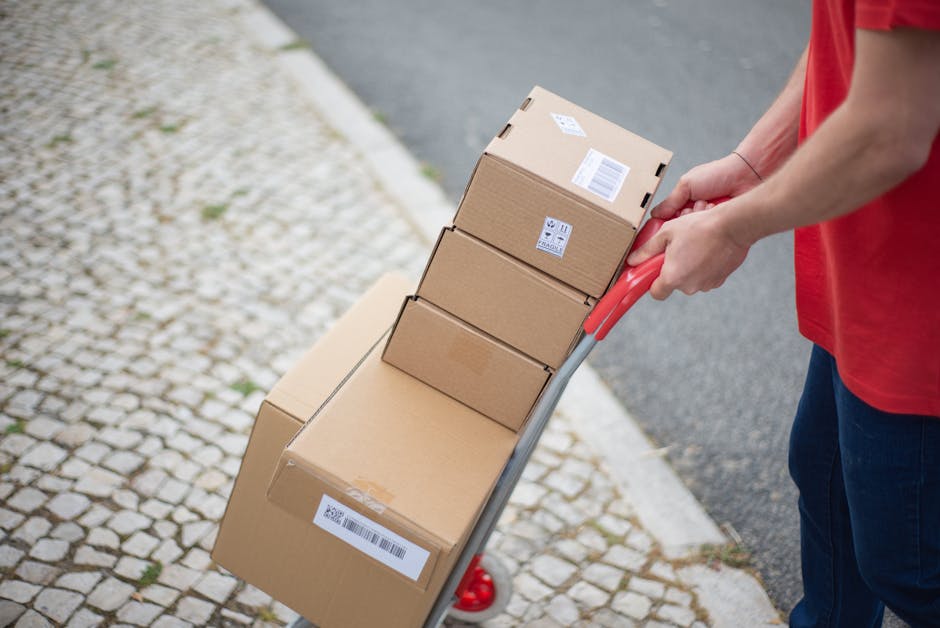
Back pain is Ireland's most expensive workplace injury that nobody talks about. It costs employers millions every year and it is almost entirely preventable.
Manual handling injuries account for roughly a third of all workplace accidents reported to the Health and Safety Authority annually. Sprains, strains, prolapsed discs, torn muscles. Injuries that do not make headlines but end careers, rack up sick days, and quietly drain productivity from every sector in the country. The fix is not complicated. The law is clear. Most employers just do not take it seriously until someone is off for six months.
What the Law Actually Says
The Safety, Health and Welfare at Work (General Application) Regulations 2007 set out the manual handling rules. Specifically, Chapter 4 of Part 2. Employers must avoid manual handling where there is a risk of injury. Where avoidance is not possible, they must assess the risk and reduce it. Training is part of reducing it.
There is no magic weight limit in Irish law. Forget the 25kg figure that gets repeated endlessly on building sites. The Regulations do not say 25kg is safe. They say you must assess the task, the load, the environment, and the individual. A 10kg awkward load handled on a ladder in the rain can be more dangerous than a 30kg box lifted cleanly from waist height.
The HSA can inspect your training records. If you cannot show documented training for workers who handle loads, you are exposed. A prohibition notice or an improvement notice is one site visit away.
Who Needs Manual Handling Training
The short answer is anyone whose work involves lifting, lowering, pushing, pulling, carrying, or supporting a load. That covers:
- Warehouse and logistics workers
- Healthcare staff moving patients and equipment
- Retail workers stacking shelves
- Construction workers handling materials
- Office workers who think they are exempt because they occasionally shift boxes
The office worker point matters. People who handle loads infrequently are often more at risk because they have no technique and no awareness that what they are doing is even a hazard.
Training is not a one-time event. If a worker's role changes significantly, if they return from a long absence, or if a new risk assessment flags different hazards, you train again. There is no fixed statutory refresher period written into Irish law, but the HSA expects employers to keep training current and relevant. Every three years is a common interval. Every year for higher-risk roles is better.
What Good Training Actually Looks Like
A slideshow about bending your knees is not training. It is wallpaper.
Good manual handling training starts with the specific tasks workers actually do in that workplace. Not a generic demonstration using a cardboard box in a training room. A healthcare worker moving a bariatric patient needs different instruction than a warehouse operative loading pallets. Treating them the same is lazy and ineffective.
The core components of a proper session:
Risk assessment principles. Workers need to understand how to spot a hazardous handling task before they attempt it. The load weight, shape, and stability. The distance to be carried. The posture required. The environment, floor surfaces, lighting, space.
Technique for the actual job. Proper lifting mechanics explained and demonstrated, then practised by participants with the actual loads or realistic equivalents from their workplace.
Mechanical aids. Workers must know what aids are available, where they are kept, and how to use them. A sack trolley that nobody knows exists is not a control measure.
When to stop and ask. Workers need to feel comfortable flagging a task that is beyond safe manual handling. That is a culture question as much as a training question.
The trainer matters. Qualification varies across providers in Ireland. The minimum standard most organisations accept is a QQI Level 6 Certificate in Manual Handling Instruction. For complex environments like healthcare or construction, more specialist knowledge is worth paying for.
Sessions should be kept small enough for everyone to practise. Six to twelve people is a workable group. Twenty people watching one demonstration and signing a sheet is not training.
The Numbers Behind the Argument
The HSA's data consistently puts manual handling as the leading cause of workplace injury in Ireland. Healthcare is the worst affected sector, followed by wholesale and retail, then construction and manufacturing. The injuries cluster around the back, shoulders, and upper limbs.
Lost time injuries from manual handling cost the Irish economy an estimated €500 million annually when you factor in sick pay, reduced productivity, and replacement staff. That figure comes from HSA economic analyses and it does not include the personal cost to the worker who now has a chronic back condition at 35.
The enforcement picture is tightening. Fines for workplace safety failures in Ireland have increased significantly in recent years, and manual handling compliance sits alongside machinery, chemical, and PPE requirements on every inspection checklist.
Documentation You Need to Keep
Training records should show the worker's name, date of training, content covered, and the trainer's name and qualification. Keep these for the duration of employment and ideally for several years after. If a worker makes an injury claim years down the line, you need to show you trained them adequately.
Risk assessments for manual handling tasks must be written down where five or more employees work together. Even where that threshold is not met, having written assessments is straightforward protection.
The Bit Employers Get Wrong Most Often
They train once at induction and never again. New systems of work arrive, loads get heavier, the workforce ages, and the training sits in a file from 2019. That is not compliance. That is documentation of a process that no longer reflects reality.
The other common failure is not involving workers in the risk assessment. The person who has been doing a job for three years knows exactly where the awkward lift is. Ask them. They will tell you things that would never occur to someone walking the route once with a clipboard.
Manual handling training is not complicated or expensive. It is one of the clearest examples in occupational health where a modest investment prevents genuinely serious harm. The injuries it prevents are not dramatic but they are life-altering. That should be enough.
Train the people. Keep the records. Review when things change. Everything else is detail.