A worker in Wolverhampton lost three fingers to an unguarded conveyor in 2023. The company was fined £180,000. The guard had been removed six months earlier and nobody put it back. That is not a freak event. That is a system doing exactly what a broken system does.
The UK Is Telling Us Something
The HSE in Britain publishes its prosecution outcomes in detail. Read through them and a pattern emerges fast. Unguarded nip points on conveyors. Exposed cutting heads on milling machines. Interlocks bypassed because production was running late. The injuries are amputations, deglovings, crush injuries that leave people with hands that no longer work. The fines run from £40,000 to well over £1 million depending on turnover. And in the worst cases, the directors go to prison.
Ireland does not have the same volume of published case data. The HSA prosecutes, and it does impose fines, but the granular detail you get from UK enforcement notices is harder to find here. What we do have is inspection data, and it points in an uncomfortable direction.
What HSA Inspectors Are Actually Finding
The HSA's sector-specific campaigns have repeatedly flagged machinery guarding as a live problem. In food processing, manufacturing, and agriculture, inspectors are finding guards removed, fixed guards not replaced after maintenance, and risk assessments that list guarding as a control measure but make no reference to how that control is actually verified. On paper the hazard is managed. On the floor it is not.
The legal framework is solid. The Safety, Health and Welfare at Work (General Application) Regulations 2007 require that dangerous parts of machinery are guarded by fixed guards where practicable, with interlocking guards as the next option, and with other controls only where those two options are not feasible. The hierarchy is not ambiguous. Fixed guard first. Always.
The problem is not the law. The problem is that guarding fails gradually. A guard gets removed to clear a blockage, the supervisor is under pressure, it does not go back on. A maintenance team replaces a motor and the interlock cable gets left disconnected. A temporary fix becomes permanent because nobody with authority walks past and asks why the machine looks different from last month.
The Industries Carrying the Most Risk
Food processing is the sector that comes up most often in both UK and Irish enforcement. High-speed conveyor systems, slicing equipment, mixing machinery. These are environments where guards are removed constantly for cleaning, and where the pressure to get the line back up is relentless. The injury profile matches: finger and hand amputations, often in workers who have been doing the same job for years and have simply stopped seeing the hazard.
Engineering and metal fabrication carry a similar profile. Milling machines, lathes, and grinding equipment are unforgiving. A caught sleeve or a moment of inattention with an exposed rotating part produces injuries that are permanent. When machinery maims, the question of whether interlocking guards were fitted and functional becomes central to any prosecution, and inspectors know exactly what to look for.
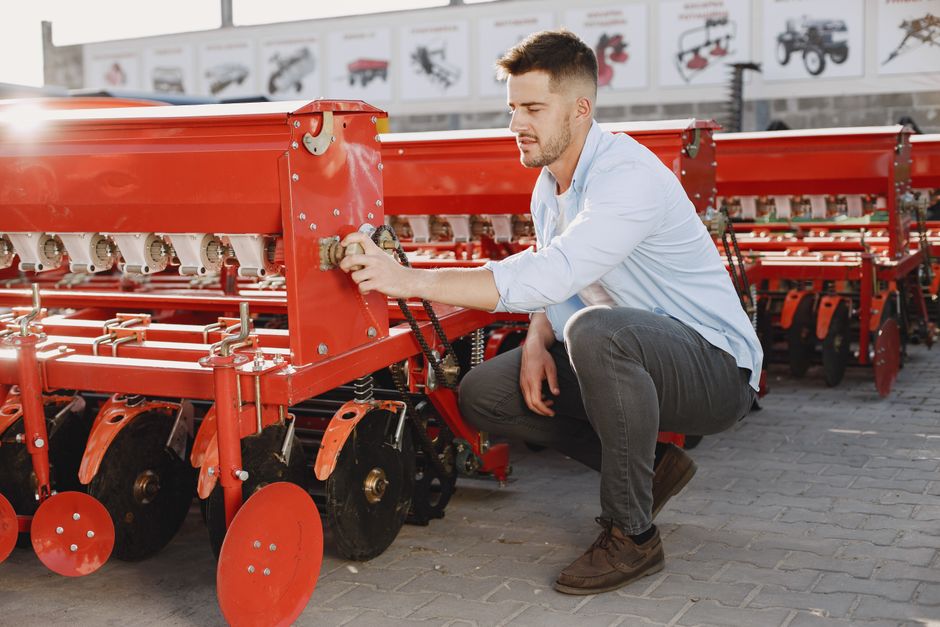
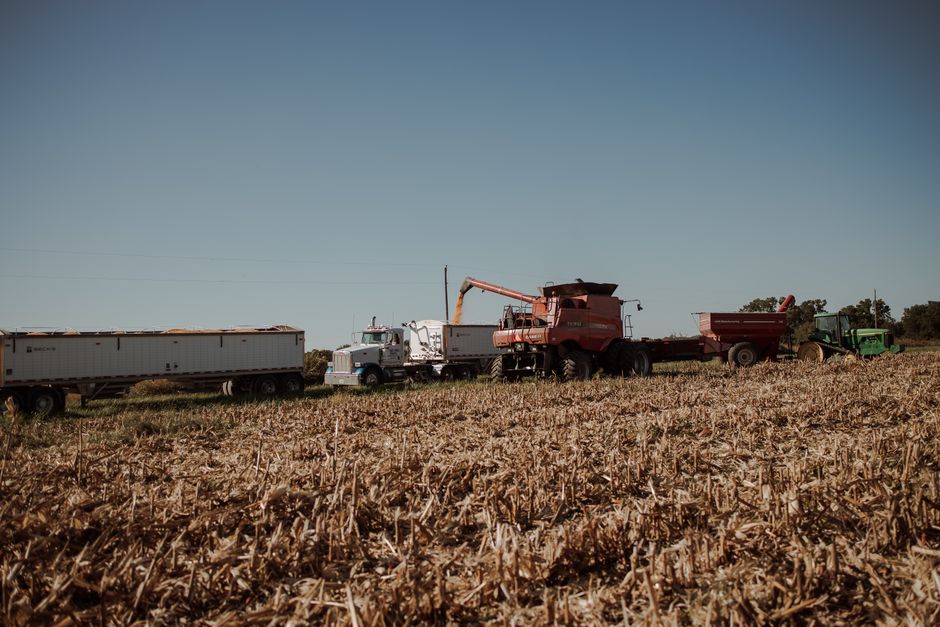
Agriculture sits in its own category. Older machinery, low inspection frequency, and a culture of getting on with it regardless. The HSA's farm safety campaigns have been explicit about PTO shaft guarding in particular. A bare PTO shaft on a tractor can kill in under a second. Many farmers know this. Some of the machines that are still running on Irish farms have not had functional guarding in years.
The Gap Between Risk Assessment and Reality
Most workplaces that have been through any kind of safety audit have a risk assessment document that mentions machinery guarding. That document is often accurate as of the day it was written. What it does not capture is what happened to the guard six weeks later.
This is where the UK cases are instructive. Prosecutors do not just ask whether a guard existed. They ask whether there was a system for checking that guards remained in place, whether that system was actually operated, and who was responsible for it. A risk assessment in a filing cabinet is not a defence. A maintenance log that shows guards were checked weekly, signed off, and acted on when faults were found, that is a defence.
The financial and criminal consequences of getting this wrong are not theoretical. Irish prosecutions have resulted in fines and convictions. The trend in sentencing, both here and in the UK, is toward holding individuals accountable, not just companies. A production manager who knew a guard was missing and did nothing about it is exposed. An operations director who set a culture where production targets consistently overrode safety concerns is exposed.
What a Competent Inspection Actually Looks Like
If you want to know whether your machinery guarding is genuinely controlled rather than just documented, walk the floor with someone who knows what they are looking at and ask specific questions. Not "are the guards in place" but "when was the last time this guard was removed, and what is the procedure for getting it back on correctly?" Not "is there an interlock on this machine" but "test it for me."
Check your maintenance records for any mention of guards being removed. Check whether your cleaning procedures for food processing equipment specify exactly which guards come off, in what order, and how they are verified as replaced before startup. If your procedures say "replace all guards before restarting" and do not name each guard, they are not good enough.
Look at your near-miss reporting. If nobody has ever reported a missing guard as a near miss, that is not evidence that guards are always in place. It is evidence that your reporting culture is not functioning.
The Lesson Ireland Keeps Not Learning
The UK cases are public. The patterns are clear. Unguarded machinery injures people in entirely predictable ways, at entirely predictable points in the production process, for entirely predictable reasons. Pressure on the line. Maintenance shortcuts. Guards that are awkward to replace and so do not get replaced. Supervisors who have normalised the deviation.
Ireland has the same machines. The same pressures. The same human tendencies.
The gap between a workplace that is genuinely safe and one that is one blockage-clearance away from an amputation is often a single functioning guard and someone with the authority to stop the line. Get the guard right, and give that person the backing to use it.