Most Irish employees have access to an Employee Assistance Programme and have never used it. Some don't know it exists. Some assume it's for people in crisis, not for them.
Both assumptions cost people.
What an EAP Actually Is
An EAP is a confidential support service, paid for by your employer, that gives you access to professional help outside of work channels. It is not HR. It is not your manager. It sits completely separate from your employment relationship.
In Ireland, most medium and large employers provide one through third-party providers like Spectrum.Life, Zevo Health, or Laya Healthcare's EAP division. If your company has more than 50 people and you've never heard of your EAP, check your staff handbook or ask HR for the number. It is probably there.
What It Covers
The range is wider than most people expect.
Counselling and mental health support is the core offering. You typically get six to eight sessions with a qualified counsellor or psychotherapist, either in person, by phone, or by video. No GP referral needed. No waiting list in the way you'd experience through the public system.
Financial and legal advice is included in most programmes. If you are dealing with debt, a family legal matter, or a tenancy dispute, you can call and speak with a professional. One call, no charge to you, no record of it going to your employer.
Management support is a strand that often gets overlooked. If you're a team leader dealing with a difficult team dynamic or a performance issue that's keeping you up at night, an EAP counsellor can talk you through it. That's what the service is for.
Critical incident response covers situations where something serious happens at work. A serious injury, a fatality, a traumatic event. The EAP can arrange group debriefing or individual support quickly. If you're a manager helping staff after a workplace accident, activating the EAP is usually one of the first practical steps available to you.
Lifestyle and health coaching rounds out most packages. Sleep problems, stress management, nutrition support. Variable by provider, but usually included.
How the Confidentiality Actually Works
This is where people get stuck. They assume the employer finds out. They don't use it.
Here is how it works in practice. When you call the EAP, you are contacting an independent provider. That provider operates under strict confidentiality. They do not report back to your employer about who called, what was discussed, or how many sessions were used. What your employer receives is anonymised, aggregated data. Something like "112 employees used the service this year." Nothing more.
There are three exceptions to confidentiality, and all reputable providers will tell you about them upfront. If you disclose that you intend to harm yourself, that you intend to harm someone else, or that a child is at risk, the counsellor has a duty to act. These are the same obligations that apply to any regulated mental health professional in Ireland.
Outside of those circumstances, the conversation stays between you and the counsellor. Your line manager does not know you called. Your HR department does not get a report. The file does not go in your personnel record.
Using It After a Difficult Incident at Work
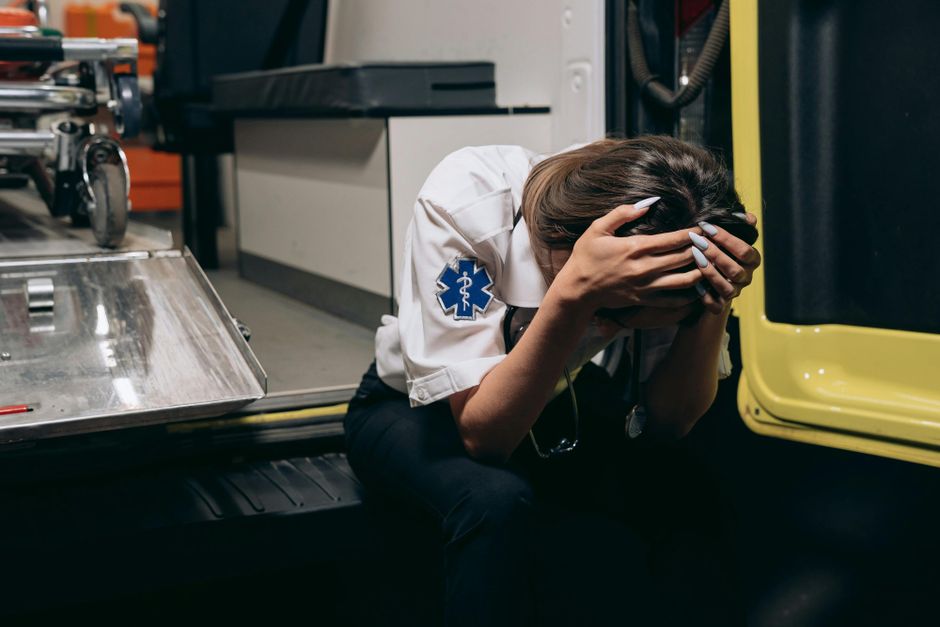
Say something happens. A near-miss. A colleague gets seriously hurt. You witness something you can't shake. You have a confrontation that leaves you rattled. You come home and can't switch off.
The EAP is exactly the right tool for this.
You don't need a formal diagnosis. You don't need to have reached a breaking point. You call the number, you explain that you've had a difficult experience at work and you'd like to speak to someone. They will arrange a session, usually within 48 to 72 hours for non-emergency cases, often the same day if it's urgent.
The counsellor will not contact your employer. They will not write to your GP unless you ask them to. They will not flag your name in any system your company can access.
If you're a manager and an incident has just happened on your site or in your team, you can contact the EAP provider directly to arrange a critical incident response. That typically means a trained professional coming in to offer structured group support and individual sessions to anyone who wants them. You don't need to wait for HR to approve it. Most EAP contracts allow managers to activate this directly.
Finding the Number
This should not be difficult, but it often is. Check these places in order.
Your employee handbook. The company intranet. The back of your payslip pack from onboarding. A poster in the staff kitchen, if your employer has bothered to put one up. If none of those work, ask HR for "the EAP contact number." You are not disclosing anything by asking. You are asking for a phone number.
If your employer doesn't have an EAP, the Samaritans (116 123) operate 24 hours a day and are free to call. The HSE's mental health support line is 1800 111 888. These are not the same as an EAP but they fill the gap.
The One Thing That Undermines EAPs
The programmes work. The confidentiality holds. The counsellors are qualified. What fails is awareness. Employers pay for the service and then mention it once in an induction pack in 2019 and never again.
If you are a safety officer or HR professional reading this, the utilisation rate on your EAP tells you something. If it's below 5%, your employees either don't know the service exists or don't trust the confidentiality. Neither problem fixes itself.
The number exists. Use it.