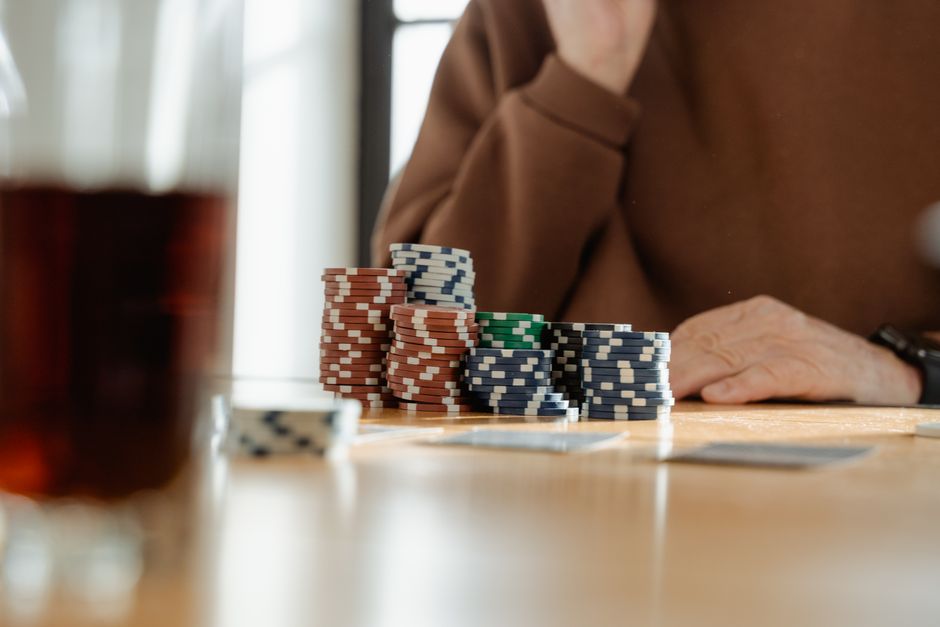
Gambling harms more people in Ireland than the conversation suggests. An estimated 40,000 people in Ireland have a serious gambling problem, and a further 100,000 are at moderate risk. Those numbers sit quietly behind a lot of ordinary-looking lives.
The good news, if there is any here, is that Ireland has finally built a proper regulatory and support structure around gambling. The bad news is that most people don't know it exists until they're already in trouble.
What Problem Gambling Actually Looks Like
The stereotype is a person who loses the house in one night. That's not how it usually works. Problem gambling tends to creep. It starts as entertainment, becomes stress relief, and somewhere along the way turns into something the person is managing around their whole life.
The early signs are mostly financial and behavioural. Watch for someone who seems preoccupied with gambling, talking about past wins or planning the next session more than the situation warrants. Borrowing money repeatedly, often with vague explanations. Missing shifts or arriving late with unconvincing excuses. Selling possessions. Mood that swings sharply after a weekend, particularly irritability or unusual anxiety on Monday mornings.
Chasing losses is the defining behaviour. Someone who bets to win back what they lost, rather than for enjoyment, is in a different category of risk. The chase tends to accelerate. The amounts get larger. The gap between what they can afford and what they're spending widens fast.
Secrecy is another flag. Using private browsing, keeping a second phone, becoming evasive about finances with a partner. These aren't just relationship problems. They're usually symptoms of a person trying to manage something they feel they can't disclose.
The New Irish Gambling Regulator
The Gambling Regulation Act 2024 established the Gambling Regulatory Authority of Ireland. The Authority is operational and has real powers: licensing, enforcement, the ability to block unlicensed operators, and oversight of a new Social Impact Fund that channels money into gambling harm research and treatment.
One of the more practical tools the Authority is developing is a national self-exclusion register. This means a person who wants to block their own access to gambling can do it once and have it apply across licensed operators, online and in-person. That is a meaningful change from the current patchwork, where self-exclusion has been operator-by-operator and easily worked around.
The Authority also has powers over advertising, including restrictions on gambling ads aimed at or likely to reach children and younger people. This is not window dressing. Ireland had one of the more permissive gambling advertising environments in Europe. That is changing.
Blocking Tools You Can Use Right Now
You don't need to wait for the national register. Several tools are available today.
Gamban blocks gambling websites and apps across your devices. It's not free but it costs roughly the price of a takeaway per month, and it's one of the more robust tools available. It's difficult to remove, which is the point.
GamStop is the UK's self-exclusion scheme. If you're using UK-licensed gambling sites, registering with GamStop bars you from all of them in one step. Many Irish people use UK-licensed operators, so this is relevant here.
Bank-level controls are underused. Most Irish banks allow you to block gambling transactions through your app or by contacting them directly. AIB, Bank of Ireland, and others offer this. It takes about five minutes and removes the moment-of-weakness problem.
Blocking on individual apps and accounts is worth doing even if you use other tools. Close accounts. Delete apps. Remove saved payment details. Friction matters. The harder it is to place a bet, the more space there is for a decision to intervene.
If the concern is about someone else, particularly a family member, talking directly to the support services below is the right first step. You can seek advice on how to approach the conversation without making it worse.
Free Support in Ireland
Gambling Care is the National Gambling Helpline, run by Extern Ireland. The number is 1800 936 725, and it's free, confidential, and available. They offer counselling, information for affected families, and referrals to specialist services.
Problem Gambling Ireland offers face-to-face counselling across a number of locations and also provides online appointments. The service is free and doesn't require a GP referral.
Gamblers Anonymous Ireland runs meetings in most counties. The format is peer support, which works for a lot of people who find clinical settings uncomfortable. Meetings are listed on the GA Ireland website.
Your GP is worth visiting regardless of what other support you access. Gambling disorder is a recognised condition and your GP can refer you to mental health services and community supports.
The Employee Assistance Programme is worth checking if your employer provides one. What an Employee Assistance Programme covers in Ireland is broader than most people realise, and EAP counselling sessions are confidential. Your employer does not get told what you discussed.
For anyone supporting a person with a gambling problem, GamAnon runs meetings specifically for families and partners. The impact on people close to a problem gambler is serious and often unacknowledged.
For Managers and Employers
Stress, spending, and mental health are linked in ways most workplaces don't engage with directly. Financial stress is one of the leading contributors to reduced concentration, presenteeism, and mental health deterioration at work. A person in the grip of a serious gambling problem is often managing significant debt, serious anxiety, and sleep disruption, all at once, while trying to function normally.
You don't need to diagnose anything. You don't need to ask about gambling directly. A manager who notices a change in behaviour, opens a conversation with genuine concern, and points toward the EAP has done their job. The rest is for the supports to handle.
The time to have that conversation is before the problem becomes a crisis.
Gambling harm is treatable. It responds well to the right support, early. Most people who reach out for help do recover. The barrier is usually the conversation that hasn't happened yet.