Every year around Halloween, ALONE puts out a warning about older people feeling unsafe at home. Every year, most people read it as being about kids banging on doors. It is not.
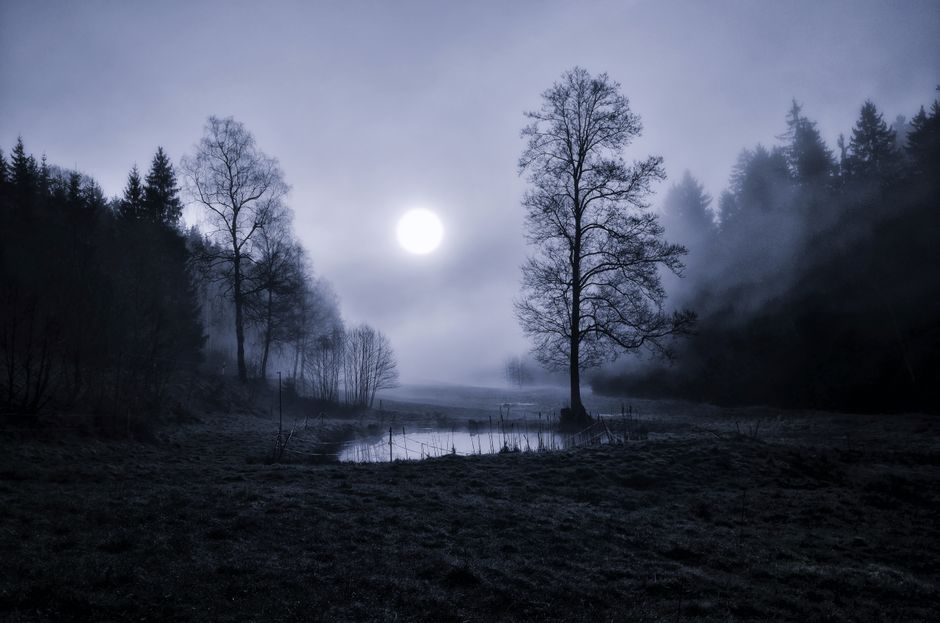
The real issue is what happens before, during, and after the knocking. An older person living alone who is anxious about Halloween night is likely anxious about a lot of nights. Halloween just makes it visible. The loud bangs, the strangers at the gate, the darkness arriving earlier, the sense that no one knows whether you are okay in there. That is not a one-night problem. It is a year-round vulnerability with a seasonal spike.
ALONE works with over 24,000 older people across Ireland, and their data is consistent: isolation amplifies every other risk. A person who is connected to their community can ask a neighbour to keep an eye out. A person who has drifted from that community cannot. Halloween concentrates the fear into a single evening, but the structural problem underneath it does not disappear on 1 November.
What "Feeling Unsafe" Actually Means
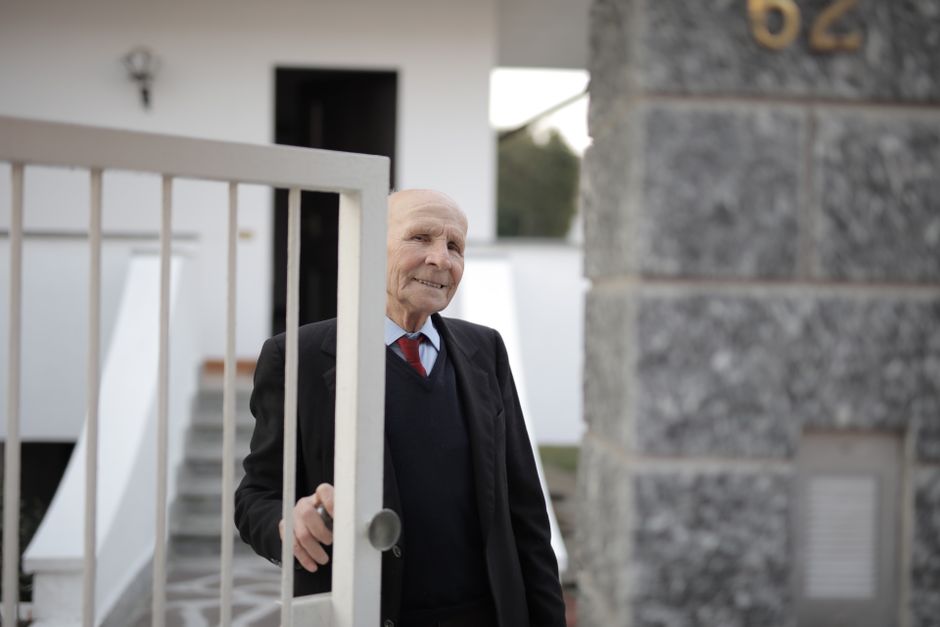
When older people describe feeling unsafe at home around Halloween, it splits into three distinct things. Physical risk is part of it, garden fires, fireworks landing on roofs, poorly lit approaches used by strangers. But the larger part is psychological: the dread of an evening with no plan, no contact, and no certainty that anyone would notice if something went wrong.
The third element is functional vulnerability. A person with mobility issues cannot quickly get to a door, assess who is there, and make a decision. A person with hearing loss may not hear a smoke alarm if something outside catches fire. A person with cognitive decline may open a door to anyone who knocks. These are not abstract concerns. They are specific, predictable failure points.
What Neighbours Can Actually Do
The most effective interventions cost nothing and take under ten minutes.
Check in before the evening starts. A knock on the door on the afternoon of 31 October, not to manage the person but to let them know you are around, changes the entire texture of the night. It means someone has seen them that day.
Tell them what to expect. If you know there will be a large group of kids coming to your end of the road between 7pm and 9pm, say so. Uncertainty is a significant driver of anxiety. Knowing "it will probably be noisy from seven until nine and then quiet" is genuinely useful information.
Offer a signal system. A simple arrangement, a light on means everything is fine, a light off means call in, works. It does not require technology or coordination. It requires two people agreeing on it in advance.
Do not assume someone else is doing this. The gap between "I assumed someone was checking on her" and "nobody checked on her" is where older people fall through.
What Community Groups and Residents Associations Can Do
Coordinate a quiet zone or early finish. Some estates have already moved to an agreed cutoff time for door-knocking, often 8pm. Older residents on those streets report significantly lower anxiety levels. It costs nothing to agree this and put a note through doors.
Run a register of vulnerable residents. This does not need to be a formal database. A local residents association can maintain a simple list of households that want a check-in on Halloween night. Three volunteers can cover a lot of ground in an hour.
Work with local schools. The schools sending children out that evening have a direct interest in those children behaving well. A five-minute conversation at a school assembly about not targeting houses with no lights on, not setting off fireworks near houses, and keeping noise reasonable is not a big ask.
What Local Councils Can Do
Councils have more levers than they typically use around Halloween. Street lighting schedules can be adjusted so that residential areas do not go dark early. Community welfare officers can flag vulnerable households to local volunteers. Parks and open spaces can be offered as designated gathering points to draw larger groups away from residential streets.
The more structural intervention is year-round lone worker safety thinking applied to vulnerable residents: identifying who is isolated, mapping the gaps, and building contact systems that do not collapse when a staff member goes on leave. Halloween is a useful deadline to audit whether those systems exist.
The ALONE Framework Worth Knowing
ALONE runs a support line at 0818 222 024. It operates year-round, not just at Halloween. What makes it relevant here is that it functions as a connective tissue: older people can call to report concern, and callers can flag a neighbour they are worried about.
The organisation also coordinates volunteer befriending programmes. If you have a genuinely isolated older person near you, connecting them to a befriending volunteer is a longer-term fix than a one-night check-in. It addresses the poverty-health link between isolation and deteriorating wellbeing that tends to compound quietly over years before it becomes a crisis.
The Specific Home Safety Checks That Matter
Beyond the social dimension, there are physical checks worth running before Halloween.
Smoke and carbon monoxide alarms should be tested now, not in January. Halloween bonfire season and casual fireworks use create a genuine fire risk in urban and suburban areas. An alarm that has not been tested in a year may not work.
External lighting matters more than people realise. A well-lit front approach reduces the chance of a fall when someone does need to come to the door. A motion-activated light costs around twenty euro and removes a real hazard.
If the person uses a personal alarm or pendant, check that it is charged and that the monitoring service has current contact details. These systems are only useful if they are set up correctly.
Letter box covers and door chains are worth checking. A letter box that opens easily can be used to look into a hallway. A door chain gives someone time to assess who is outside without fully opening the door.
The Bigger Picture
Halloween will pass. The isolation will not. The older person who was nervous on the 31st is probably nervous on many other nights too, just without the external trigger that makes it legible to their neighbours. The most useful thing Halloween does, from a community safety perspective, is make the problem briefly visible.
Use that visibility. Make the check-in a habit, not a one-off. The knock that takes thirty seconds on Halloween evening is worth nothing if it never happens again in November.