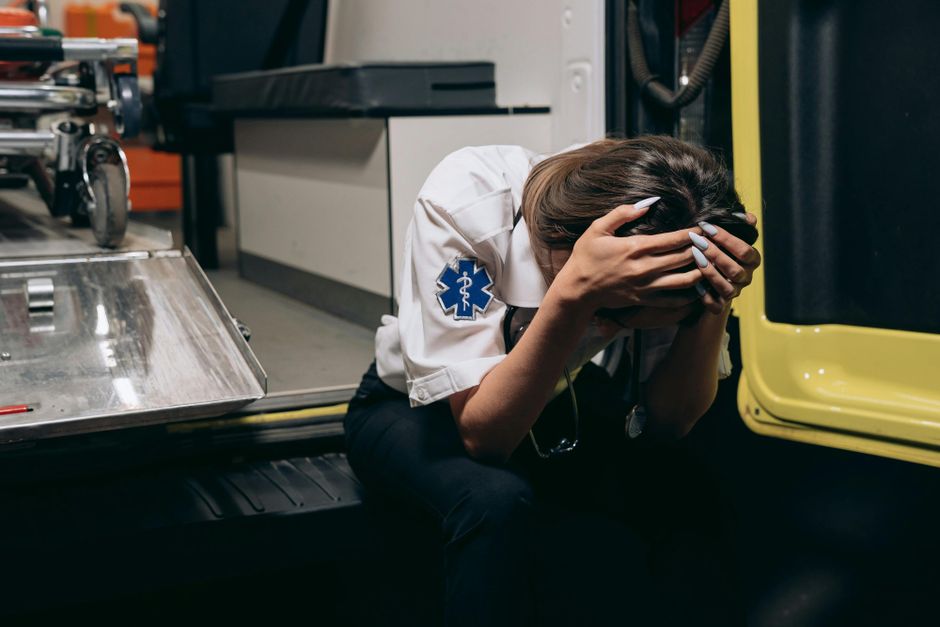
One punch. No warning. And your door staff, bar team, or floor manager is left dealing with the aftermath while your company discovers, at the worst possible moment, that it had a legal obligation it never fulfilled.
Alcohol Action Ireland is currently briefing the Oireachtas Justice Committee on unprovoked assaults linked to alcohol. The focus is on criminal law. But sitting quietly behind that conversation is a workplace safety question that most employers in hospitality, security, and nightlife have never seriously engaged with. The Safety, Health and Welfare at Work Act 2005 does not care whether the hazard arrives on two legs or comes from a machine. If the risk is foreseeable, you have a duty to assess it, control it, and prepare your people for it.
Most venues have not done that.
The Legal Exposure Nobody Is Talking About
Under Section 8 of the 2005 Act, employers must manage every foreseeable risk to employees. Violence from customers counts. It has counted since the Act came into force. The HSA's own guidance on workplace violence is explicit: physical assault by a third party is an occupational hazard, and employers in sectors where alcohol is served face a specifically elevated risk profile.
That means a risk assessment. Not a vague paragraph in a staff handbook. An actual documented assessment of the violence risk in your venue, what triggers it, when it peaks, and what controls you have in place. If you cannot produce that document and a person is assaulted at work, you are exposed. Full stop.
The duty extends to training. Your bar staff and floor team need to know how to recognise escalating aggression, how to disengage safely, and what to do in the immediate aftermath of a physical incident. If they have never received that training, the conversation with the HSA inspector after the fact will be uncomfortable.
What a Proper Violence Risk Assessment Looks Like
It is not complicated. It is just consistently skipped.
You need to record the specific hazards. Identify the times and locations in your venue where confrontations are most likely. Friday and Saturday nights between midnight and 2am. Near the smoking area. At the bar when last orders are called. These are known flashpoints and they belong in writing.
You assess the likelihood and severity. One-punch assaults cause traumatic brain injuries. That is a severity-5 outcome on any scale. The likelihood in a busy nightclub or late-bar is not theoretical.
You put controls in place and document them. That means staffing ratios, door supervision licensing under the Private Security Authority, CCTV coverage, defined refusal-of-service protocols, and a clear escalation procedure for when things go wrong.
You review it. If an incident happens and you have not looked at your risk assessment in two years, you will struggle to demonstrate that your controls were adequate.
The Gap Between the Security Industry and the Bar Team
There is a structural problem in most licensed premises. The door staff are PSA-licensed, have conflict management training, and operate under a relatively clear framework. The bar team and floor staff, who often absorb the first contact before security arrives, have almost none of that preparation.
A bartender who steps in when a customer becomes aggressive, or who is caught in the middle of a sudden assault, is working in a high-risk situation with no training for it. That is an employer failure, not a personal one. The 2005 Act covers all employees. The fact that your security contractor is properly trained does not discharge your duty to your own staff.
First Aid Planning Is Part of This
If a serious assault occurs on your premises, you need a first aid at summer events level of preparedness, even on a standard trading night. That means a designated first aider on every shift, not just someone who did a one-day course four years ago. It means knowing the nearest emergency department, the fastest route, and who calls the ambulance while who manages the scene.
One-punch injuries to the head are medical emergencies. Unconsciousness, seizure, and airway compromise can follow within minutes. If your venue's incident response plan is "call 999 and wait," you have a gap.
What the Justice Committee Conversation Misses
The criminal law framing around alcohol-related violence is important. Mandatory sentencing for unprovoked assaults, better enforcement around intoxicated service, improved street-level policing after 1am. These all matter.
But criminal law deals with what happens after. Workplace safety law deals with what you are required to prevent, or at minimum, mitigate. These are not the same conversation and they should not be treated as one.
Employers who wait for legislative change to fix this are misreading their current obligations. The duty exists now. Supporting staff after a workplace assault is also part of that obligation. Psychological harm following a violent incident at work is a recognised occupational injury. If your response to a staff member who witnessed or experienced an assault is to roster them on the following Friday and say nothing, you have failed twice.
The Three Things to Do This Week
One. Pull out your existing risk assessment and find the section on third-party violence. If it does not exist, write it. If it exists but has not been reviewed in the last 12 months, review it now.
Two. Check your staff training records. Can you demonstrate that your bar team, floor staff, and supervisors have received conflict de-escalation training? If not, source it. The HSA will ask.
Three. Brief your management team on post-incident procedure. Who does what in the first 30 minutes after a serious assault on premises. Who contacts emergency services, who secures the scene, who supports the affected employee, who notifies the employer's insurer, and who files the HSAI report if the injury is serious enough to require it.
The briefings happening in Leinster House right now are about the law that governs the person throwing the punch. The law that governs you is already written. It just needs to be applied.