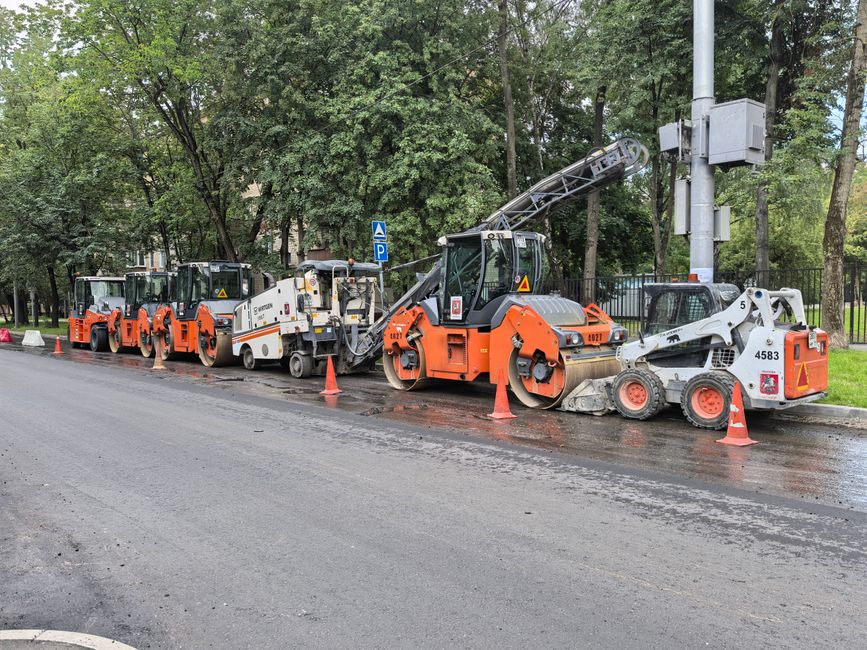
A road milling machine weighs up to 30 tonnes, spins a drum studded with tungsten carbide teeth, and can devour asphalt at a metre per second. A worker caught in its path does not get a second chance.
What Happened
The details are grim and familiar. A 32-year-old worker on an Irish road resurfacing project was struck by a cold planer, also called a milling machine, during active works. He lost his leg below the knee. The machine did not malfunction. The exclusion zone was not maintained. Nobody was watching the tail end of the machine when it reversed.
This is not a freak accident. It is a predictable outcome of predictable failures. The milling machine is one of the most dangerous pieces of plant on any road project, not because it is exotic, but because it operates in a compressed, chaotic workspace where vehicles, plant, and pedestrian workers occupy the same few metres of carriageway. The margins for error are measured in seconds.
The Machine Itself
A cold planer mills the surface layer of asphalt using a rotating drum fitted with picks. The drum sits low to the ground and is partially shielded, but the sides and rear of the machine offer poor visibility to the operator. The cutting depth can reach 300mm in a single pass. There is no version of contact with that drum that ends well.
The machine also generates significant noise, vibration, and dust. Workers wear hearing protection. That hearing protection reduces situational awareness. The machine is loud enough that verbal warnings are useless at close range. You cannot shout over it. You cannot hear the banksman if you are two metres to the left of the drum.
The Exclusion Zone Problem
Every safe system of work for milling operations specifies an exclusion zone. The standard is a minimum of 500mm clear on all sides of the machine while it is operating, with no pedestrian workers inside that zone unless the machine is stationary and isolated. That standard exists in writing in most safety statements. It is ignored on sites every day.
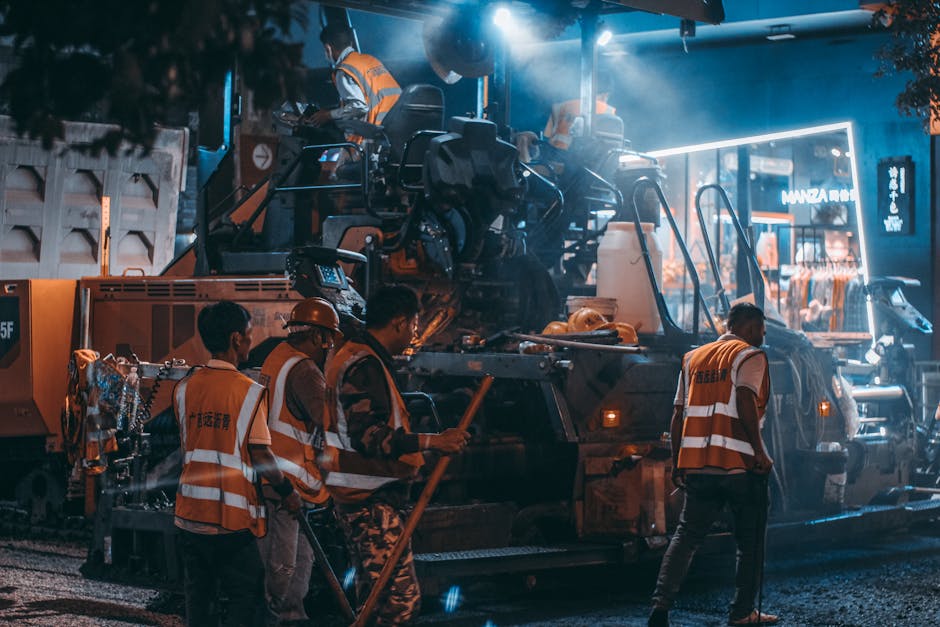
The reasons are mundane. The planings conveyor runs to a tipper truck alongside the machine. The truck driver needs direction. The kerb needs to be checked. Someone has to position the screed boards. Each of those tasks creates a reason for a person to be inside the exclusion zone, and each of those reasons feels justified in the moment.
Supervisors who let this drift happen are not malicious. They are under schedule pressure, operating on roads with traffic behind a contraflow, and making the same risk trade-off that has gone wrong on dozens of Irish sites. The outcome only changes when the exclusion zone is treated as a physical boundary, not a guideline.
A dedicated banksman for the milling machine is not optional on any active milling operation. That person does one job. They watch the machine, they watch the workers, and they stop the operation when anyone enters the zone. They do not direct traffic. They do not take phone calls.
Traffic Management Gaps
Road milling happens inside a temporary traffic management scheme. Those schemes are governed by Chapter 8 of the Traffic Signs Manual and the Roads Act requirements for works on public roads. They exist to protect both the travelling public and the workers inside the zone.
The failure point is almost never the scheme design. It is the execution over a twelve-hour shift on a wet Tuesday when the barriers have been nudged by a passing HGV and nobody has walked the setup in four hours.
Cargo loading and roadside incidents share this pattern. The system of work looks fine on paper. The site visit tells a different story. Supervisors need to physically inspect the traffic management layout at the start of each shift, after every significant break, and any time plant movements change the geometry of the works area.
The milling machine moves forward continuously. Every ten minutes, the exclusion zone has shifted position relative to the fixed barriers. Workers who were safely outside the zone twenty minutes ago can drift inside it without realising, because the machine came to them.
What Supervisors Are Actually Missing
A method statement for milling operations should address five specific things. Most address two or three.
Defined exclusion zone dimensions specific to the machine type and site geometry. Not a generic 500mm. The actual measured distance for this machine on this road width.
Named banksman role for the milling operation, separate from the traffic management marshal. One person, one job.
Plant isolation protocol before any worker enters the exclusion zone for any reason. Engine off, drum disengaged, keys out, operator off the machine and confirming isolation verbally.
Dust and visibility controls. Milling generates a significant dust cloud. Dust reduces visibility for both the operator and workers at the rear of the machine. Water suppression systems on the machine need to be checked and operational before works begin.
Shift handover briefings that are specific to the current position of the works, not a generic five-minute toolbox talk delivered at 7am. When the operation moves 200 metres down the road, the hazards change. The briefing needs to reflect that.
The Legal Position
Under the Safety, Health and Welfare at Work Act 2005 and the Construction Regulations 2013, the responsibility sits with the employer and the project supervisor for the construction stage. Safe system of work, trained and competent operators, adequate supervision. Those are the duties. They are not discharged by having a safety statement in a folder in the site office.
When a worker loses a limb on an Irish site, the Health and Safety Authority investigates. The investigation will look at whether the risk assessment identified the hazard, whether the control measures were adequate, and whether they were actually being followed. A method statement that nobody enforced is evidence against the employer, not for them.
The Turn
The technology to prevent this exists. Proximity warning systems that alert operators when a worker enters a set perimeter around the machine are available and affordable relative to the cost of a serious injury claim. Camera systems covering the blind spots at the rear of the drum are standard on newer machines. Radio communication between operator and banksman removes the noise problem entirely. None of this is complicated. The barrier is not knowledge. It is the decision to treat a road worker's limb as worth protecting before it is gone.
If your site is milling tonight, walk the exclusion zone yourself. Check the banksman knows his single job. Verify the isolation procedure is understood by every worker near that machine. Then check again at midnight when the fatigue sets in and the barriers start to feel optional.