Three people are dead. A company is €1.2 million lighter. And the roadworks industry in Ireland is staring at a new standard it cannot ignore.
The Whitemountain Quarries conviction is not a cautionary tale. It is a template for what happens when the gap between written safety procedures and actual site behaviour gets someone killed. The courts noticed. The Health and Safety Authority noticed. Now every roadworks operator in the country needs to notice too.
What Actually Happened at Whitemountain
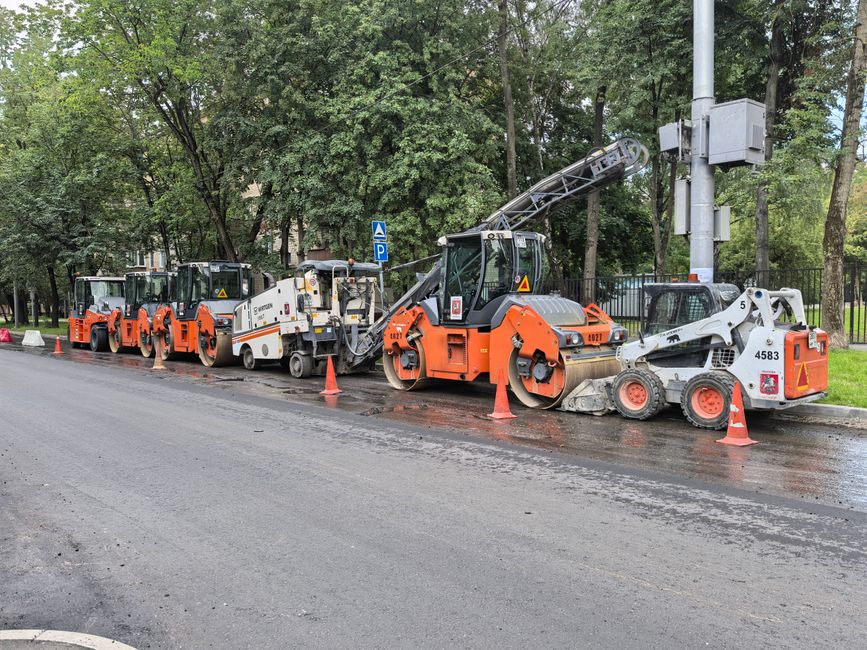
Whitemountain Quarries, a major quarrying and road surfacing contractor operating across Ireland and Northern Ireland, was convicted following three separate fatal incidents involving plant machinery. The company pleaded guilty. The fine of €1.2 million was one of the largest ever handed down for workplace safety failures in Ireland.
The incidents shared a common thread: workers in proximity to moving plant, inadequate segregation between pedestrians and machinery, and systems of work that looked fine on paper but fell apart on the ground. That gap between the safety statement and the reality of a busy roadworks site is where people die.
The machinery blind spots that characterise these incidents are not new. They are well documented. That is what makes the Whitemountain case so damning.
The New Standards Roadworks Operators Are Now Being Held To
The conviction has sharpened HSA enforcement expectations considerably. Here is what the authority is now looking for on active roadworks sites.
Segregation of Plant and People
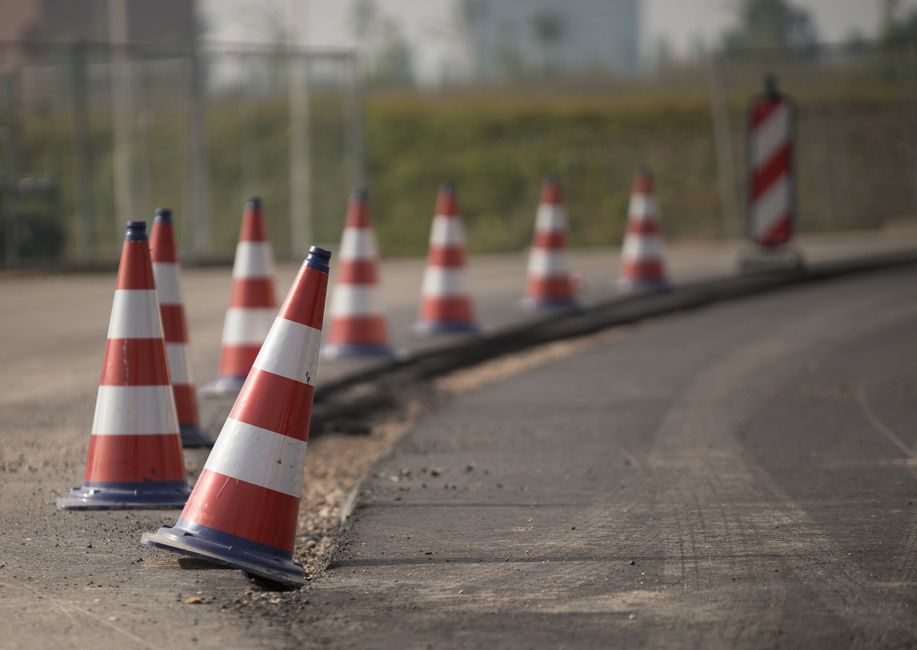
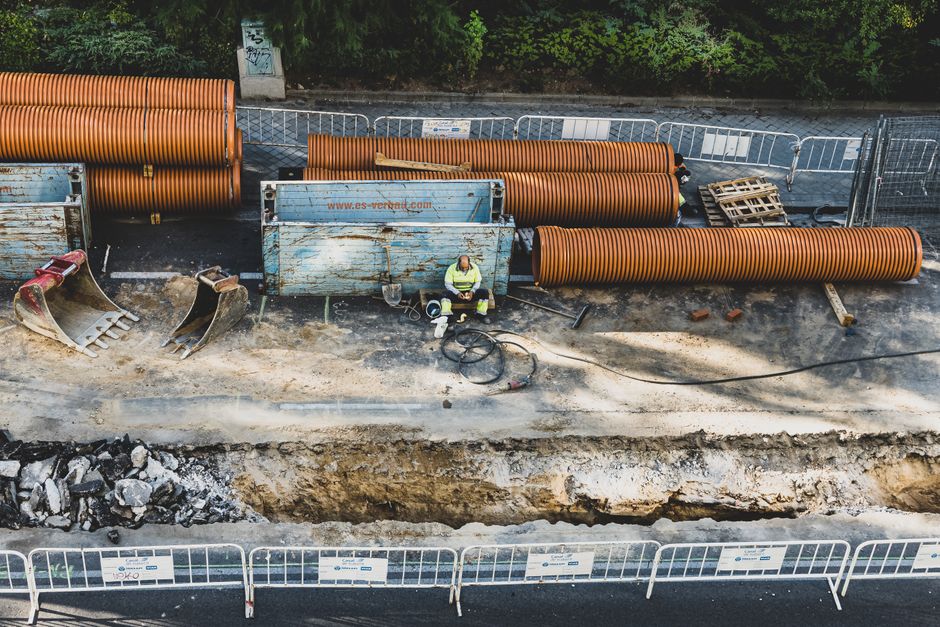
The most fundamental requirement. Moving machinery and on-foot workers cannot share the same space without physical barriers or a controlled exclusion zone. Cones are not enough. A high-visibility vest is not enough. A verbal instruction from a foreman is not enough.
Operators must demonstrate a documented system that physically separates workers from plant movement paths. That means banksmen with defined roles, fixed exclusion zones, and plant operators who have confirmed lines of sight before moving. Every time.
Banksman Competence and Authority
A banksman who cannot stop a machine is not a banksman. Operators are now expected to prove that appointed banksmen have received formal training, that their role and authority is clearly understood by plant operators, and that there is a written record of both.
Verbal briefings at the start of a shift are not documentation. A signed record of who is acting as banksman, on which machines, for which task, for which shift, is documentation.
Safe Systems of Work for Every Non-Routine Task
Routine tasks on a roadworks site are dangerous enough. Non-routine tasks, repairing a barrier in an active lane, unloading plant in a live traffic environment, dealing with a breakdown, are where the improvisation happens and where incidents cluster.
Every non-routine task requires a written safe system of work prepared in advance. Not drafted when the task starts. Prepared before anyone goes near it.
Traffic Management Plans That Reflect Reality
The Traffic Management Plan must match what is actually happening on site. Not what was planned two weeks ago. Not a generic document pulled from the last job. Roadworks sites change hourly. The TMP must be reviewed at the start of every shift and updated when conditions change.
If a lane that was closed yesterday is now open, that matters. If plant movement patterns have changed because of a new delivery, that matters. A TMP that does not reflect current conditions is a legal liability, not a compliance box to tick.
Plant Inspection and Pre-Use Checks
Every piece of plant on a roadworks site must have a documented pre-use inspection record. Not a memory of one. A written record, signed by the operator, logged and accessible. Camera systems, proximity alarms, reversing alerts, all must be confirmed functional before the machine moves.
Reversing deaths on Irish sites have driven specific requirements around backup cameras and proximity detection. These are no longer nice-to-have features. They are expected as standard on plant operating near workers.
Competency Records for Plant Operators
Every plant operator must have a verified record of competency for the specific machine they are operating. Not a general plant ticket. The specific machine. A dumper operator needs a dumper ticket. A road roller operator needs documentation for that class of machine.
Operators working without verified competency records are now a prosecution risk in themselves.
What Drivers Need to Watch For
Roadworks safety is not only a workers' issue. Passing drivers interact with these sites constantly, and the standards now expected of roadworks operators have direct implications for public safety.
A compliant roadworks site has clearly defined approach signage at the correct distances for the posted speed limit. A reduction in speed should happen gradually, in stages, not as a sudden drop from 100km/h to 50km/h at the cone line.
Traffic management personnel at entry points should be visible, wearing high-visibility clothing, and directing traffic actively. If you can see plant moving near the road edge with no physical barrier between it and your lane, that is a nonconformance worth reporting to the HSA.
The HSA operates a public complaints function. Use it. A report from a passing motorist has opened investigations before.
The Shift That Has Already Happened
Some operators read the Whitemountain outcome and thought about fines. The smarter ones read it and thought about culture. A €1.2 million fine is survivable, just. Three families are not recovering. The reputational and operational consequences of a fatal incident stretch well beyond the court penalty.
The expectation from the HSA now is that roadworks operators can demonstrate, with documentary evidence, that every control on every site is functioning as intended on every shift. Not that the control exists in a safety statement. That it is working, today, with proof.
The Bottom Line
Whitemountain changed the floor, not the ceiling. What was once considered adequate is now the minimum threshold for avoiding prosecution. If your traffic management documentation is generic, your banksman training is informal, or your pre-use inspection records exist only in theory, you are operating below that floor. The HSA knows what a compliant site looks like. They also know what a site that got someone killed looks like. After three fatalities and a €1.2 million conviction, the industry has no excuse for confusing the two.