The European Food Safety Authority quietly updated the maximum residue limits for cycloxydim on leafy vegetables last year. Most people eating escarole salad this week have no idea that happened, or what any of those words mean.
That is not an accident. Regulatory food safety communication tends to assume the reader already has a PhD in toxicology or is happy to remain confused. Neither is a great outcome for public health.
What Is Cycloxydim and Why Is It on Your Food
Cycloxydim is a herbicide. Farmers use it to kill grassy weeds in broadleaf crops, which includes the kind of leafy vegetables you buy in bags from the supermarket. It is selective, meaning it targets grasses and leaves the crop intact. It is effective. It is widely used across Europe.
Like most pesticides applied before harvest, it leaves a residue on the crop. The residue does not necessarily disappear by the time the food reaches your kitchen. That is not a scandal, it is just chemistry. The question is how much residue, and whether that level causes any harm.
What an MRL Actually Is
Maximum residue limits are not safety thresholds in the way most people assume. They are not the line between safe and unsafe. They are the highest level of residue legally permitted in or on a food product, based on what good agricultural practice would produce if a farmer uses the pesticide correctly.
If a food product comes in below the MRL, it has passed the test. If it exceeds the MRL, it fails, and the product should not be on shelves. The safety assessment runs separately. Regulators ask whether a person could eat that food every day at the MRL level without it causing harm. If the answer is yes, the MRL gets set. If the answer is no, the MRL comes down or the pesticide does not get approved.
EFSA's panel on pesticide residues reviewed cycloxydim and updated its MRL for certain leafy vegetables, including escaroles. The process is technical, documented, and genuinely rigorous. The panel examines chronic exposure, acute exposure, residue trials from multiple countries, and metabolite profiles. It is not a rubber stamp.
What Changed With Cycloxydim Specifically
EFSA's updated assessment modified the MRL for cycloxydim on certain leafy vegetables. The changes reflect new residue trial data submitted as part of a standard review cycle. When new data shows that typical agricultural use produces higher or lower residue levels than previously measured, the MRL gets adjusted to match.
This is routine. It is not evidence that the old limit was dangerously wrong. It is the system working as designed. The revised limits still sit well within the range that EFSA's risk assessors concluded is safe for all consumer groups, including children.
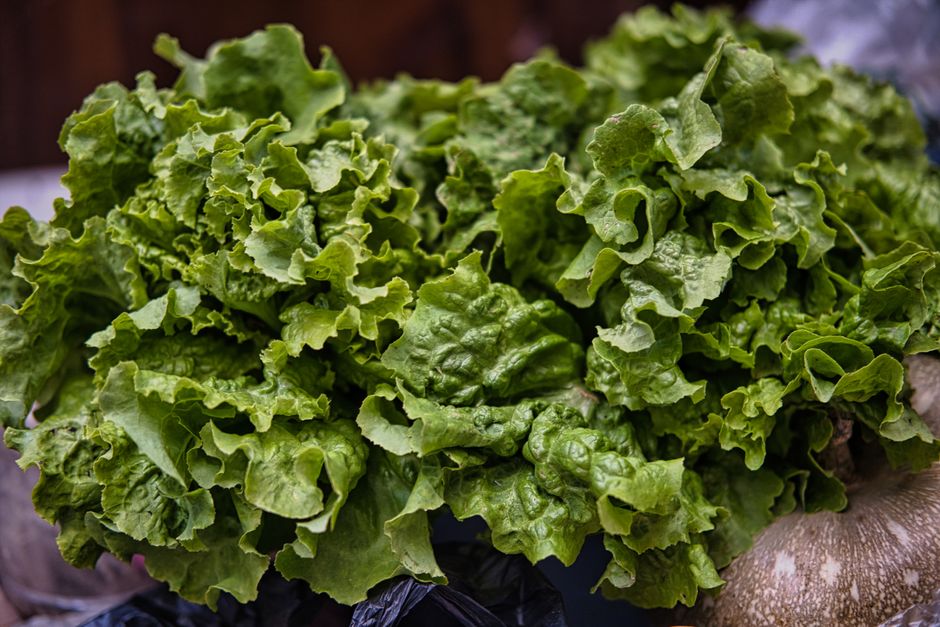
Escaroles, specifically, are a bitter leafy vegetable popular in southern European cooking and increasingly common in Irish shops as part of mixed salad bags. They tend to absorb surface residues more readily than some other crops because of their leaf structure. That is why they appear in this particular review.
Should Irish Consumers Be Concerned
The honest answer is no, with a small caveat.
The food on supermarket shelves in Ireland is subject to imported food alerts and monitoring systems that test for residues above permitted limits. The Food Safety Authority of Ireland works within the EU's coordinated monitoring programme. Products that exceed MRLs get removed and reported. That system is not perfect, but it is functioning.
The bigger issue is not any single pesticide update. It is the cumulative exposure picture. Irish consumers eat a wide range of foods treated with a wide range of pesticides. Each individual residue might sit below its MRL comfortably. The question regulators are still refining how to answer is what the combined load from multiple low-level residues looks like across a lifetime of eating. EFSA is working on cumulative risk models, but the science is genuinely complex, and definitive conclusions are still developing.
What the Labels Won't Tell You
Here is the gap in the system. When you pick up a bag of mixed salad leaves or an escarole from a Dublin supermarket, there is no label telling you which pesticides were used, at what application rate, or what residue testing found. You know the country of origin and the sell-by date. That is about it.
The transparency that exists lives inside databases that require registration, technical knowledge, and time to navigate. The EFSA open food tox database exists. The EU pesticides database exists. They are publicly accessible and genuinely detailed. They are also not designed for someone standing at a chiller unit with a basket.
This is a systemic communication failure, not a conspiracy. The data is there. The bridge between that data and the person buying the food is not.
What You Can Actually Do
Washing leafy vegetables thoroughly reduces surface residues. It does not eliminate them, particularly where the pesticide has been absorbed into the leaf tissue rather than sitting on the surface, but it helps.
Variety matters more than obsessing over individual products. Rotating through different vegetables from different countries of origin naturally limits repeated exposure to any single pesticide or single farming system.
Organic certification prohibits synthetic pesticides, so certified organic escaroles should not carry cycloxydim residues. Whether the premium is worth it is a personal and financial decision, not a straightforward safety calculation.
If you want to track specific alerts about food products on Irish and EU markets, the RASFF portal run by the European Commission publishes real-time notifications when products fail safety checks, including food safety standards that cover pesticide limits.
The System Is Imperfect But Not Broken
EFSA updating an MRL is the system functioning correctly. Scientists reviewed new data, adjusted a number, and published their reasoning. That is what good regulatory science looks like. The alternative, leaving limits unchanged regardless of new evidence, would be the genuinely alarming outcome.
The gap worth pushing on is not whether the MRL for cycloxydim on escaroles is accurate. It almost certainly is. The gap is that most people eating those escaroles have no accessible way to know what monitoring found on the last batch, what residues were detected, and how they compare to the revised limits.
Informed consent for the food on your plate should not require a toxicology background.