The system for catching unsafe food is genuinely impressive. The gap between when an alert fires and when it reaches your kitchen is not.
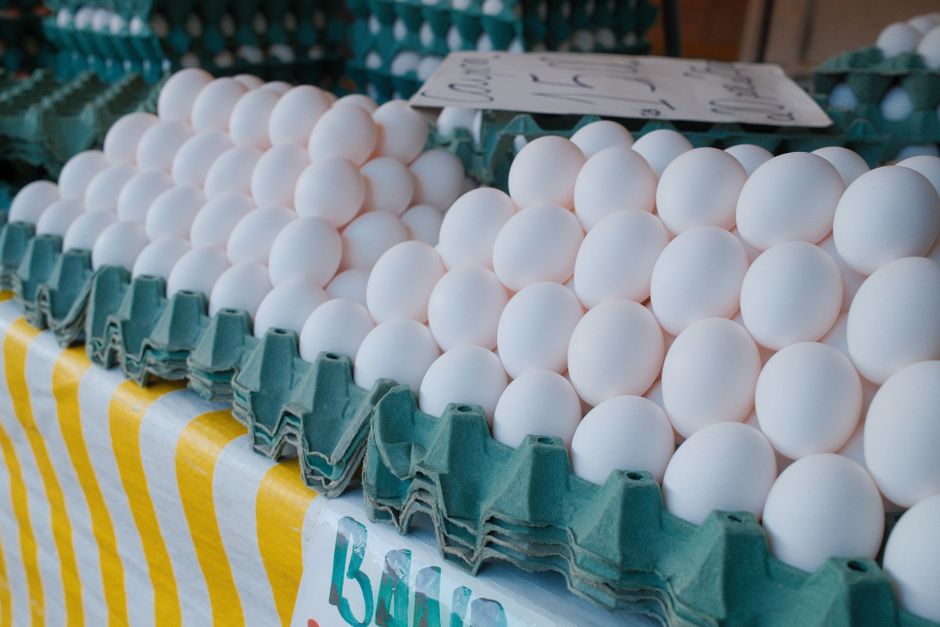
When Ukrainian eggs were flagged through the Rapid Alert System for Food and Feed (RASFF) for fipronil contamination, the notification moved across EU member states within hours. The Food Safety Authority of Ireland had the information. Relevant retailers and large importers with established relationships got the call. Small restaurants, independent food businesses, and importers operating through multi-tier supply chains? Many of them found out the slow way.
How the Alert System Actually Works
RASFF is the EU's food and feed safety alert network. It links national authorities across member states and processes hundreds of notifications every year. When a contamination risk is confirmed, an alert goes out categorically: border rejection, information for attention, or the most serious category, an alert notification. The Ukrainian egg recall triggered the kind of response the system was designed for. Fast, coordinated, and cross-border.
The FSAI in Ireland receives those notifications and acts on them. It publishes recall notices on its website, contacts businesses registered with it, and coordinates with the Health Service Executive where a public health angle exists. The problem is structural. The FSAI contacts who it knows. If you are a small importer who sourced eggs through a Dutch broker who bought from a Polish distributor who imported from Ukraine, the alert may never reach you directly.
The Distribution List Problem
Large supermarket chains have dedicated food safety teams monitoring RASFF in near real time. They have supplier management systems with product origin tracking. They can pull a product from shelves in hours. A small Irish restaurant buying through a cash-and-carry or a regional wholesaler is depending entirely on that wholesaler to pass the alert downstream.
That handoff does not always happen. Sometimes the wholesaler is not aware the product in their warehouse matches the flagged batch. Sometimes they know but communication to customers is slow or incomplete. Sometimes the batch number on the RASFF alert does not match the labelling on product that has already been repackaged. The alert is accurate. The trail goes cold before it reaches the business serving the food.
This is not a criticism of the FSAI or RASFF. The system works at the level it was built for. The gap is in the final kilometre of the supply chain, where smaller operators assume someone upstream is managing this for them. Understanding your traceability obligations as a food business is not optional, and it matters most precisely when an alert like this fires.
What Ukrainian Eggs Specifically Showed
Fipronil is a pesticide used in veterinary products. It is banned from use in food-producing animals in the EU. When it appeared in eggs imported from Ukraine, the concern was not just the specific batches flagged. It was the broader question of how Ukrainian agricultural products, produced under different regulatory frameworks, enter EU supply chains under trade agreements that do not always carry equivalent food safety standards.
Ukraine is not an EU member state. Products entering the EU from Ukraine go through border inspection posts and documentary checks, but the volume of trade following post-2022 trade facilitation measures has increased significantly. More product, faster throughput, and not all of it landing in the hands of businesses with robust supplier compliance systems.
If you are importing eggs or egg products with Ukrainian origin anywhere in your supply chain, and you do not know your batch numbers, you have a traceability problem that predates any specific recall.
What Small Importers and Food Businesses Need to Do
Register directly with the FSAI if you are not already on their notification list. The FSAI operates a food alert notification system and businesses can sign up to receive alerts by email. It takes about four minutes. The number of food businesses that have not done this is large.
Know your supply chain one tier deeper than you think you need to. Your supplier's country of origin is not enough. You need to know which country the raw material came from, because that is what RASFF flags. Eggs labelled as a product of the Netherlands may have been produced by hens fed Ukrainian feed, or in some cases, may involve more complex origin questions that only your supplier's supplier can answer.
Ask for batch traceability documentation before a recall, not during one. Auditing your suppliers for food safety compliance is the piece most small operators skip because it feels like paperwork until the Environmental Health Officer is asking for it.
Keep your withdrawal and recall procedure current. Under EU food law, every food business operator must have a procedure in place to withdraw or recall product. If you cannot locate that document right now, it needs updating before your next delivery.
The Compliance Angle That Gets Missed
There is a common assumption in smaller food businesses that compliance is what the big operators do. That HACCP is for factories and supply chain audits are for multinationals. It is wrong, and it has always been wrong, but the Ukrainian egg case illustrates exactly why the assumption is dangerous.
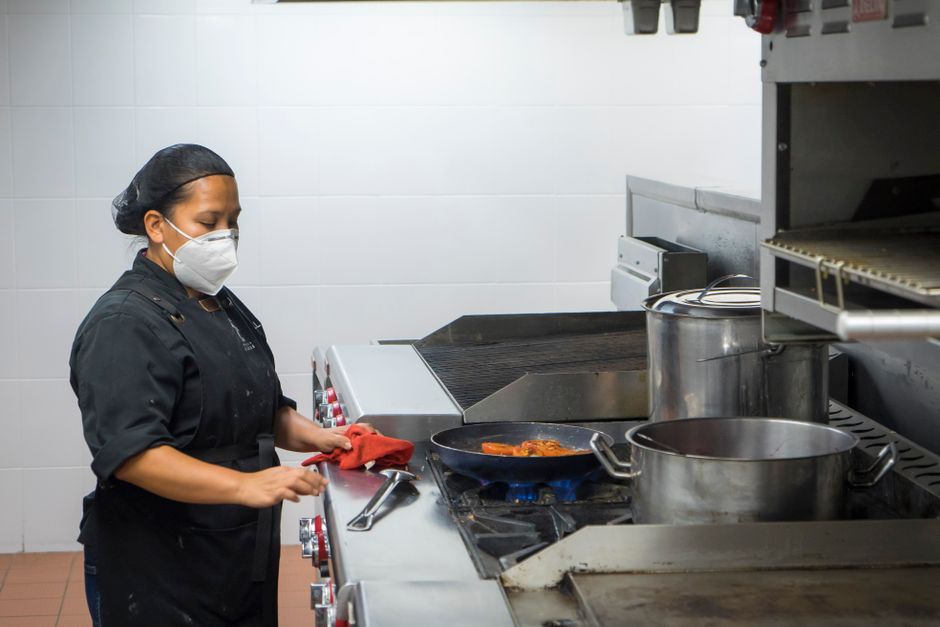
The businesses most exposed in a cross-border food safety incident are the ones furthest from the alert distribution network and closest to the end consumer. A restaurant serving contaminated eggs is the last business in a chain of several. It is also the one whose customers get sick, whose name appears in the Environmental Health Officer's report, and whose owner gets the phone call.
Being small is not a defence. Being unaware of an alert that was publicly available is not a defence.
The alert system is fast. The question is whether your business is fast enough to catch what it sends.