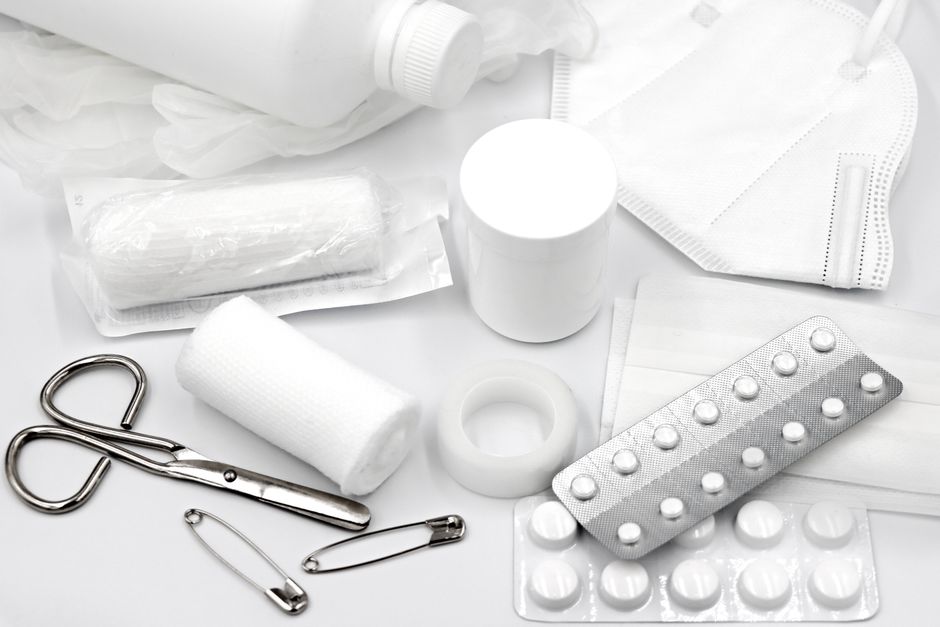
That green plastic box bolted to the site cabin wall is not a first aid kit. It's a liability dressed up as compliance.
Walk onto most Irish construction sites and you will find a kit that was stocked two years ago, checked never, and contains plasters suited to a paper cut in a call centre. Meanwhile, the work happening twenty metres away involves angle grinders, heavy plant, and falls from height. The mismatch is not subtle.
The Safety, Health and Welfare at Work Act 2005 and the General Application Regulations 2007 require employers to provide adequate first aid equipment based on a risk assessment of the workplace. That phrase, adequate based on risk assessment, is doing serious lifting. A plastics factory and a groundworks site are not the same risk environment. Treating them as if they were is where sites fall down, literally and legally.
What the Regulations Actually Require
The HSA does not publish a single mandatory list for construction sites. What it does require is that employers assess the hazards present, the number of workers, and the distance from emergency services, then stock accordingly. That assessment has to be documented. If an inspector asks to see it and you hand them a delivery docket from a first aid supplier, you have already lost the argument.
Minimum requirements under the General Application Regulations include adequate quantities of first aid materials, suitable equipment for the administration of first aid, and trained first aiders where the number of workers or the risk level demands it. On a site with more than 25 workers, you need at least one occupational first aider. Fewer than 25 and you still need a designated person trained to administer first aid.
The words suitable and adequate are not a loophole. They are the standard you are held to when something goes wrong.
What Inspectors Are Actually Looking For
An HSA inspector arriving on site will check four things around first aid. Who is the trained first aider and are their certificates current. Where is the kit located and is it accessible. What is in it and does it match the hazards on site. When was it last checked and by whom.
Certificates expire. A first aider who completed their Occupational First Aid course three years ago and never renewed is not a qualified first aider in the eyes of the regulations. The certificate lapses after two years. This catches sites out constantly because the original training was done properly and then quietly forgotten about.
Location matters more than most people realise. A kit locked in the foreman's office on a three-storey build is not accessible. The kit should be reachable within minutes of an incident occurring, without requiring keys, codes, or a search party.
What Your Kit Is Actually Missing
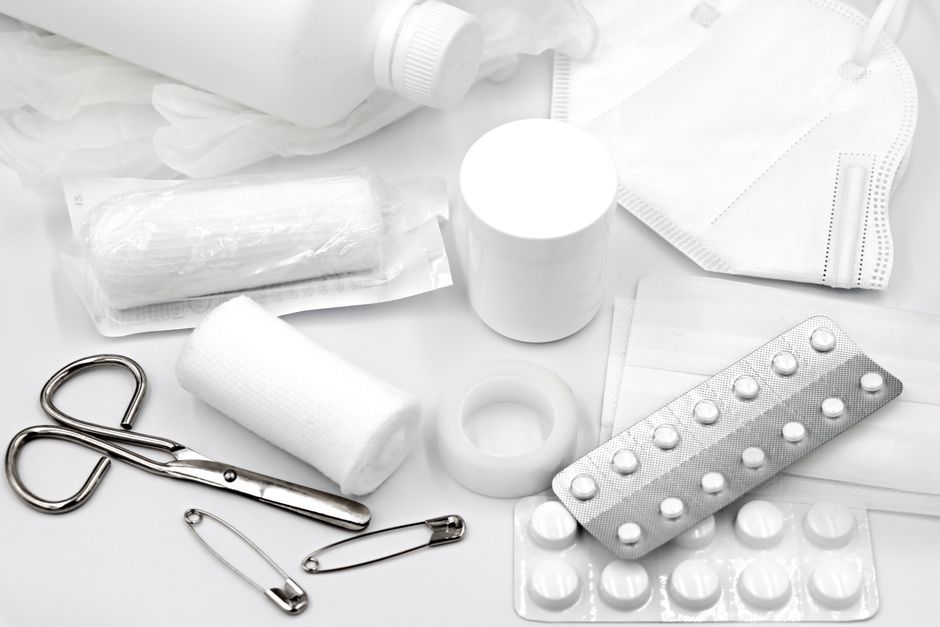
Standard commercial first aid kits are stocked for low-hazard office environments. Construction is not that. Here is what is routinely absent from site kits and routinely needed.
Tourniquets. Limb injuries from machinery and cutting equipment can produce severe bleeding that will not wait for an ambulance. A CAT tourniquet costs around twelve euro. Not having one on a site running power tools is indefensible.
Trauma dressings. Large wound dressings, not the individually wrapped 10x10 gauze squares in the standard kit. Israeli bandages or similar pressure dressings for managing significant wounds while waiting for emergency services.
Haemostatic gauze. For deep wounds where direct pressure alone is not controlling the bleed. This is now standard in pre-hospital trauma care and should be standard on construction sites.
Eye wash stations. Not just the small bottles. If your site involves grinding, cutting, or working with cement, a dedicated eye wash station with at least one litre of sterile saline is required. The small bottles empty in ninety seconds.
Foil blankets. Shock management. Someone who has taken a fall or a crush injury will go into shock before the ambulance arrives. Keeping them warm is not optional.
Burn dressings. Not standard in most off-the-shelf kits. Hot works, electrical faults, and contact with plant equipment create burn risks on every site.
Finger reattachment bags. If your site has workers handling machinery where degloving or amputation is a realistic outcome, you need a clean plastic bag and access to ice. The window for successful reattachment is short and the protocol is simple. There is no excuse for not having this covered.
The Stocking and Inspection Regime
A kit that was fully stocked in January and never looked at again is a depleted kit by March on any active site. Items get used, removed, or expire. The kit needs a weekly check log, a named responsible person, and a restock protocol that does not involve waiting until someone needs a dressing and finds an empty box.
Expiry dates on sterile items are not suggestions. Sterile packaging that has been compromised or expired is not sterile. An infected wound caused by a contaminated dressing is a reportable incident waiting to happen.
The log does not need to be elaborate. Date, checker's name, any items used or expired, restocked yes or no. Four lines. Keep it inside the kit lid.
Training Is Not Optional
A stocked kit with nobody trained to use it is furniture. The regulations require trained personnel. The training has to be renewed. Occupational First Aid certification through a PHECC-registered provider is the standard for construction sites.
Beyond the cert, site-specific drills matter. Does your first aider know where the nearest hospital with a trauma unit is? Do they know the site's emergency number and access point for ambulances? Can they direct an ambulance driver to the right location on a large site? These are not training course questions. They are questions answered by actually thinking through what happens in the first four minutes of a serious incident.
The Gap Nobody Acknowledges
Here is the real problem. Most sites treat first aid compliance as a box to tick during a safety audit. The kit gets bought, the certificate gets filed, and everyone moves on. The assumption is that serious incidents are rare enough that full readiness is theoretical.
Construction is one of the highest-risk industries in Ireland. Falls, plant incidents, and crushing injuries are not hypothetical. The HSA's annual statistics confirm this year after year.
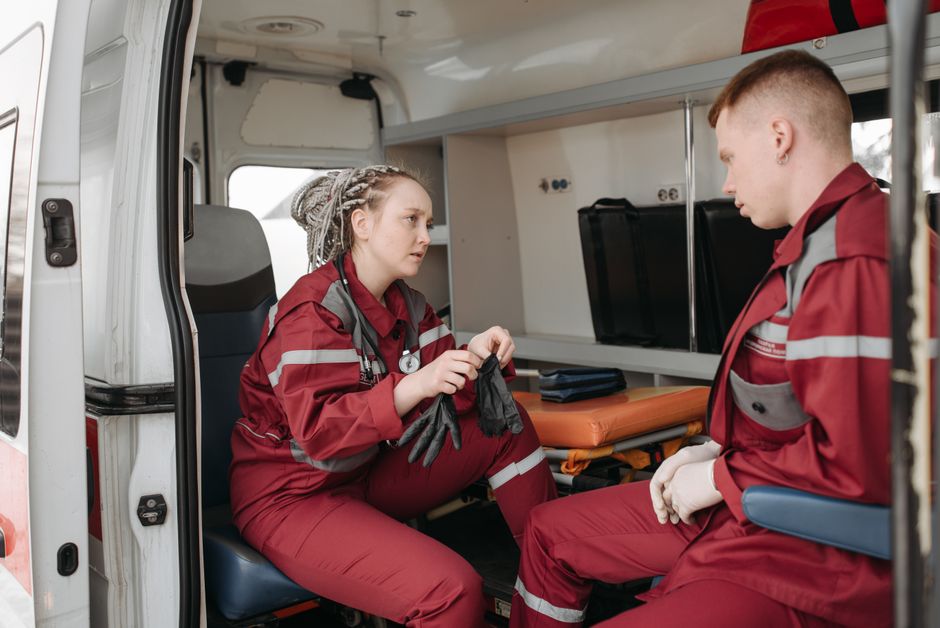
The four minutes between an incident and the ambulance arriving are the minutes that determine whether someone goes home or does not. What is in that green box and who is trained to use it is not a paperwork question.
Get the kit right. Keep the training current. Check the box every week. It takes less time than the investigation report will if you do not.