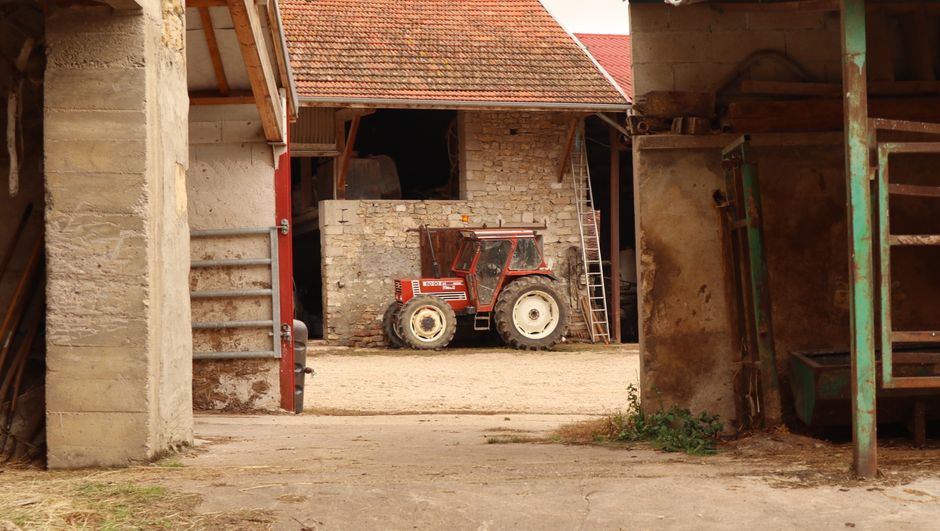
A tractor rolls every 40 hours of farming in Ireland. The person underneath it is usually alone, usually far from a road, and usually known to whoever finds them.
That last part matters. Farm first aid is not a clinical exercise. It is a neighbour trying to keep someone alive in a wet field while the ambulance is 25 minutes out. The skills required are different from anything a standard first aid course prepares you for, and the consequences of getting it wrong are permanent.
Before You Touch Anyone: Scene Safety Is Not Optional
A rolled tractor is not a stable object. It has settled into a position governed by the slope, the soil, and whatever it landed against. Any of those factors can shift.
Check the terrain before you move. Is the machine on a slope? Is the ground soft? Is there a PTO shaft still spinning? Is fuel leaking near an exhaust? You cannot help a casualty if you become one yourself, and on a farm, the second casualty often has no one left to call for help.
Kill the engine if you can reach the key safely. Do not attempt to right the tractor, lift it, or drag anyone clear of it without understanding the crush physiology involved. More on that in a moment.
Get someone else calling 999 while you assess. If you are alone, make the call yourself before you approach. Tell them it is a farm machinery incident, give the townland name, the nearest cross, and a landmark. Rural ambulance dispatch is improving in Ireland, but the call handler still needs more information than a Eircode to find a lower field.
Assessing the Casualty Under a Machine
A person pinned or partially trapped by a tractor presents differently from a standard trauma casualty. The injuries you can see are rarely the worst ones.
Look for responsiveness first. Talk loudly, tap the shoulder, watch for a reaction. If there is no response, you need an airway immediately, and this is where farm first aid diverges sharply from office first aid.
Spinal injury is a near certainty in a rollover. The casualty may have been thrown, compressed, or twisted in ways that are not immediately obvious. Do not move the head unless the airway is completely obstructed and every other option is gone. Jaw thrust, not head tilt, is your first move to open the airway in a suspected spinal injury. This is a skill that needs to be practiced before the day you need it, not read about in a field.
If the casualty is breathing, monitor and stay close. If they are not breathing and there is no obstruction, start CPR. The standard 30 compressions to 2 breaths protocol applies. A tractor rollover casualty with no pulse has a better chance with immediate CPR than with any other intervention you have available.
Crush Injuries: The Problem That Starts After You Move Them
Crush injuries following tractor incidents carry a specific danger that most first aiders do not know about. When a body part is compressed for more than 15 to 20 minutes, the tissue begins to break down. Potassium and myoglobin build up in the crushed area. The moment compression is released, those substances flood the bloodstream. The result can be cardiac arrest, kidney failure, or both, within minutes of release.
This is called crush syndrome, and it means that freeing a trapped person is not automatically the right first move. In a prolonged entrapment, early release without medical cover can kill someone who was conscious and talking.
The practical guidance for farm first aiders is this: if the person has been trapped for more than 15 minutes, do not attempt to free them without paramedic or medical direction unless their airway is compromised or there is immediate life threat from the position itself. Keep them warm, keep talking to them, keep the airway clear, and get that information to the emergency services early so they can prep accordingly.
If the entrapment is short, under 15 minutes, and you can safely free them, do so while supporting the spine as best two people can manage.
Bleeding and Fractures in the Field
Tractors create high-energy injuries. Expect open fractures, degloving, and arterial bleeding alongside whatever internal damage you cannot see.
Severe external bleeding gets direct pressure immediately. Use the cleanest material available. A clean t-shirt beats nothing. Hold firm pressure and do not lift it to check. If blood is soaking through, add more material on top. For limb bleeding that is not controlled by pressure, a tourniquet applied 5 to 7 cm above the wound is appropriate. Note the time you applied it and tell the paramedics.
Suspected pelvic fractures are common in rollover incidents. Do not attempt to test for this by pressing on the pelvis. If the mechanism suggests it, assume it, keep the person flat, and do not allow them to stand or walk.
Calling Rural Emergency Services Effectively
The single biggest delay in rural farm incidents is the handover between the caller and the emergency services. The ambulance finds the road. Then it cannot find the gate. Then it cannot find the field.
When you call 999, have the following ready before you dial.
The townland name and the county. The name of the nearest cross or junction. A description of the farm entrance, including colour of gate, name on the gate if there is one, and whether it is on the left or right from the main road. A phone number for someone who can stand at the gate and wave the ambulance in. The nature of the incident: tractor rollover, one casualty, trapped or free.
Ask the dispatcher to confirm what they have. Read it back if they do not. A 30-second call that results in an ambulance finding the wrong farm has cost people their lives. Farm fatalities in Ireland are often compounded by response time failures that better information at the point of call could have shortened.
If you have a second person available, send them to the road immediately to direct the crew. This is not optional. Do it every time.
What to Have Ready Before an Incident Happens
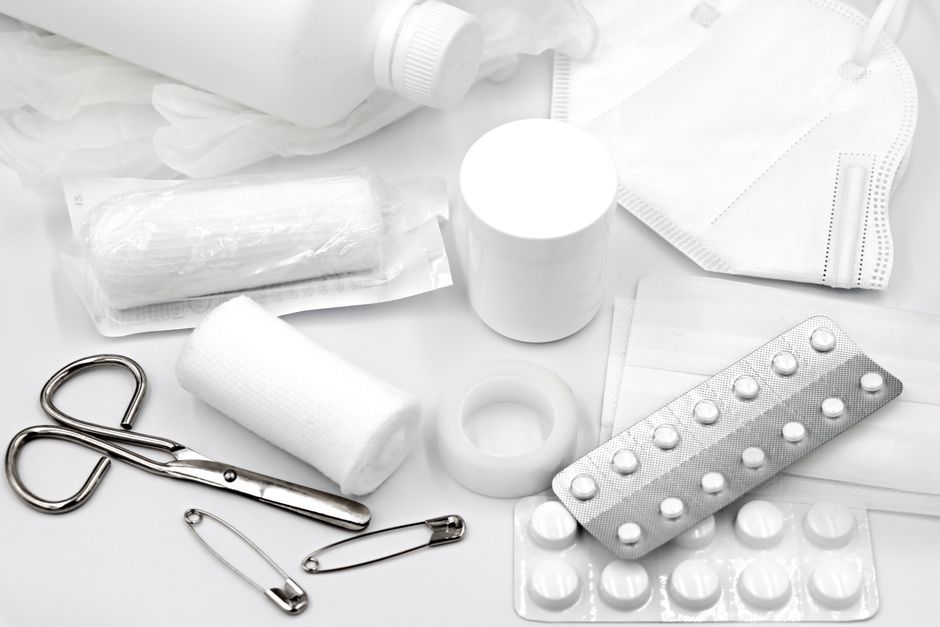
Farm first aid kits are routinely under-equipped for the injuries farms produce. A standard workplace kit covers cuts and sprains. A farm needs tourniquets, trauma dressings, foil blankets, and a first aider who knows what crush syndrome is.
Every farm should have a clear, laminated site map posted inside the gate and in the yard. Townland name, GPS coordinates, gate description. Every person working on the farm should know what to say when they call 999. Practise it. It takes ten minutes and it is worth more than most safety training that gets delivered on farms.
The 999 call is the first link in a chain. If that link is weak, everything downstream suffers.
You will probably never need this on a bad day. But on the day you do, the 20 minutes between the incident and the ambulance arriving belong entirely to you.