A worker gets pulled into a pillar drill. A scaffold platform collapses. Someone gets pinned between moving equipment and a fixed structure. The investigation always finds the same thing: a failure that was already visible before the incident happened.
That is not bad luck. That is a system that was not working.
The Pattern Behind the Incidents
Look at recent HSA prosecutions and a shape emerges. The machine had not been inspected on schedule. The guard had been removed and not replaced. The pre-use check had not been signed off in weeks. Machinery incidents that become criminal negligence cases share one feature above everything else: someone in the chain had the authority to stop the work and did not.
That someone is often the safety officer. But the safety officer is only as effective as the questions being put to them. If the site manager, the project supervisor, or the worker themselves never asks the right question, the gap stays open.
Pillar drills are a useful example because they look harmless. They are fixed, familiar, and slow. They also generate some of the most serious hand and wrist injuries on fabrication sites because operators treat them like domestic tools. No guarding review. No work-rest assessment. No check on whether the chuck key is still left in the drill, which is a failure so basic it should be embarrassing to document.
Scaffolding failures follow a different logic but the same root cause. Scaffold collapses and falling glass incidents consistently come back to two things: inadequate inspection intervals and informal sign-off. Someone looked at the scaffold and decided it was fine without being qualified to make that call. That judgment costs people their lives.
What to Ask Your Safety Officer
These are not trick questions. They are the minimum a competent safety officer should be able to answer without hesitation. If the answers are vague, delayed, or followed by paperwork that turns out not to exist, you have found your gap.
On machinery:
- What is the inspection schedule for each piece of powered equipment on site, and when was the last documented inspection?
- Who carries out pre-use checks, and where are those records kept?
- Which machines have had guards removed or modified, and what approval process was followed?
- Are there any machines currently in use under a temporary exemption from guarding requirements? If so, why, and for how long?
- Who is the nominated competent person for machinery on this site?
On scaffolding and temporary structures:
- Who inspected the scaffold, what are their qualifications, and when did the last inspection happen?
- Is there a written scaffold inspection register, and is it on site right now?
- What is the load rating for the current scaffold configuration, and has it been altered since erection?
- Have any ties, boards, or guardrails been removed since the last formal inspection?
- Who has authority to alter this scaffold, and how is that change recorded?
On crush and entrapment risks:
- Where on this site can a worker be caught between moving equipment and a fixed structure?
- Are exclusion zones clearly marked, and are they being enforced?
- What is the system for stopping powered equipment during maintenance or clearing blockages?
- Is lockout or tagout being used, and which workers have received training on it?
What Good Answers Look Like
A good answer is specific and supported. "The scaffold was inspected last Monday by Sean, who holds an IPAF scaffold inspection qualification, and the register is in the site office" is a good answer. "We check it regularly" is not an answer at all.
Documentation does not need to be elaborate. It needs to exist, to be current, and to match what is actually happening on the ground. A register that shows weekly inspections but lists equipment that broke down three months ago is worse than no register, because it suggests someone is filling in forms without looking at the machines.
The Safety, Health and Welfare at Work (General Application) Regulations 2007 are clear on the duty to maintain work equipment in good repair and to carry out inspections where risk demands it. The regulations are not the hard part. The hard part is building a culture where the safety officer is empowered to stop work and where that call is backed up by management.
When the Answers Are Not There
If your safety officer cannot answer these questions, that is useful information. It tells you the monitoring system is not working. It does not tell you the site is safe.
The HSA's enforcement pattern, particularly in machinery cases, shows that inspectors are not looking for perfect paperwork. They are looking for evidence that someone was paying attention. A near-miss log with nothing in it on a busy site is a red flag. A maintenance schedule with six weeks of missing entries while the equipment was running is a red flag. An incident investigation that cannot identify when a guard was last confirmed in place is a red flag.
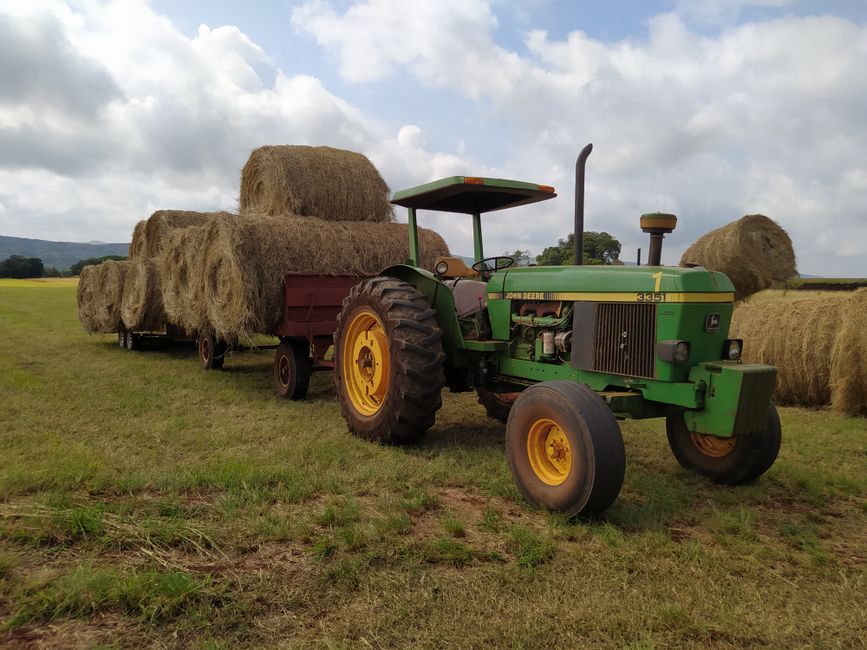
From farm machinery to factory floors, the same absence of basic accountability keeps producing the same injuries. The specifics change. The mechanism does not.
The Accountability Gap
Safety officers are not miracle workers. They cannot inspect what they are not told about, document what they are not given time to record, or enforce standards that management is actively ignoring. The questions in this checklist are not just for safety officers. They are for site managers, project supervisors, directors, and anyone who has signed a safety statement asserting that these systems are in place.
If you have signed that statement and you cannot answer these questions, you have signed something that is not true. That is not a paperwork problem. Under Irish law, it is a liability that follows you personally.
Ask the questions. Write down the answers. If the answers are not good enough, the work stops until they are. That is the whole system, and it is not complicated. It just requires someone to be willing to ask.