A Kerry engineering company paid €400,000 after a worker died. The fine made headlines. The safety failures that led to it were entirely ordinary.
Dairymaster, one of Ireland's best-known agri-tech manufacturers, was fined €400,000 at Tralee Circuit Court following the death of an employee. The prosecution was brought by the Health and Safety Authority. The conviction is significant not because Dairymaster is uniquely reckless, but because what happened there is a pattern repeated across agricultural workplaces every single year.
Ireland loses around 20 agricultural workers annually. That number has barely shifted in a decade. Campaigns run, inspectors visit, fines land, and the count stays stubbornly high. If you work on or manage a farm or agricultural operation and you are reading this after an incident, you are too late. If you are reading it now, you are not.
What the Conviction Actually Tells Us
Courts do not convict companies for bad luck. They convict for failures in the system of work. The Safety, Health and Welfare at Work Act 2005 places a duty on employers to provide safe systems of work, adequate training, and proper supervision. When a fatality occurs, the HSA reconstructs what was in place and what was not. The gap between those two things is what ends up on a charge sheet.
In agricultural settings, the recurring gaps are predictable. No formal risk assessment for the specific task being performed. No written safe operating procedure. Workers trained on equipment once, years ago, with nothing documented since. Supervision that amounts to "he knew what he was doing." These are not harsh judgments. They are the verbatim findings from investigation reports.
A €400,000 fine is not the ceiling. Under the 2005 Act, on indictment, fines can reach €3 million. Directors can face personal prosecution. The financial exposure is serious, but it is still secondary to the fact that someone did not go home.
The Specific Gaps Agricultural Operations Keep Missing
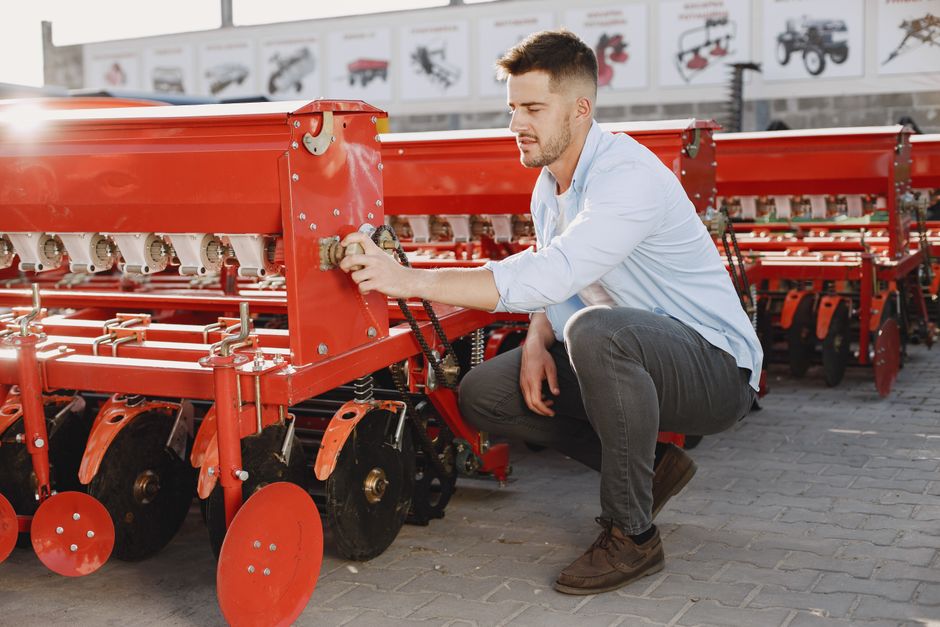
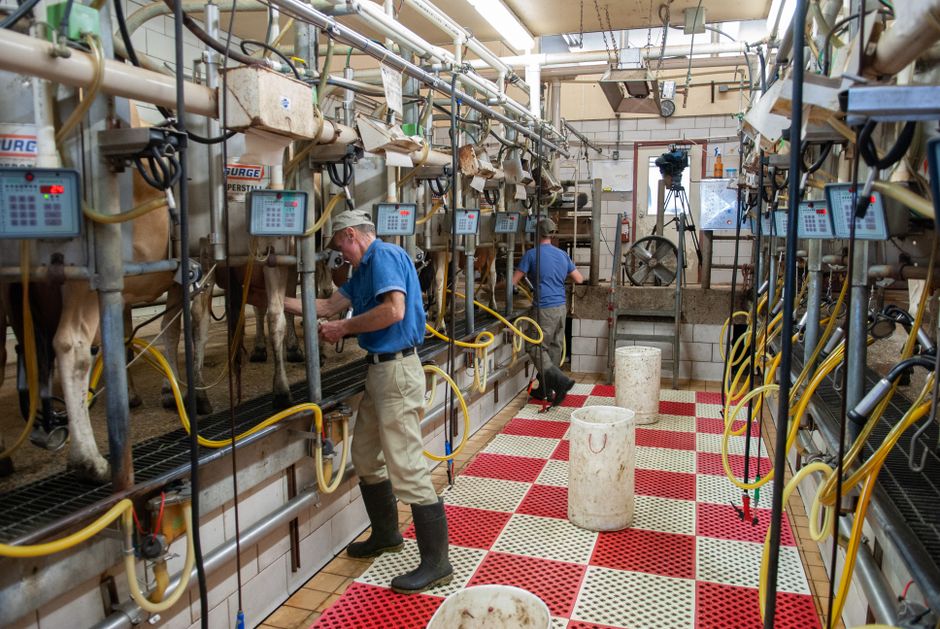
Machinery guarding is treated as optional. Moving parts on milking equipment, conveyors, PTO shafts, and augers are the most common contact points in serious injuries. Guards get removed for maintenance and do not go back on. They get bypassed because they slow the job down. The legal position is clear: machinery must not be operated without guards in place, full stop. [From farm machinery to factory floors, finger and limb loss incidents repeat]((/articles/construction/from-farm-machinery-to-factory-floors-why-finger-loss-incidents-keep-repeating-a/) for exactly this reason.
Risk assessments exist on paper only. Many farms have a safety statement. Fewer have one that reflects the actual work being done on any given day. A safety statement written in 2019 that has never been reviewed does not cover the new slurry pump, the seasonal worker hired in March, or the maintenance task carried out last Tuesday. The document is only useful if it is alive.
Lone working is not managed. Agricultural work is inherently solitary. Someone working alone in a machinery shed, a slurry pit area, or a silage clamp has no one to raise the alarm if something goes wrong. The HSA's lone working guidance requires employers to assess the risks specific to isolated tasks and put check-in procedures in place. On most farms, this simply does not happen.
Contractor and visitor management is almost entirely absent. When a delivery driver, a vet, an AI technician, or a machinery rep walks onto a farmyard, who briefs them on the hazards? The answer on most farms is nobody. Employers have a duty of care to anyone on their premises, not just their own employees.
Near-misses disappear. In manufacturing, near-misses generate paperwork. On farms, they generate a sharp intake of breath and then nothing. A near-miss is data. It tells you where the system is failing before someone gets seriously hurt. Not recording and acting on them means the same failure mode runs until the outcome is worse.
How to Audit Your Own Operation Before Inspectors Do It for You
The HSA's farm inspection campaigns focus on specific themes each year, including machinery, slurry, and working at height. But HSA inspectors are not obliged to warn you before they arrive. An uninvited inspection can follow a complaint, a near-miss report, or simply a planned sector sweep.
Walk your operation as if you are the inspector.
Start with machinery. For every piece of powered equipment, ask: is every guard in place and functional? Is there a written procedure for operating and maintaining it? Can a new or temporary worker follow that procedure safely without asking anyone? If the answer to any of those is no, that is a finding.
Move to your safety statement. When was it last reviewed? Does it name the actual people responsible for specific safety functions? Does it cover seasonal and contract workers? A generic template downloaded from the internet and signed once is not a safety statement in any meaningful sense.
Check your training records. Not whether training happened, but whether it is documented, dated, and signed. The HSA will ask for records. "He was shown how to do it" is not a record.
Look at your near-miss log. If you do not have one, create one today. It does not need to be complex: date, what happened, what could have happened, what was done in response. That log demonstrates a functioning safety culture. Its absence demonstrates the opposite.
Finally, check your emergency procedures. Does everyone on site know what to do if someone is injured? Is there a first aid kit that is actually stocked? Is the nearest hospital location known and posted? Farm first aid response is genuinely different from office first aid, and the gap in preparation shows up fast in an emergency.
The Uncomfortable Truth About Agricultural Safety Culture
The Dairymaster conviction is not an outlier. It is the tip of a pattern that the HSA has documented consistently. Agricultural employers, including large, well-resourced operations, continue to treat safety compliance as a bureaucratic burden rather than an operational necessity.
Part of that is cultural. Farming involves an inherited set of practices, and challenging those practices feels like challenging the people who passed them down. But a practice that made sense when a machine ran at half the speed, when workers were more experienced, or when a guard was still intact does not automatically remain safe when those conditions change.
The regulation works. What does not work is the assumption that someone else will enforce it before anything goes wrong on your land.
€400,000 buys a lot of guarding, training, and documentation. It does not buy back a worker.