Ireland finally sorted out the legal status of e-scooters in 2024, and the rules are more specific than most people realise. If you or your teenager rides one without knowing them, a Garda can stop you and hand you a fine on the spot.
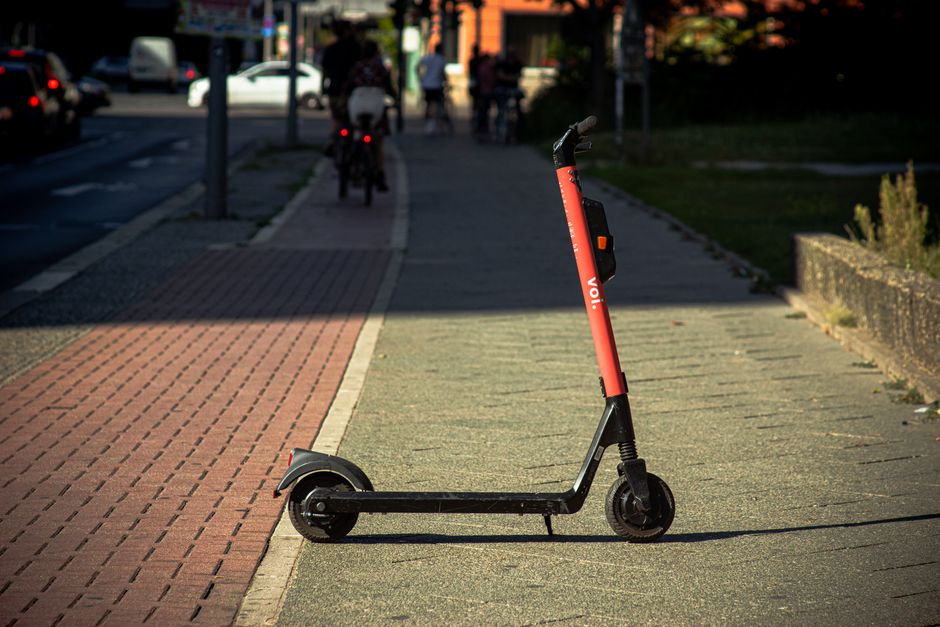
The Road Traffic and Roads Act 2023 brought e-scooters, or "powered personal transporters" in the language of legislation, into a formal legal framework for the first time. Before that, riding one on a public road was technically illegal regardless of speed, weight, or intention. The law changed, but that does not mean anything goes. The conditions attached to legal use are detailed, and ignorance of them is not a defence.
What counts as a legal e-scooter in Ireland
Not every device on wheels qualifies. For an e-scooter to be legal under Irish law, it must meet specific technical limits.
The motor must be no more than 400 watts. The maximum speed the device can reach under its own power is 25 km/h. The scooter cannot exceed 25 kg in weight. It must have a bell or horn, front and rear lights, and front and rear brakes. Reflectors are also required.
If a device is sold with a throttle that lets it exceed 25 km/h, it does not meet the standard. Modifying a scooter to remove speed limits does not make it faster legally. It makes it a different vehicle category entirely, one that cannot be ridden on public roads at all.
Where you can and cannot ride
This is where most people get caught out.
Legal e-scooters can be ridden on public roads with a speed limit of 50 km/h or less. They can also be used on cycle tracks and in cycle lanes. That is it.
Footpaths are out. Motorways, national roads, and any road with a speed limit above 50 km/h are off limits. If you are riding in a housing estate with a 50 km/h limit, you are within the rules. If you drift onto a main road because it feels convenient, you are not.
Shared footpaths, the kind with a sign showing a pedestrian and a bicycle together, are a grey area that the Road Safety Authority advises riders to treat with caution. When in doubt, treat it as a footpath and walk.
Age limits and helmets
You must be at least 16 years old to ride an e-scooter on public roads or cycle infrastructure. There is no provisional licence required and no test to pass, but the age limit is firm.
Helmets are compulsory. The law specifies that the helmet must meet a standard suitable for cycling. A bicycle helmet is sufficient. A motorcycle helmet is fine too, though it is overkill. No helmet means you are breaking the law, and you are also significantly more likely to end up with a serious head injury if something goes wrong.
For parents, that age limit matters. A 14-year-old on an e-scooter on a public road is not just breaking the rules. The parent who knowingly allows it may also be caught under provisions relating to permitting unlawful use.
Alcohol and e-scooters
The drink driving rules apply. Riding an e-scooter while over the legal blood alcohol limit is an offence under the same framework as driving a car. The legal limit is the same: 50 mg of alcohol per 100 ml of blood for most adults, 20 mg for professional drivers and learner drivers.
Gardaí can conduct a breath test. A conviction can result in a fine and disqualification from driving a motor vehicle. Yes, an e-scooter offence can cost you your car licence.
The fines
Fixed charge notices apply to e-scooter offences. Riding on a footpath, failing to wear a helmet, riding above 25 km/h, or using a device that does not meet the technical requirements can each attract a fine in the region of €60 to €120, depending on the offence.
Failure to pay a fixed charge can result in a court appearance and a substantially higher fine. The cyclist and pedestrian safety rules that apply on shared infrastructure also apply to e-scooter riders, so dangerous or careless riding carries its own separate consequences.
E-bikes: the rules are different
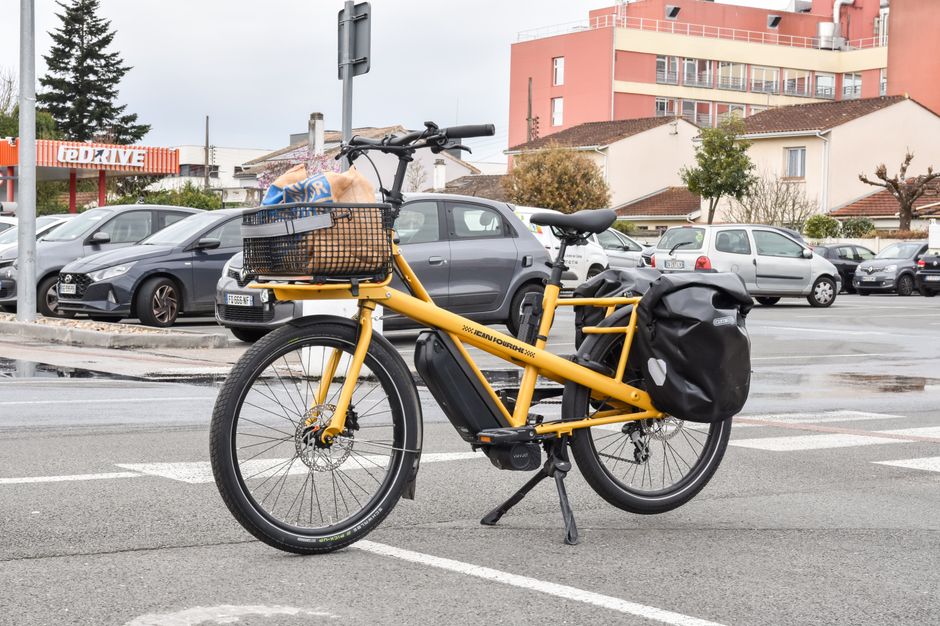
Electric bikes, or e-bikes, have been legal for considerably longer and sit under different rules. A pedal-assist e-bike with a motor of 250 watts or less, which cuts out at 25 km/h, is treated the same as a regular bicycle. No age limit for road use applies under bike rules, no helmet requirement in law (though strongly advised), and you can use it anywhere a bicycle can go.
Throttle-controlled e-bikes that can move without pedalling, and anything with a motor above 250 watts or capable of assisting above 25 km/h, moves into a different legal category. Those require type approval, insurance, and a licence, depending on the classification. Buying a high-powered e-bike online and assuming it is road legal is a gamble many people are currently losing.
If you are shopping for an e-bike for a child, check the motor wattage and the speed at which the assist cuts out. Those two numbers tell you which category the bike falls into.
What this means in practice
The framework is clearer now than it was two years ago. That is genuinely welcome. But the rules require riders to know their device's technical specs, not just trust that it looks like the kind of thing you can ride on the road.
Check the motor wattage. Check the top assisted speed. Fit the lights before you need them, not after a Garda points it out. Wear the helmet every time, not just when you feel like it.
The regulation exists because e-scooters share space with pedestrians and cyclists and car traffic, and the consequences of collisions at any speed are real. Following the rules is not about avoiding fines. It is about not being the reason someone else ends up in an ambulance.