Met Éireann issued more heat alerts in the last three summers than in the previous decade combined. Your duty of care did not get a matching upgrade.
The Safety, Health and Welfare at Work Act 2005 requires you to manage all foreseeable risks to your workers. Extreme heat is now foreseeable. If a worker collapses on a 34-degree afternoon and your response is "we told them to drink water," you are not in a defensible position. You are in a courtroom waiting to happen.
What the Law Actually Says (And What It Leaves Out)
Ireland has no statutory maximum workplace temperature. That surprises most employers when they first hear it. The General Application Regulations 2007 say the temperature in a workplace must be "reasonable," which sounds helpful until you realise "reasonable" is undefined and the HSA gets to decide what it means after something goes wrong.
What the law does require is a risk assessment that covers thermal comfort and heat stress as genuine hazards, not footnotes. It requires control measures proportionate to the risk. And it requires those measures to be reviewed when circumstances change. Three consecutive summers of record heat counts as circumstances changing.
The gap most employers fall into is treating heat as a comfort issue rather than a health hazard. They are not the same thing. Discomfort means someone is grumpy and unproductive. Heat stress means the body's core temperature is rising and the cardiovascular system is under real strain. Heat stroke, the severe end of that spectrum, can kill within hours.
Who Is Actually at Risk
The obvious answer is outdoor workers. Construction crews, agricultural workers, road crews, landscapers. They are genuinely at high risk and outdoor sun and heat exposure creates compounding dangers that go beyond a bad afternoon.
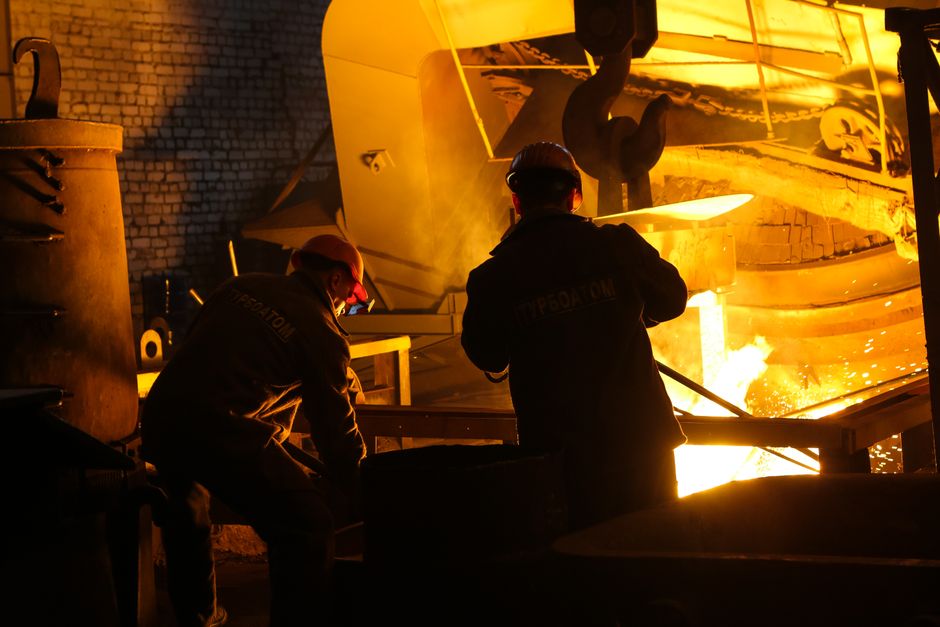
But the less obvious answer catches more employers off guard. Commercial kitchens. Laundries. Warehouses with metal roofs. Server rooms with poor ventilation. Bakeries. Factory floors with process heat. Workers in these environments can face temperatures well above 35 degrees Celsius even when it is only 22 degrees outside. Add physical work, add PPE that traps heat, and the body burden climbs fast.
Certain workers are more vulnerable regardless of environment. Workers over 55. Workers who are pregnant. Workers on certain medications, including some blood pressure drugs and antihistamines. Workers returning after illness. New workers who have not yet acclimatised. Your risk assessment needs to account for these groups specifically, not just the average healthy adult doing moderate work.
What a Real Heat Stress Plan Looks Like
This is where most employers' plans fall apart. A poster saying "stay hydrated" is not a plan.
A functional plan has four components.
Monitoring. You need to know when temperatures cross thresholds that require action. That means actual temperature readings in actual work areas, not a guess based on the weather forecast. A wireless thermometer costs less than a box of PPE.
Work modification. Schedule heavy physical work for cooler parts of the day. Rotate workers through high-heat tasks. Reduce work rate when temperatures exceed 28 degrees Celsius in physically demanding roles. These are operational decisions that need to be made before the hot day arrives, not during it.
Rest and hydration protocols. The guidance from occupational health bodies is 250ml of cool water every 15 to 20 minutes during heavy work in heat. That is not what most workers actually do. You need scheduled breaks in cool areas, not just permission to drink when thirsty. Thirst is a late indicator of dehydration, not an early warning.
Recognition and response. Every supervisor needs to recognise the symptoms of heat exhaustion: heavy sweating, weakness, cold or pale clammy skin, fast or weak pulse, nausea, fainting. And they need to know that heat stroke presents differently, with hot dry skin, rapid strong pulse, confusion and possible loss of consciousness. Heat stroke is a medical emergency. Someone in heat stroke needs an ambulance, not a glass of water and a sit-down.
The Acclimatisation Problem Nobody Talks About
Most heat incidents happen in the first hot days of summer, or when workers move from a cooler role to a hotter one. The reason is acclimatisation. The body takes 7 to 14 days to physiologically adapt to working in heat. During that window, a worker is significantly more vulnerable than they will be after two weeks on the same task.
The practical implication is that you cannot simply send workers who spent winter in an office out to a hot site on the first warm week of June and treat it as normal operations. A graduated exposure schedule for the first two weeks of high-heat conditions is a concrete, documented control measure. Very few employers have one.
Where the Legal Exposure Actually Lives
The HSA will not necessarily show up on a hot day. The risk lands differently. A worker gets heat stroke. They go to hospital. They or their family make a complaint or a claim. The investigation that follows will ask one question: what did the employer do to manage this foreseeable risk?
If the answer is nothing documented, no risk assessment, no heat policy, no supervisor training, the employer's position is very poor. When the temperature rises, your legal duty rises with it, and that duty has teeth. The 2005 Act allows for prosecution of individuals, not just companies. Directors and managers can be personally liable where they failed to act on a known risk.
The financial exposure matters too. Civil claims for occupational illness are routine. A worker who suffers lasting cardiovascular or neurological damage from heat stroke is not going to forget which employer put them in that situation.
The Audit You Should Do Before Next Summer
Pull your current safety statement. Search it for the word "heat." If you find nothing, or only a line about "maintaining reasonable temperatures," you have work to do. Write a heat stress risk assessment that identifies your specific high-risk roles and locations. Set temperature thresholds that trigger control measures. Train supervisors to recognise heat illness and respond. Document acclimatisation protocols for new and returning workers.
None of this is complicated. It just requires treating heat as the hazard it actually is.
Irish summers will keep breaking records. The workers who collapse under them will keep having the right to ask why their employer did not have a plan.