Every year, the Environmental Protection Agency publishes its Radioactivity in Food and the Environment report, and every year a handful of headlines do their worst with the word "radioactivity." People read it, picture Chernobyl, and wonder if the salmon is safe. The salmon is safe. Here is what the report actually shows.
What the RIFE Report Is
The RIFE report is a joint publication from the EPA and the Food Safety Authority of Ireland. It monitors radioactivity in Irish food, water, air, and soil. It has been running for decades. The whole point of it is surveillance: measure everything, detect any change early, publish the findings. It is not a warning document. It is a monitoring document.
The measurements it tracks include naturally occurring radioactive materials, fallout residues from past nuclear weapons testing, and traces from events like Chernobyl. It also watches for anything arriving from nuclear facilities in the UK and Europe, particularly Sellafield in Cumbria.
The consistent finding, year after year, is that radioactivity levels in Irish food and the environment remain well below any threshold of concern. That is not a reassuring spin. That is the data.
Where Your Actual Radiation Exposure Comes From
Most people's radiation dose does not come from food. It comes from radon.
Radon is a naturally occurring radioactive gas that seeps from rock and soil, particularly in granite-rich areas. It accumulates in poorly ventilated homes and is the second leading cause of lung cancer in Ireland after smoking. The EPA estimates it causes around 250 lung cancer deaths per year in this country. If you live in a high-radon area and have not tested your home, that is the radiation conversation worth having. You can read more about radon in Irish homes and what to do if your levels are elevated.
After radon, the other significant contributors to average Irish radiation exposure are medical procedures (X-rays, CT scans), cosmic radiation from flying, and natural background radiation from the earth itself. Food is a small fraction of the total picture.
What the RIFE Data Shows About Food
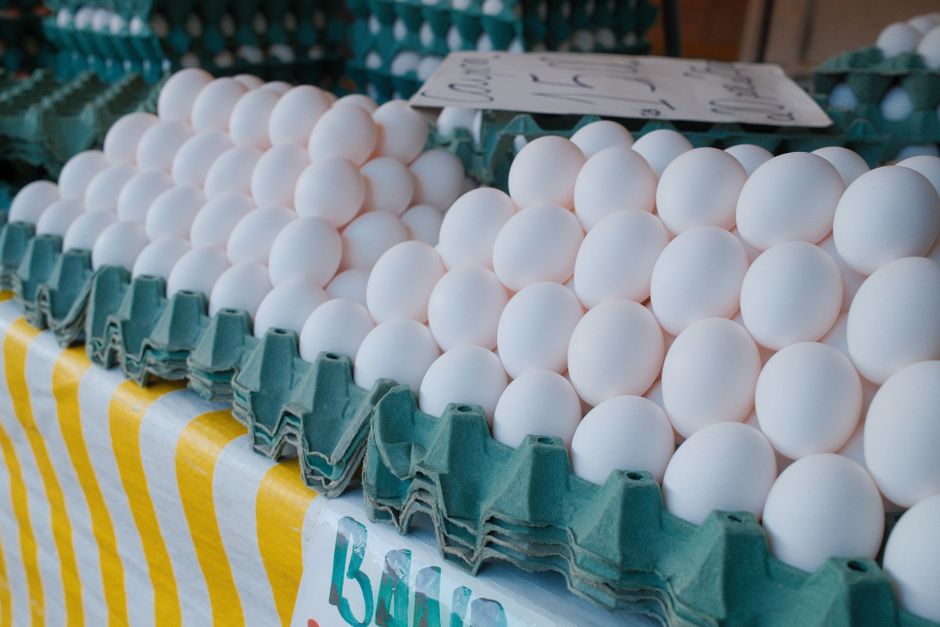
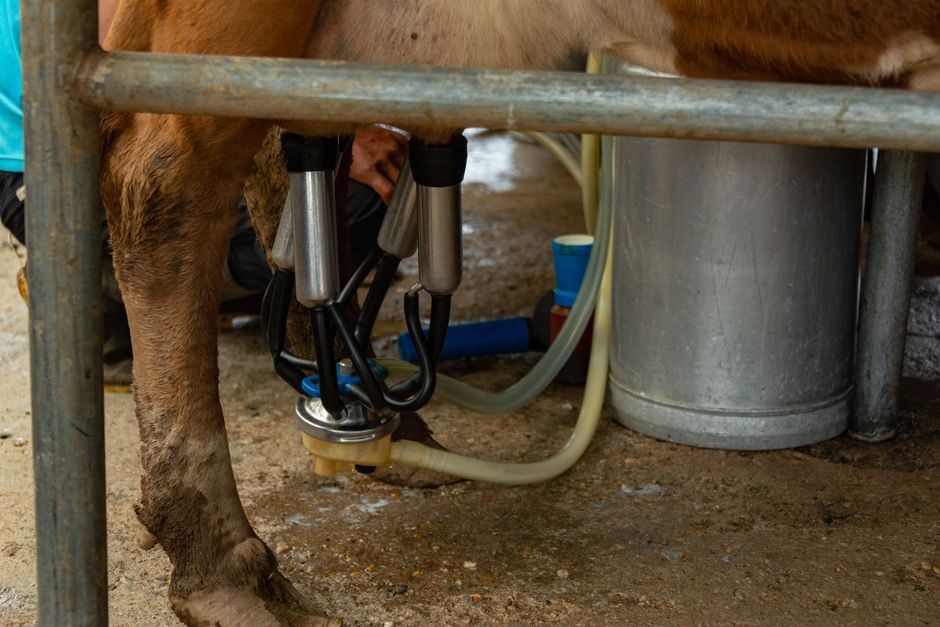
The report measures radioactivity in a wide range of foods: fish, shellfish, milk, meat, cereals, vegetables, and drinking water. It uses becquerels per kilogram or per litre as its unit.
Caesium-137, the isotope most associated with Chernobyl, is still detectable in some Irish food. Detectable is not the same as dangerous. The levels found are a tiny fraction of EU safety limits. Wild boar in some European countries still carries measurable caesium because they root through contaminated forest soil. Irish farmed meat does not have this problem.
Shellfish from around the Irish coast are tested specifically for radioactive discharges from Sellafield. Technetium-99 was a concern in the early 2000s when Sellafield's discharge levels were higher. Those discharges have since been reduced significantly. Current levels in Irish shellfish are low.
Drinking water across Ireland routinely comes in well below the radiological parametric values set under the European Communities (Drinking Water) Regulations.
The Units Matter More Than the Headlines
Part of the problem with public understanding of this topic is that becquerels sound alarming if you have never encountered them before. One becquerel is one radioactive decay per second. A banana contains around 15 becquerels of potassium-40, which is naturally radioactive. A litre of milk contains about 50 becquerels of potassium-40. The human body itself contains approximately 7,000 becquerels of potassium-40 at any given moment, plus several thousand more from carbon-14.
None of this is harming you. The question is never whether radioactivity is present. It is always about the dose and the type of radiation involved. The RIFE report measures both and compares them against established safety thresholds. The thresholds are set with significant safety margins built in.
Seafood, Seaweed, and the Questions People Actually Ask
Fish and shellfish get the most attention because Sellafield sits across the Irish Sea. The monitoring programme for Irish Sea seafood is extensive. RIFE tests plaice, cod, lobster, crab, mussels, and seaweed from multiple locations annually.
Seaweed is worth flagging because it concentrates some naturally occurring radionuclides. Brown seaweeds in particular can accumulate polonium-210, which is naturally present in seawater. The doses from eating typical amounts of seaweed are within normal dietary limits, but if someone is eating large quantities of dried seaweed products every day, that is worth knowing about. The key phrase is "large quantities daily." Occasional seaweed in your diet is not a radiological issue.
Wild freshwater fish from certain lakes and rivers in the west of Ireland show slightly elevated caesium-137 compared to farmed fish. Still within safe limits. Still worth knowing.
Do You Need to Change What You Eat?
No. The RIFE data does not support any dietary changes for the general Irish population. No food group, no region, no specific product comes close to triggering concern under current monitoring.
If you are pregnant, the advice is the same as it always is: eat a varied diet, limit high-mercury fish like swordfish and shark, follow standard food safety guidance. Radiological exposure from food is not on the list of things your midwife is worried about.
The System Is Actually Working
The RIFE programme exists precisely so that any deviation from normal would be caught early. The fact that it has been running for decades and the picture remains stable is not boring. It is exactly the outcome public health infrastructure is designed to produce.
If Sellafield had a significant release tomorrow, or if contamination appeared in the food chain from another source, this monitoring system would detect it and the FSAI would act. Ireland has protocols for that. They involve food restrictions, public advisories, and coordination with European food safety authorities. Those mechanisms are tested and functional.
The RIFE report is not a document about danger. It is proof that the surveillance is working and that nothing alarming is happening. Reading it that way does not make for compelling headlines, but it does make for an accurate picture of Irish food safety.
That is the job. And on this one, it is being done well.