A piece of paper that says "tested and certified" is not a food safety system. It is a snapshot from a warehouse somewhere else, taken months before your stock arrived.
Recent FSA guidance on nut imports has made something uncomfortable very plain: businesses across the food chain are relying on supplier paperwork as though it were a guarantee. It is not. Aflatoxin levels change during transit. Allergen contamination can be introduced at any point in a shared supply chain. And the gap between what a certificate says and what your shelves contain can be wide enough to hospitalise someone.
What the FSA Guidance Actually Says
The FSA's updated position on nut imports tightens expectations around both mycotoxin testing and allergen controls. The core message is not new, but the emphasis is sharper: testing at origin is not sufficient. Contamination is not static. Aflatoxins, the carcinogenic mould metabolites most commonly found in groundnuts, pistachios, almonds, and dried figs, can increase during long-haul shipping if moisture and temperature controls fail.
The guidance is also pointed about allergen management. Nuts are among the 14 major allergens requiring mandatory declaration under EU food labelling law. What the FSA is now flagging is that businesses are treating "declared on the label" as equivalent to "managed in the supply chain." These are entirely different things.
The Aflatoxin Problem Is Not an Origin Problem
Here is the mistake that keeps recurring. Businesses source nuts from certified suppliers in Turkey, Iran, the US, or West Africa, receive a certificate of analysis showing aflatoxin levels below the EU limit of 4 micrograms per kilogram for direct consumption, and file it. Done.
Except aflatoxins are produced by moulds, specifically Aspergillus flavus and Aspergillus parasiticus. These moulds do not stop working because someone issued a certificate. If the container was not kept dry, if condensation occurred during a temperature swing in the Atlantic, if the product sat in a port warehouse longer than planned, the contamination profile changes.
The EU maximum limit for total aflatoxins in nuts intended for direct human consumption is 4 micrograms per kilogram. For products requiring further processing, it is 10. The distinction matters because some importers apply processing-grade limits to stock that ends up sold retail. That is a compliance failure and, depending on exposure levels, a public health one.
Importing nuts into Ireland carries specific regulatory requirements that many businesses underestimate, particularly around documented testing at import rather than relying solely on certificates generated at origin.
The Allergen Gap Nobody Wants to Discuss
Aflatoxins get the headlines, but the allergen issue is arguably more operationally significant for most businesses.
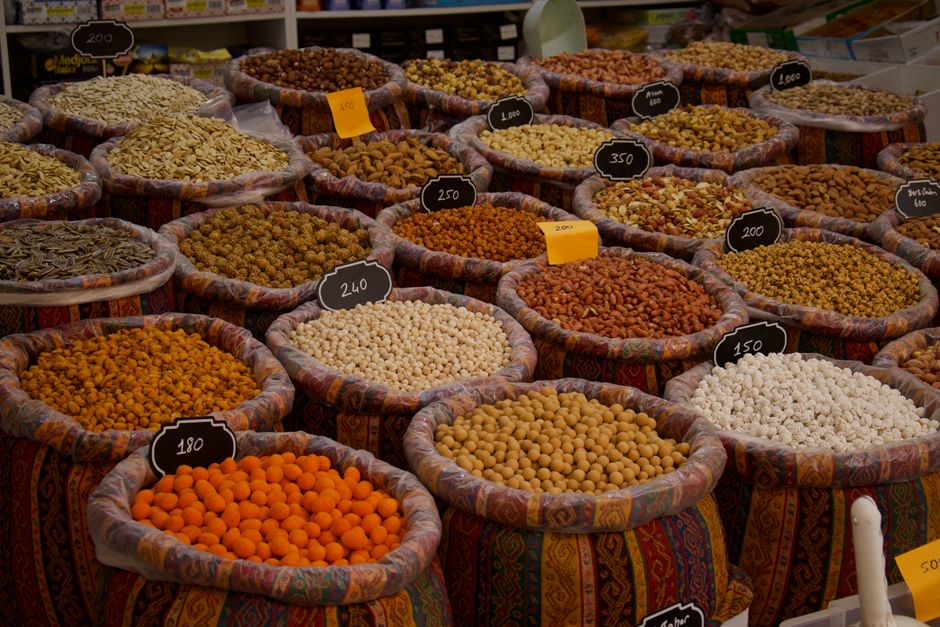
Undeclared allergens in nut products appear in FSAI recall notices with uncomfortable regularity. The common threads are cross-contamination during packing, mislabelled varieties, and commingling of different nut types during transport or storage. Cashews in a bag labelled as mixed nuts. Peanuts, technically a legume but treated as a nut allergen, turning up in products where they should not be.
The traceability requirement under Regulation (EC) 178/2002 is that you can identify where your food came from and where it went. One step back, one step forward. That is the legal minimum. It is not a system that would catch cross-contamination introduced at a transit hub you have never audited.
The FSA's recent guidance nudges businesses toward knowing more than the minimum. If your supplier uses shared packing lines, you need to know which other allergens run on those lines. If your freight agent consolidates loads, you need to know what else was in the container. If you use a third-party warehouse, you need to know their segregation procedures.
What Screening Actually Looks Like
A robust incoming goods check for nut imports involves more than receipt of documentation. It means:
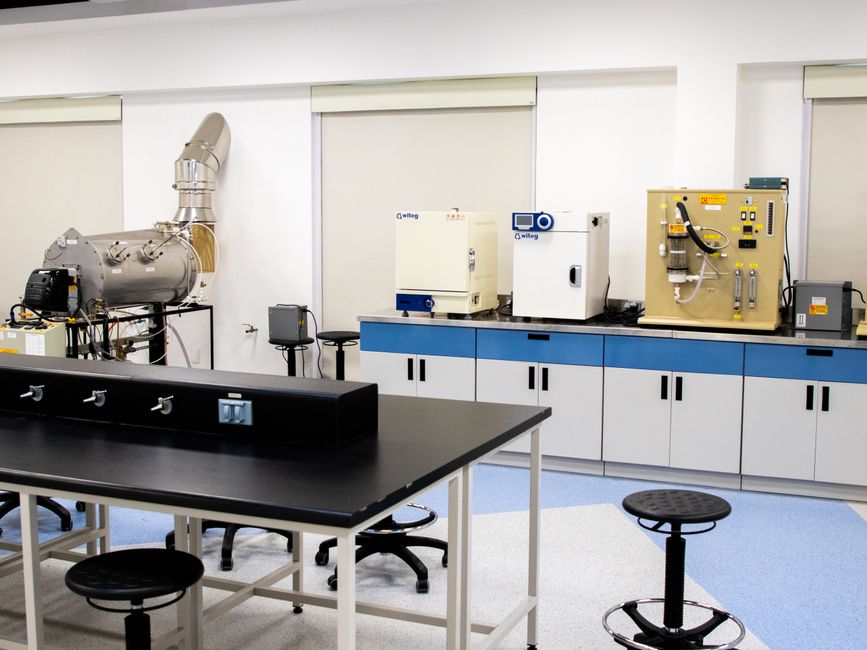
Testing at import. Aflatoxin testing on arrival, not just acceptance of origin test results. RASFF, the EU's Rapid Alert System for Food and Feed, regularly flags consignments that passed origin testing and failed on import. The gap is real.
Temperature and moisture logging. Aflatoxin risk correlates directly with storage conditions. A container that crossed the Atlantic without temperature logging is a container whose aflatoxin profile is unknown.
Supplier questionnaires that ask the right questions. Not "are you certified?" but "what other allergens are handled on your packing lines?", "what are your cleaning validation procedures between runs?", and "do you have documented evidence of those procedures?"
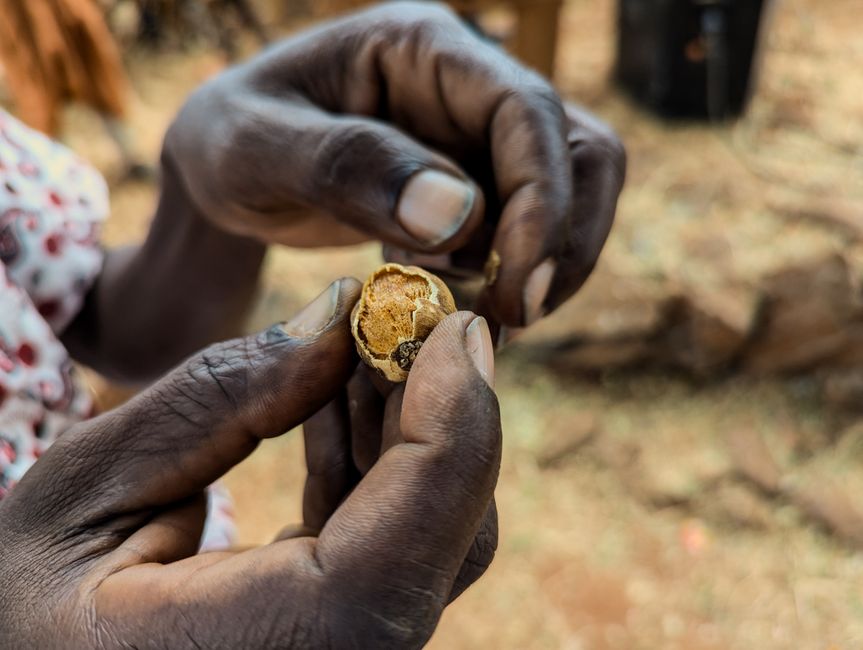
Traceability that reaches the farm level. For high-risk commodities, one-step-back traceability is not enough. The FSA has been consistent on this. Knowing your distributor is not the same as knowing the origin farm's drying practices, which is where most aflatoxin contamination begins.
Incoming allergen checks. Visual inspection, label verification against specification sheets, and batch reconciliation before product enters your storage.
Why Supplier Certifications Fail in Practice
Certification schemes for food safety, whether BRC, IFS, FSSC 22000, or GlobalG.A.P., are audited at a point in time. An annual audit covers a few days of operation. It cannot tell you what happened to your specific consignment on a specific voyage. It cannot tell you whether the packing line was properly cleaned before your product ran.
Certification also does not equal verification. A supplier can hold a valid BRC Grade A certificate and still have undeclared allergen risks if their customer specification requirements have changed since the last audit.
Food businesses that audit their own suppliers for safety compliance consistently find gaps that third-party certification missed. Not because the certification bodies are incompetent, but because no audit system is designed to substitute for active, ongoing supplier management.
The Regulatory Exposure for Irish Businesses
The FSAI has powers to issue closure orders, recall products, and prosecute under the Food Safety Authority of Ireland Act 1998. Placing unsafe food on the market, which includes food with aflatoxin levels above permitted limits or food with undeclared allergens, is a criminal offence.
A recall costs far more than testing. The reputational damage from a confirmed aflatoxin exceedance or an allergen-related hospitalisation is not recoverable with an apology notice on your website.
The FSA guidance is not a warning shot. It is a description of what good operators already do. The businesses that will face enforcement action are those treating supplier certification as the endpoint of their food safety system rather than the start.
Your certification file is not your defence. Your testing records, your supplier audit trail, your incoming goods documentation: those are your defence.
Check what is actually in the consignment. Not just what the paperwork says was in it when it left.