A trench collapse takes less time than it takes to say "get back." One cubic metre of soil weighs about 1.5 tonnes. A standard two-metre trench can bury a worker completely in under a second. After that, the clock starts, and most sites have no idea what to do with it.
The conversation about trench safety focuses almost entirely on prevention. Shore it up, slope it back, use trench boxes. All correct. All necessary. But prevention failed the moment someone is buried. What comes next is where sites are dangerously underprepared, not in equipment necessarily, but in knowledge. The pre-hospital window, those first ten to fifteen minutes before the ambulance arrives, is where survivors are made or lost.
What Soil Does to a Human Body
The pressure from a trench collapse is not like being pinned under a beam. It is uniform, circumferential, and relentless. Soil compresses the chest. Even partial burial from the waist down can restrict the diaphragm enough to prevent proper breathing. Full burial from the chest up, or burial of the thorax, can cause asphyxia within minutes regardless of any other injury.
Compounding this is crush syndrome, formally called traumatic rhabdomyolysis. When muscle tissue is compressed for more than 15 minutes, the cells begin to break down. When the pressure is released, those breakdown products flood the bloodstream. Myoglobin hits the kidneys. Potassium levels spike. The heart can go into arrest not from the original injury, but from what happens chemically in the minutes after rescue. This is the thing that kills people who walked out of collapses. Or seemed to.
The paradox of crush injury is that a person can appear stable, conscious, even talking, and then deteriorate catastrophically within 30 to 60 minutes of extrication. This is not a medical curiosity. It is the mechanism that makes pre-hospital decisions life-or-death decisions.
The First Response: What Not to Do
The instinct is to dig. Fast, urgent, hands and shovels. This instinct can kill the casualty.
Rapid uncoordinated excavation risks secondary collapse. It risks shifting the soil load suddenly rather than progressively, which can worsen spinal injury and trigger the abrupt release of compression that accelerates crush syndrome. Two to three extra minutes of careful excavation versus frantic digging can be the difference between a controlled extrication and a fatal secondary event.
The second instinct is to pull the person out the moment any part of them is accessible. Again: wrong. Pulling a partially buried casualty vertically by the arms or torso, before the full burial is cleared, can cause spinal damage and abrupt cardiovascular collapse from sudden decompression.
Supervisors need to know this before an incident. Not during one.
What Every Site Supervisor Should Know Before an Incident
Call early, stay on the line. Get 112 on the phone immediately, even before you know the full extent of burial. Give location, number of casualties, and depth of trench. Ambulance control can begin advising in real time. Every minute of warning they get is a minute of preparation at the hospital.
Stop non-essential digging. Designate one person to direct excavation. Slow and deliberate. Remove soil from the sides working down, not from directly above. Maintain voice contact with the buried worker throughout. Hearing a voice reduces panic and gives you information about consciousness.
Protect the airway as soon as the face is accessible. If the face is reached but the body is still buried, clear soil from the mouth and nose. Tilt nothing. Move nothing. Just clear the airway and keep it clear. If the person is unconscious and the face is accessible, jaw thrust only, no head tilt, until you know there is no spinal involvement.
Do not give fluids by mouth. It seems obvious written down. In a panicked situation with a conscious, distressed worker asking for water, it is harder than it sounds. Oral fluids can cause aspiration. IV fluids are what this person needs, and that requires a paramedic.
Monitor for deterioration after extrication. The moment the person is free and appears physically intact, the temptation is relief. Resist it. Crush syndrome can present with normal vital signs for 20 to 40 minutes post-extrication before the person crashes. Keep them flat, keep them warm, keep monitoring, and keep the ambulance coming at full priority even if the casualty seems fine.
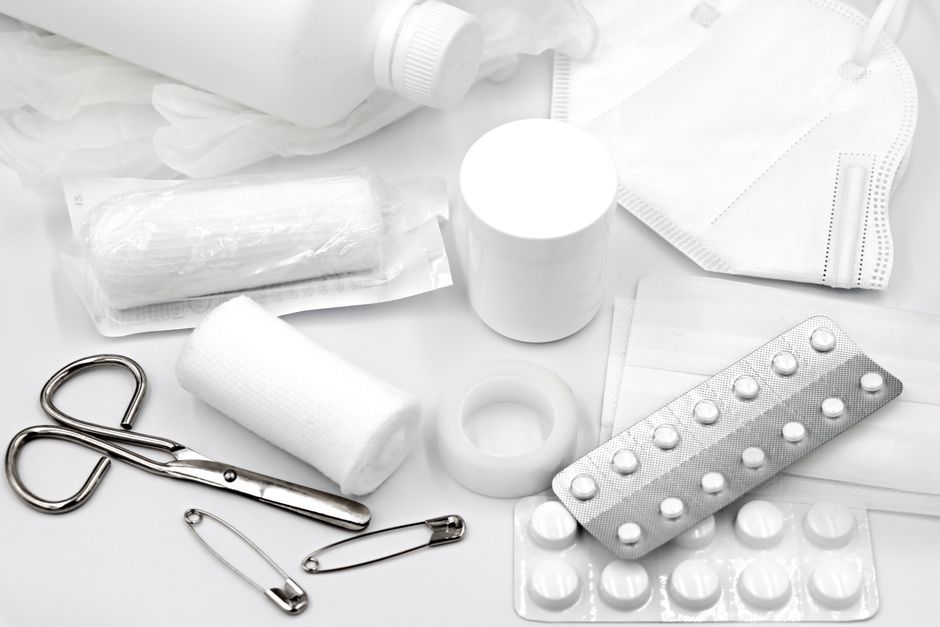
Treat for hypothermia. Buried soil is cold. Exposure plus shock drops core temperature fast. Space blankets in your first aid kit are not optional extras for trench work. They are essential.
The Spinal Question
Every trench collapse victim has a potential spinal injury until a hospital says otherwise. Soil loads are not predictable. The spine can sustain compression injury without immediate neurological symptoms. This means full spinal precautions from the point of extrication: minimal movement, neutral alignment, no unnecessary repositioning.
If the casualty is in cardiac arrest after extrication, CPR takes priority. You cannot resuscitate a paralysed person, and you cannot help a dead one.
What Your Emergency Response Plan Is Missing
Most sites have an emergency response plan. Most of those plans say "call 999, administer first aid, wait for paramedics." That is not a buried worker protocol. It is a placeholder.
A proper buried worker protocol names a designated excavation controller, specifies the equipment needed for controlled digging, identifies who calls the emergency services and who manages bystanders, includes crush injury awareness for the site first aider, and accounts for the post-extrication monitoring window. It also specifies the nearest hospital with trauma capability, because not all hospitals are equal when you have a crush injury patient inbound.
The pre-hospital care section of your plan should be reviewed by someone who has read the clinical guidance on traumatic rhabdomyolysis, not just the general first aid manual. The excavation collapse first aid response is a specific skill set, and it differs enough from general first aid that generic training will leave your team flat-footed.
The Turn
Prevention absolutely comes first. Trench boxes, sloping, shoring, no exceptions. But the sites that lose workers after a collapse are often not the ones that skipped the safety measures entirely. They are the ones that never trained for the moment when everything else failed.
Your team knows how to dig. Make sure they know what to do when the ground comes down.