A worker's sleeve catches a rotating shaft. In under two seconds, the arm is pulled in. You are the first person on scene. What you do right now matters more than anything the paramedics will do in 20 minutes.
Machinery entanglement is not like most workplace injuries. The mechanics are brutal and the window for good outcomes is narrow. Food production and manufacturing sites see the highest frequency, with conveyor systems and pillar drills accounting for a significant share of serious entrapment incidents reported to the HSA annually. The injury pattern is consistent: degloving, crush fractures, avulsion, and in severe cases, traumatic amputation. The first-aid response to these incidents is specific, learnable, and genuinely life-altering.
Most first-aid training covers lacerations and fractures. Almost none of it covers what to do when a person is still mechanically trapped. That gap kills people and costs limbs.
Stop the Machine First. Everything Else Second.
Your instinct will be to help the person. Override it. A running machine will continue to cause injury while you stand beside it. Find the emergency stop, the isolator, or the nearest power cutoff and use it immediately. Every second the machine runs with a person inside it extends the injury.
Do not attempt to reverse the machine to free the casualty unless you are trained to do that specific piece of equipment. Reversal can cause secondary tearing and can pull the casualty further in depending on the mechanism. Lock out the machine once stopped. Tagout if your site has that procedure. Nobody else touches the controls.
Call 999 now. Do not wait to assess the full injury first. Make the call, give your location, say "machinery entrapment with possible limb involvement," and keep the line open.
Do Not Pull the Casualty Free
This is the instruction people find hardest to follow. The casualty is in pain, they are frightened, and every instinct says get them out. Pulling a trapped limb causes further tissue damage, can dislodge bone fragments into vessels, and in degloving injuries creates catastrophic additional trauma. Leave extraction to someone who can see the full picture of how the limb is entrapped, which usually means the fire service.
Your job is to stabilise. Talk to the casualty. Keep them calm and conscious. Reassure them you have called for help and that help is coming.
Control Bleeding Without Moving the Limb
Entanglement injuries bleed heavily. Severe bleeding will not wait for the ambulance and you need to act on it immediately. Apply direct pressure to any accessible bleeding wound using the cleanest material available. If the wound is not accessible because the limb is still within the machine, you cannot treat it directly. Focus on any external wounds that are reachable.
If a limb has been partially or fully amputated and is free from the machine, apply firm direct pressure with a clean cloth or dressing. If bleeding is severe and uncontrolled from a free limb, a tourniquet applied 5 to 7 centimetres above the wound is appropriate. Note the exact time of application. Tell the paramedics immediately. Tourniquet time is critical information for surgical teams.
Do not remove a tourniquet once applied. Do not loosen it periodically. That advice belongs to an older era of training. Leave it in place.
Treat for Shock
Traumatic machinery injuries cause neurogenic and hypovolaemic shock. The signs are pale or grey skin, rapid shallow breathing, confusion, and loss of consciousness. Keep the casualty warm using a foil blanket or any available covering. Do not give them water or food. If they can be positioned lying flat without disturbing the trapped limb, do so. If the injury prevents that, leave them where they are and maintain warmth.
Talk to them constantly. Tell them their name, tell them you are with them, tell them the ambulance is on the way. Keeping someone conscious and oriented is active first aid, not just hand-holding.
If a Limb or Part Is Amputated and Separated
Wrap the amputated part in a clean damp cloth or sterile dressing. Place it in a sealed plastic bag. Put that bag in cold water or on ice. Never place tissue directly on ice. The goal is cooling without freezing. Label the bag with the time of separation if possible and give it to the paramedics immediately when they arrive. Reimplantation outcomes depend heavily on how the tissue is preserved in the first hour.
Crush injuries and amputations have specific downstream clinical implications that your actions in the first minutes directly influence. Surgical teams have better outcomes when first aid was done correctly.
Keep the Scene Clear
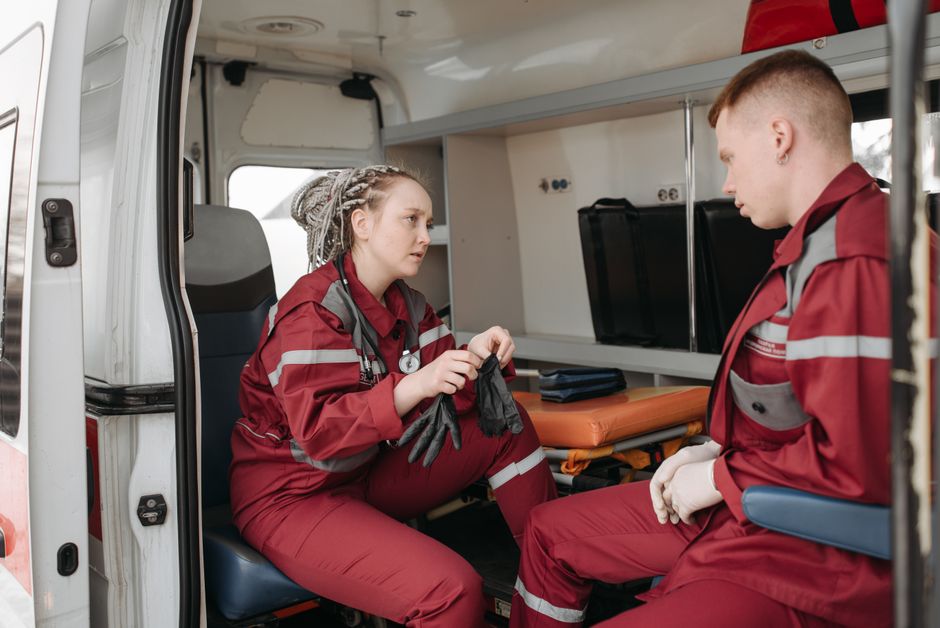
Bystanders make bad situations worse. One person manages the casualty. One person meets the ambulance at the site entrance and guides them in. Everyone else stays back. Crowding the scene increases distress for the casualty and slows the response.
Designate someone to begin the incident documentation process immediately. Time of incident, machine involved, how entrapment occurred, what first-aid steps were taken and when. This information is needed by the HSA, by the clinical team, and by your employer's insurance. It is also far more accurate written down at 14:07 than recalled at 16:30.
What Your Site Should Already Have in Place
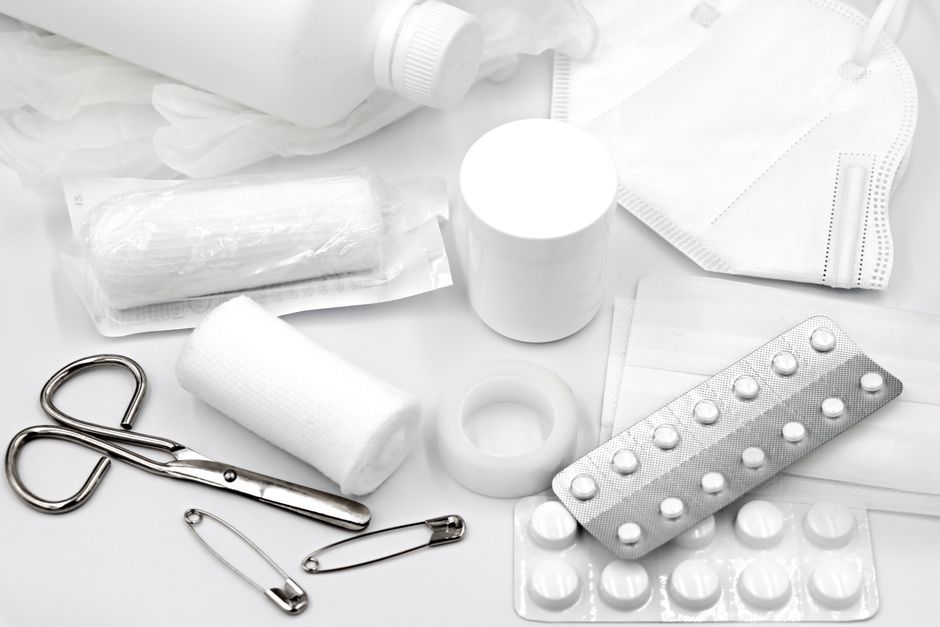
A first-aid response to entrapment only works if the infrastructure exists beforehand. Trained first aiders on every shift, not just the day shift. Emergency stop locations that all workers know without needing to read a sign. A site layout where emergency vehicles can reach the incident location within two minutes. Tourniquets and heavy-duty wound dressings in the kit, not just plasters and antiseptic wipes.
If your site cannot answer yes to all of those, the first-aid response to the next entrapment incident will be slower and worse than it needs to be.
The machine stopped the moment someone got caught in it. The injury was already done. What happens in the following minutes determines how much of that injury is permanent.
Know the steps before you need them. The conveyor does not care that you were not expecting it.